
Apprenticeship hiring payment: DWP offers £2,000 per young apprentice to non-levy employers
DWP will pay non-levy employers £2,000 for each eligible apprentice aged 16 to 24, in two halves through your training provider. Staff you already employ only count if they joined you no more than 90 days before their training starts.

You could get £2,000 towards employing your next eligible young apprentice if your business doesn’t pay the apprenticeship levy. The money can cover any costs related to their employment, including work equipment, travel or uniform.
The Department for Work and Pensions (DWP) announced the apprenticeship hiring payment on 1 October 2026. Under the 2026 to 2027 funding rules it covers apprentices whose practical training starts from 1 October 2026, and the earliest payment arrives in January 2027.
Who qualifies: new starters aged 16 to 24
For anyone hiring and training apprentices, the detail that decides it is the 90-day rule: your apprentice must have started working for you no more than 90 days before their training begins. So someone who’s been on your books for a year and starts an apprenticeship now won’t count.
The age test applies when training begins. Eligible apprentices are aged 16 to 24. A 15-year-old can also qualify if they turn 16 between the last Friday of June and 31 August. That covers school leavers starting construction apprenticeships straight after their exams.
The test for your business is simple: you mustn’t pay the apprenticeship levy. DWP says that’s usually small and medium-sized businesses. The notice sets no headcount threshold.
The apprenticeship hiring payment comes through your provider

You don’t need to apply. Eligible apprentices will be identified when they start training, and your training provider will pass the payment on to you. For once, the paperwork is someone else’s job.
DWP splits the money into two instalments:
- First £1,000: 90 days after the apprenticeship starts.
- Second £1,000: one year after the apprenticeship starts, or after 242 days for a foundation apprenticeship.
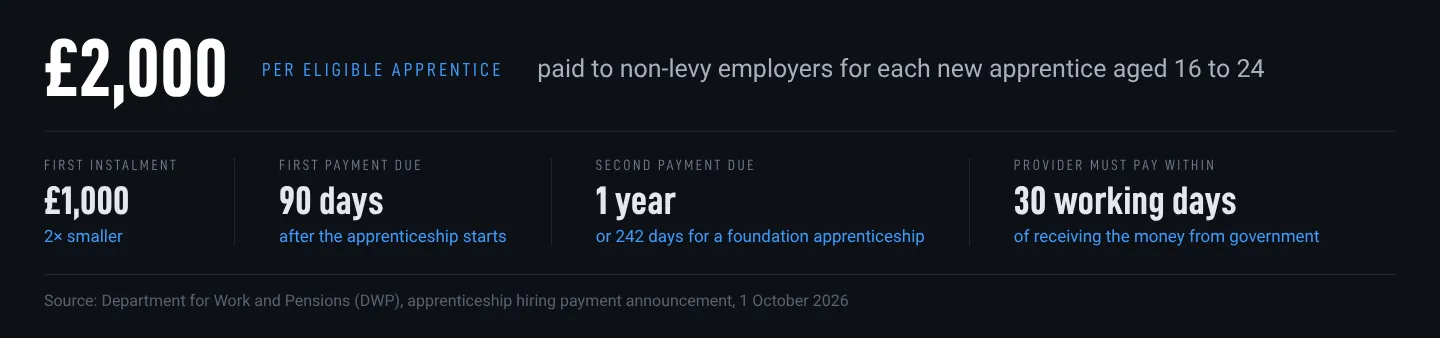
Your apprentice must still be employed by you when each payment is due.
Don’t expect the money on day 90. Your provider has up to 30 working days to pass it on once the government pays them, and DWP doesn’t say how quickly it pays the provider after each milestone. None of it arrives when the apprentice does, so budget for the first months without it.
If your apprentice is on a shorter course that isn’t a foundation apprenticeship, DWP’s own wording disagrees on when the second £1,000 is due. Check with your provider.
Where the £8,000 figure comes from
Craig Beaumont, Executive Director of the Federation of Small Businesses (FSB), said the funding “can be stacked with other support worth up to £6,000, so could form a substantive package of up to £8,000 per apprentice”.
That £8,000 is the FSB’s sum. DWP quotes it but doesn’t list which other government funding for construction training stacks with this payment, so treat £2,000 as the number you can count on.
DWP hasn’t yet said which UK nations the payment covers, or from what date a start counts. Your training provider should know before you do, so ask them when you book the course.

Trade resources for tradespeople, straight to your inbox.
Occasionally we will send you a newsletter. Free, unsubscribe in one click.
Keep reading
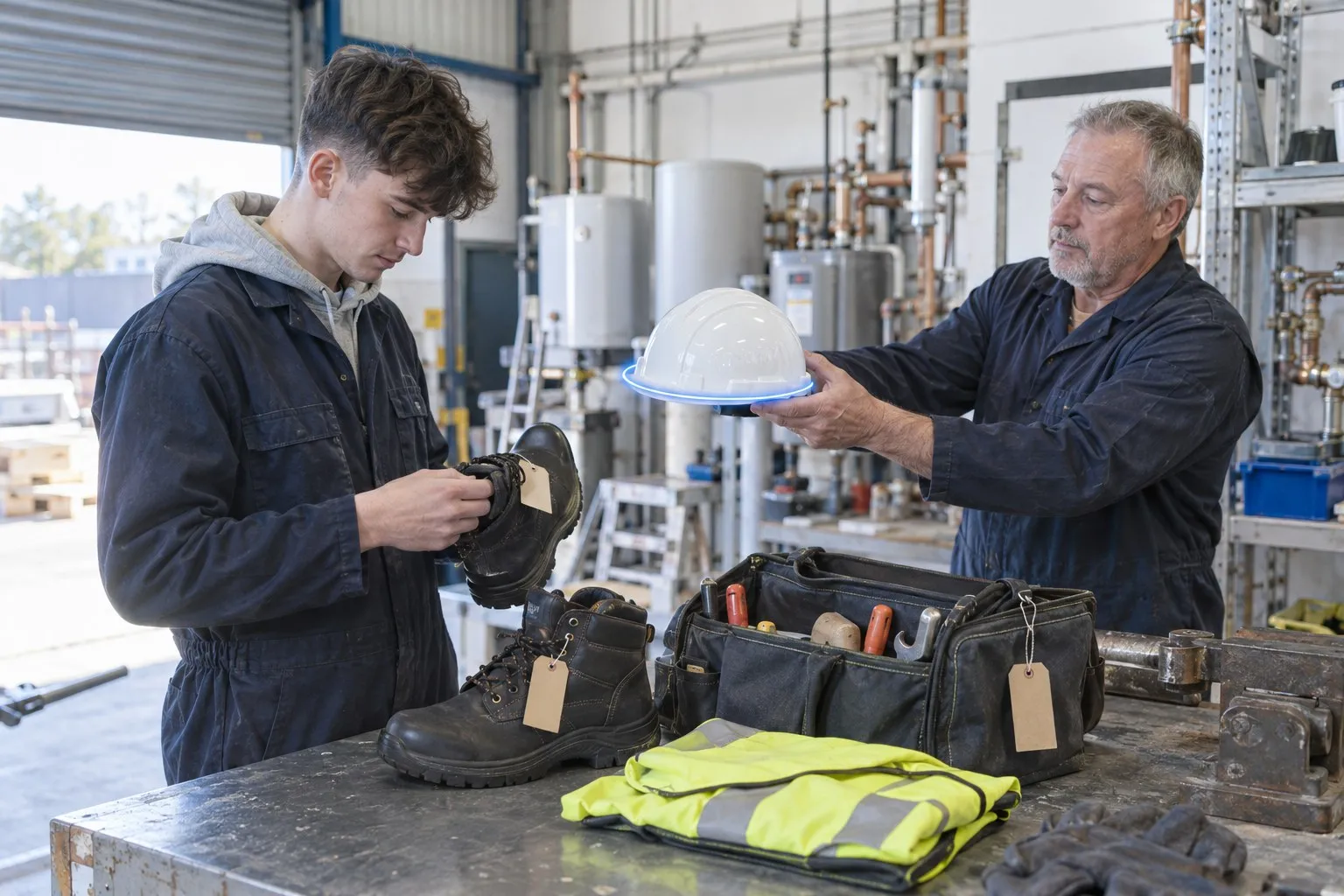
Construction bursary scheme: Band of Builders launches BoB Bursary for tools, PPE and workwear
Help with tools, PPE and workwear for people starting out in the trade, Electrical Contracting News reports. Students at three colleges get it first. Amounts, eligibility rules and dates aren't out yet, and nothing says a business can apply for its apprentice.

Specialist Upskilling Fund: CITB picks who will back training for your trade
CITB has picked one organisation per specialism, from roofing and dry lining to heritage and tunnelling, to support specialist training and NVQs. Courses, costs and start dates are still to be published.
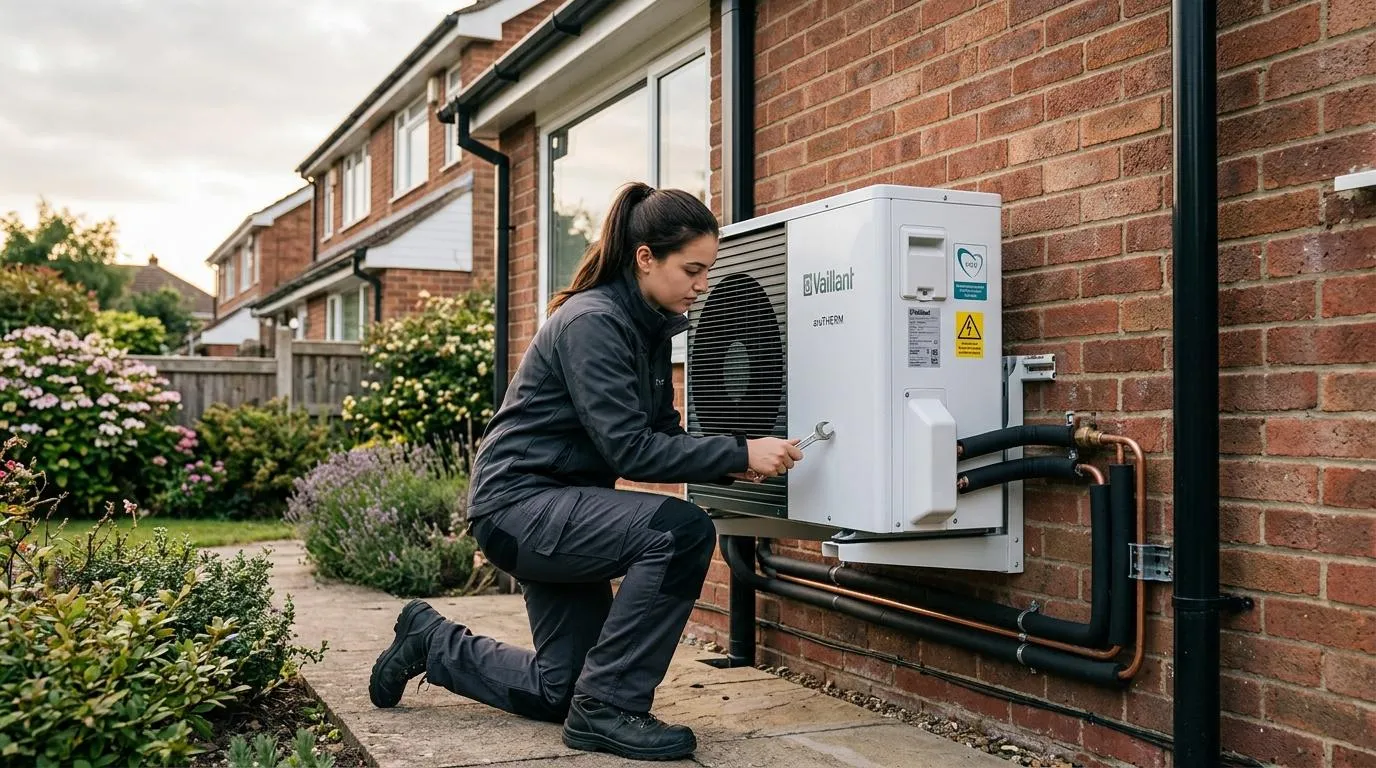
UK's First Dedicated Heat Pump Apprenticeship Launches: The Low-Carbon Heating Technician
A 36-month Level 3 apprenticeship dedicated to heat pump and low-carbon heating installation, with a £22,000 funding band per apprentice. The first proper structured route into the renewables workforce.