
Awaab's Law electrical deadlines start 30 November: what social landlords will ask of contractors
ECN says that from 30 November significant electrical hazards in social homes in England get fixed deadlines. The duty is the landlord's, but ECN expects them to ask their contractors to keep up.
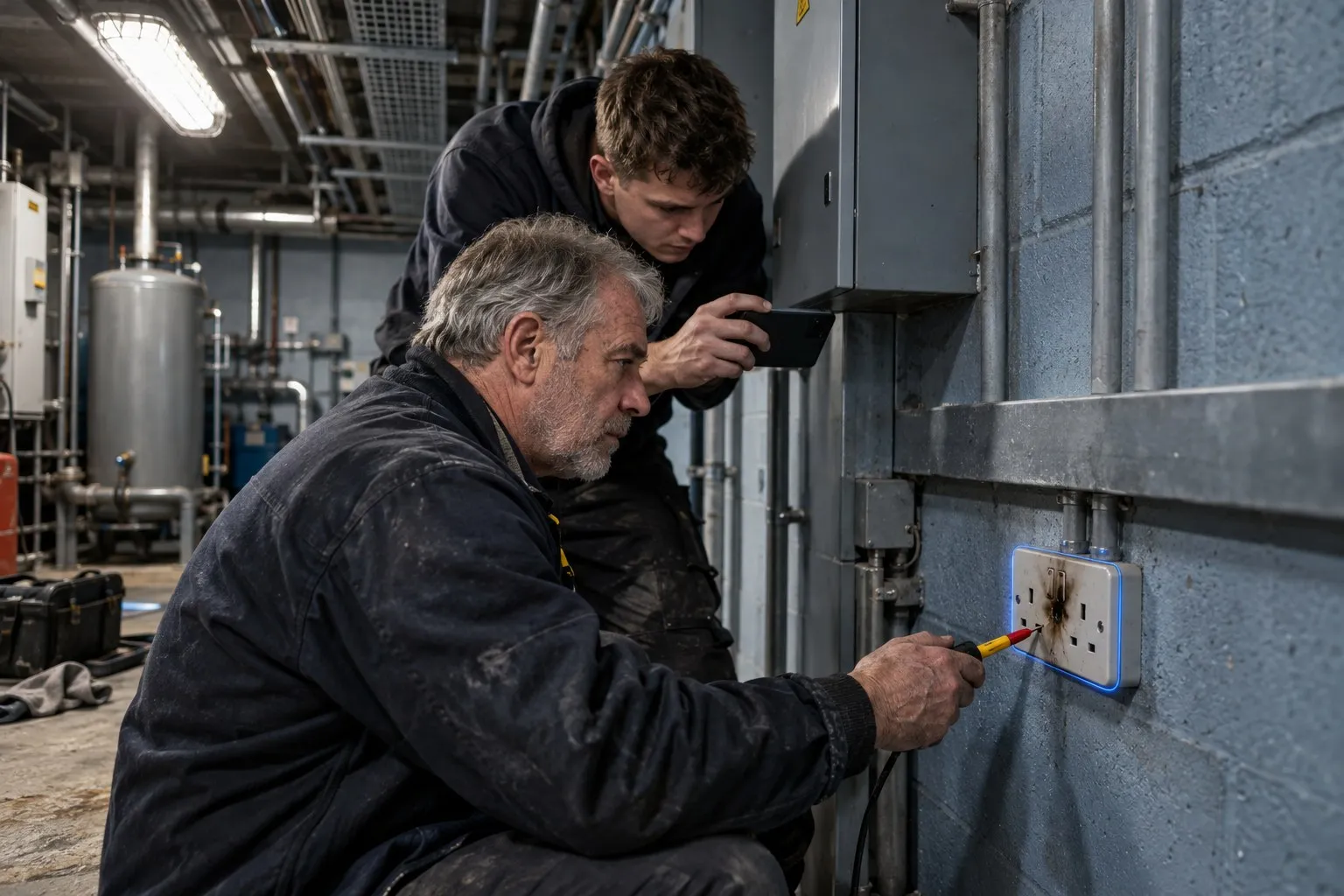
10 working days to investigate a potential significant electrical hazard: that’s the Awaab’s Law electrical deadline Electrical Contracting News says social landlords in England will face from 30 November 2026. If you do their electrical repairs, a lot of that clock is your diary.
The Ministry of Housing, Communities and Local Government confirms the date: the amendment regulations come into force on 30 November 2026, and its guidance applies from then.
ECN puts the duties on social landlords, who remain responsible for their contractors and are advised to review contracts. If you’re running the business that holds those contracts, that review is where your response times get set. The work should be done by a qualified, competent electrician, ECN says, and installation work must meet the current BS 7671 requirements.
Private landlords aren’t covered by this change. Extending it to them needs separate regulations and has no confirmed start date, Electrical Contracting News says, and it puts the close of the Awaab’s Law private renters consultation at 18 December 2026.
Awaab’s Law electrical deadlines will cover significant hazards
Emergencies such as exposed wiring have been covered since Phase 1 began on 27 October 2025, Electrical Contracting News says. What’s new is the tier below: significant electrical hazards.
The guidance covers unsafe installations and fixed equipment, including defective sockets, switches, consumer units and light fittings, ECN says. Appliances that aren’t part of the building are out of scope.
EICR codes help triage, but ECN says they aren’t the test. It describes the guidance’s own example: a pregnant tenant with a toddler, an EICR with several C3 observations, no surge protection and an older consumer unit. That counts as a significant hazard. A C3 on a consumer unit with nobody vulnerable involved is out of scope.
The deadlines keep running after the investigation
For emergencies, Electrical Contracting News describes the 24 hours as time to investigate and make the home safe.
Once the investigation ends, the landlord has three working days to give the tenant a written summary and five working days to finish the safety work, ECN says.
Preventative work must begin within five working days or, if it can’t start sooner, within 12 weeks at the latest, according to Electrical Contracting News. That is a start date, not a finishing date.
Tenants can take legal action for breach of contract if their landlord fails to comply, ECN adds.
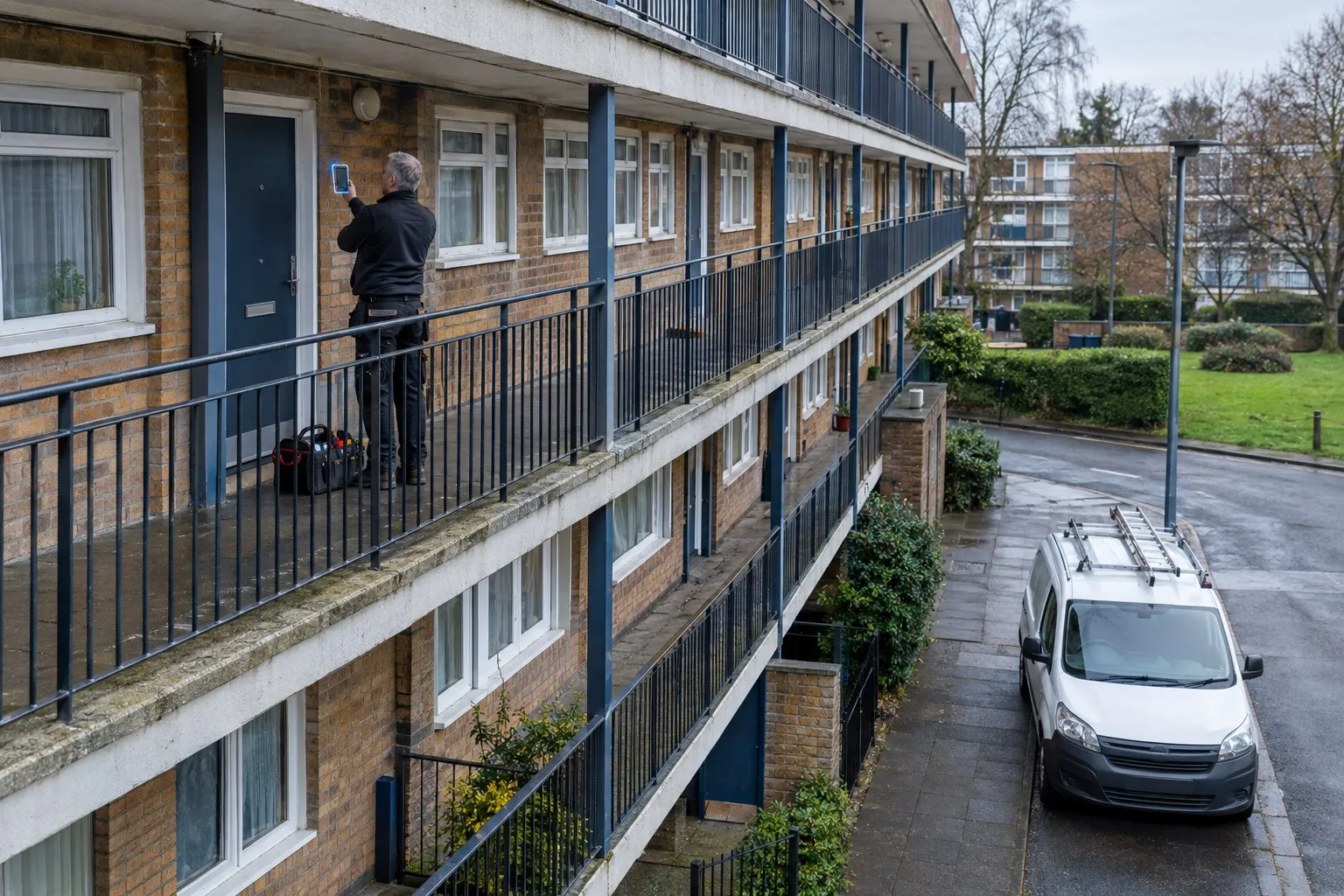
Your contract needs an attendance time and a reporting time
The written summary is the landlord’s job, but they can only write it from what your electrician sends back. ECN expects housing clients to ask contractors for faster response times, prompt findings for those summaries and reports of any other hazards spotted on site.
It also advises keeping records, including photographs and access attempts, so the landlord can show it did what was reasonable. A visit where nobody answers still needs a record.
ECN does not say whether landlords can pass tenant claims on to contractors.
Before 30 November, ask each housing client two things: how fast they now need your electrician on site, and how fast they need the write-up.

Trade resources for tradespeople, straight to your inbox.
Occasionally we will send you a newsletter. Free, unsubscribe in one click.
Keep reading
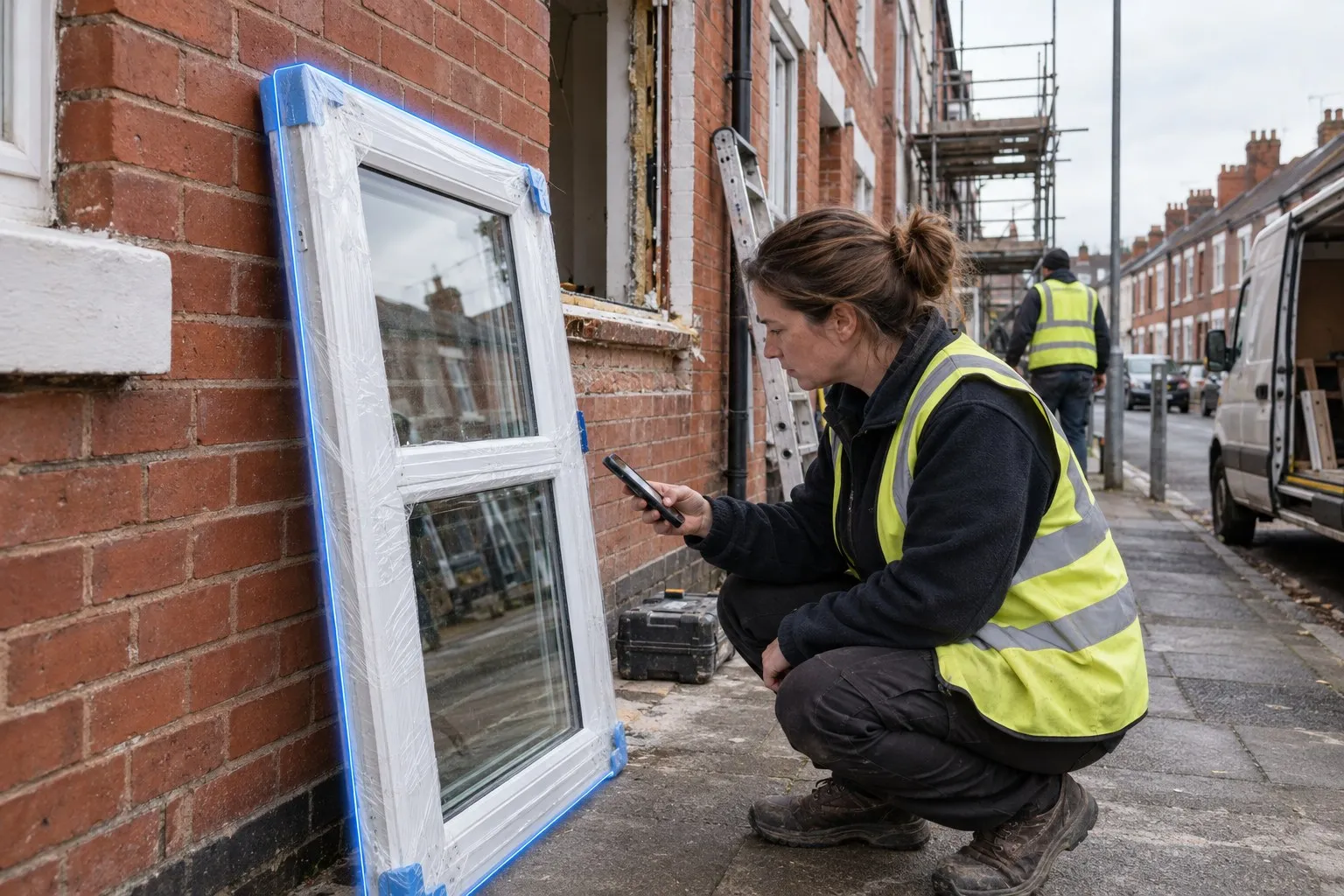
Retrofit framework: NEPO's £500m deal has up to 12 places per specialist lot, Construction Enquirer reports
NEPO's four-year deal replaces its existing retrofit framework, Construction Enquirer reports. Bids close at noon on 18 January 2027, and Construction Enquirer says winners pay NEPO a 1% rebate on the work they get through it.

Self Assessment scam warning: HMRC logs 1,704 reports, and its refund advice doesn't agree
HMRC logged 1,704 Self Assessment scam reports in 12 months, around 900 of them from one fake refund email. Its own pages disagree on refund messages, so check on GOV.UK before you click.

Face to face banking will be protected by law: small businesses included, no start date yet
The government will legislate to protect essential in-person banking, and small businesses are named in the commitment. There's no start date yet, and no list of which services on your business account will count.