
Awaab's Law private renters: consultation opens, no start date for repair deadlines
MHCLG wants private landlords in England held to legal deadlines for damp and mould repairs. How long they would get, and from when, is still to be decided. The consultation closes on 18 December 2026.
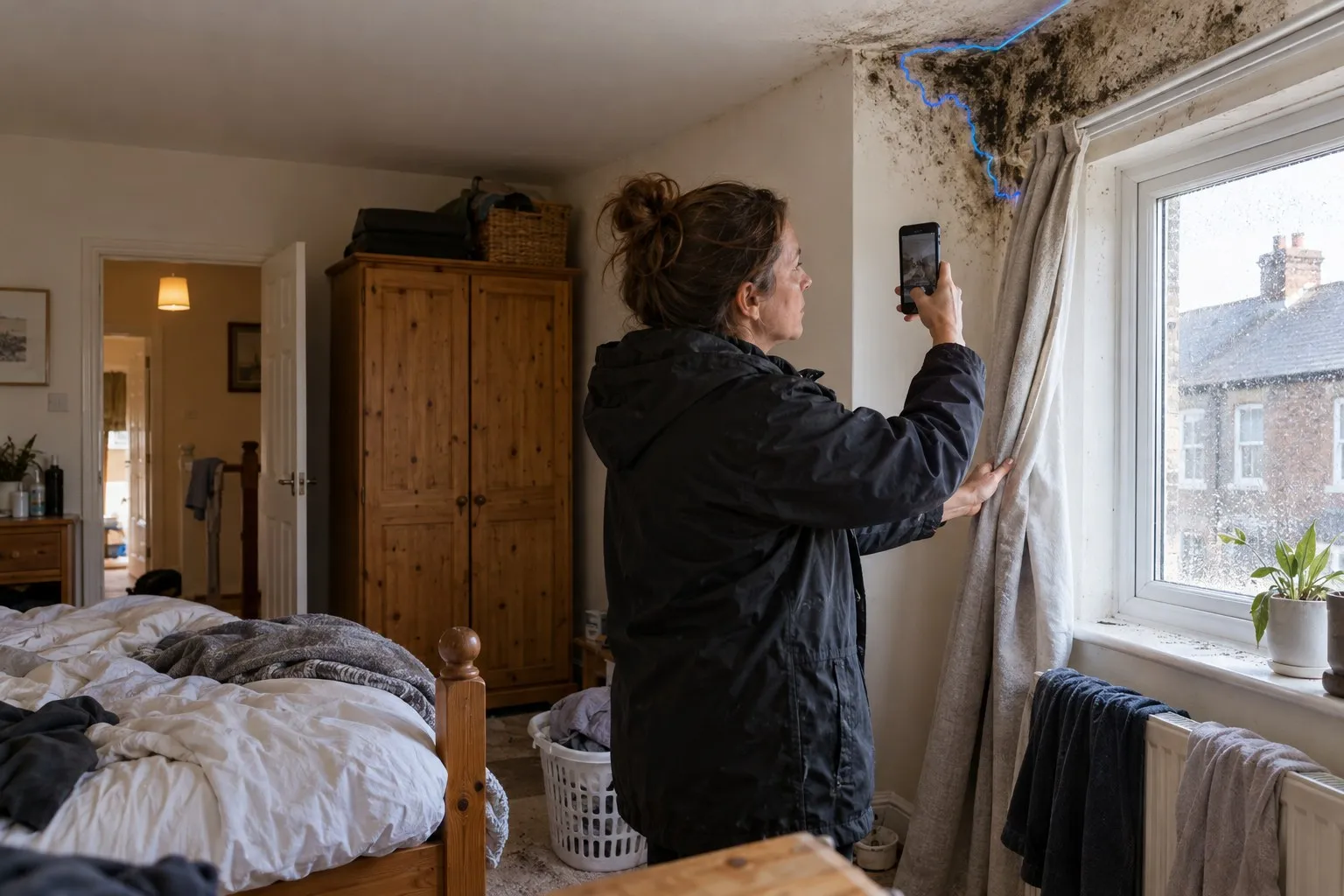
Council and housing association landlords in England have been working to legal deadlines on severe damp and mould since 31 October 2025. The government now wants private landlords held to the same kind of deadlines, and the Awaab’s Law private renters consultation, announced by the Ministry of Housing, Communities and Local Government (MHCLG) on 8 October 2026, is how it plans to get there. It closes on 18 December 2026. No start date has been set.
“We’re now moving to extend it to private landlords so that England’s 11 million private renters can enjoy the same protections,” Housing Minister Matthew Pennycook said.
Awaab’s Law puts the duty on landlords, not on repair businesses
The deadlines would sit with the landlord, whose desk already has Making Tax Digital for landlords on it. You would feel them in the job: a landlord with a legal clock running wants the repair booked, and finished, inside it. If you are running the business side of repair work, that is the change to plan around. The announcement sets out nothing new for the contractors landlords hire. Complaints about your own work are the subject of a separate TrustMark consultation on customer complaints.
For a repair you are asked to do now, the existing rule still applies. MHCLG says landlords must already act on hazards found to be significant and seriously threatening tenants’ health and safety.
More homes could come under the same deadlines
Private lets are not the only homes on the table. MHCLG is also looking at temporary accommodation for homeless people and families, homes for young people leaving care, and supported housing, where many older, disabled and other vulnerable people live. Across the whole extension, it says more than 5 million further households could benefit, taking coverage from 4 million to around 9 million homes. Which of those housing types make the final cut is still open.

If some of your callouts are for temporary accommodation, care leavers’ flats or supported housing, those jobs sit inside the consultation too, alongside your private landlord work.
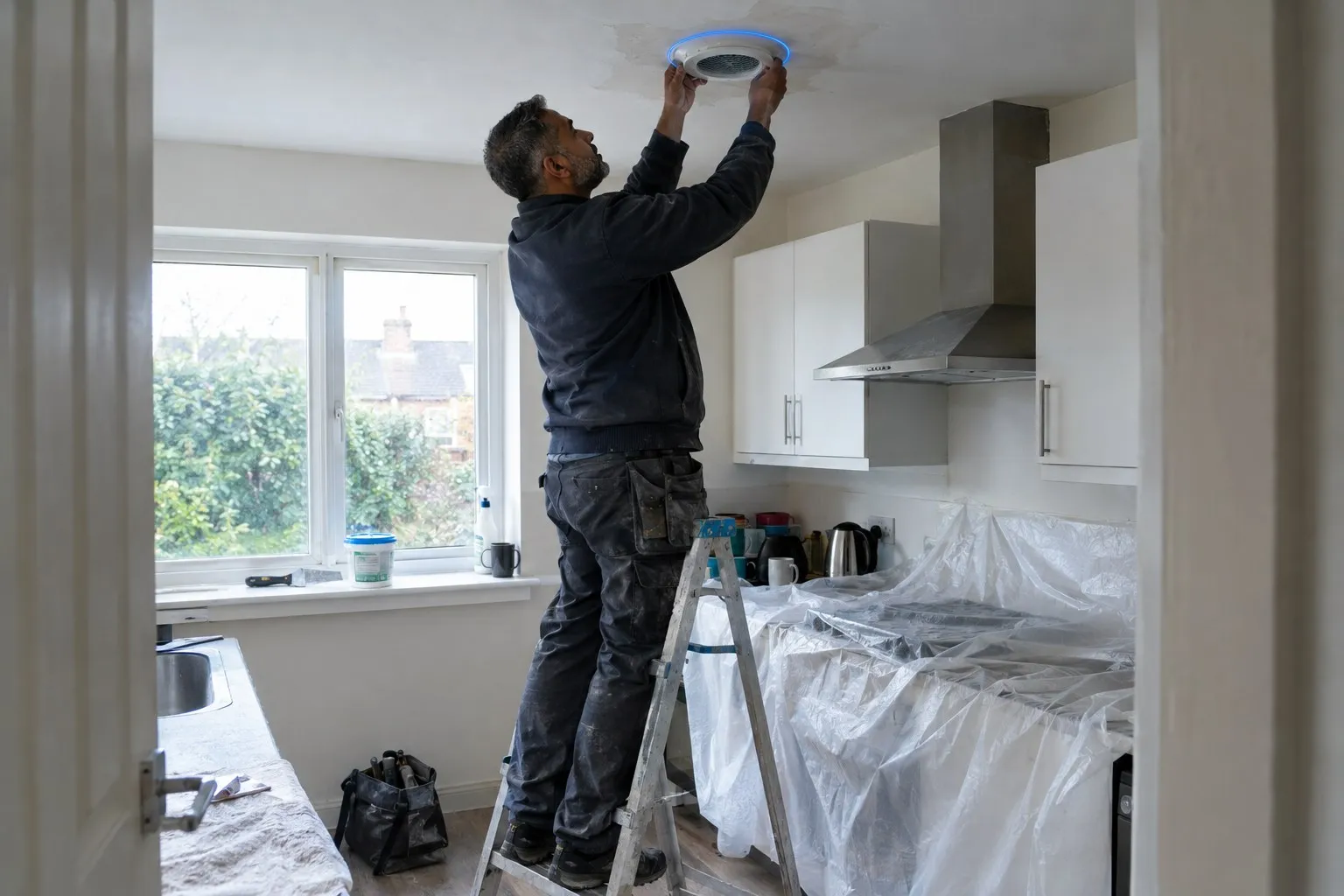
No time limits or start date yet for private rented homes
Two things aren’t decided yet: how long landlords would get to investigate and fix a problem, and when the rules would start. Severe damp and mould are the examples MHCLG gives; it has not set out a full list of hazards for private homes. An options assessment of the potential impacts is published alongside the consultation, and MHCLG is asking for more evidence on them.
Social housing shows how a rollout can run in stages. After phase 1 on severe damp and mould, phase 2 is due on 30 November 2026, subject to parliamentary approval, adding electrical hazards, excess cold and falls. A final phase follows in 2027. Those are social housing dates, and they don’t set the timetable for your private landlord jobs.
If you already fix damp for a housing association, you know what a legal deadline does to a callout. Private landlords could be next: the consultation closes on 18 December 2026, and the start date comes after it.

Trade resources for tradespeople, straight to your inbox.
Occasionally we will send you a newsletter. Free, unsubscribe in one click.
Keep reading
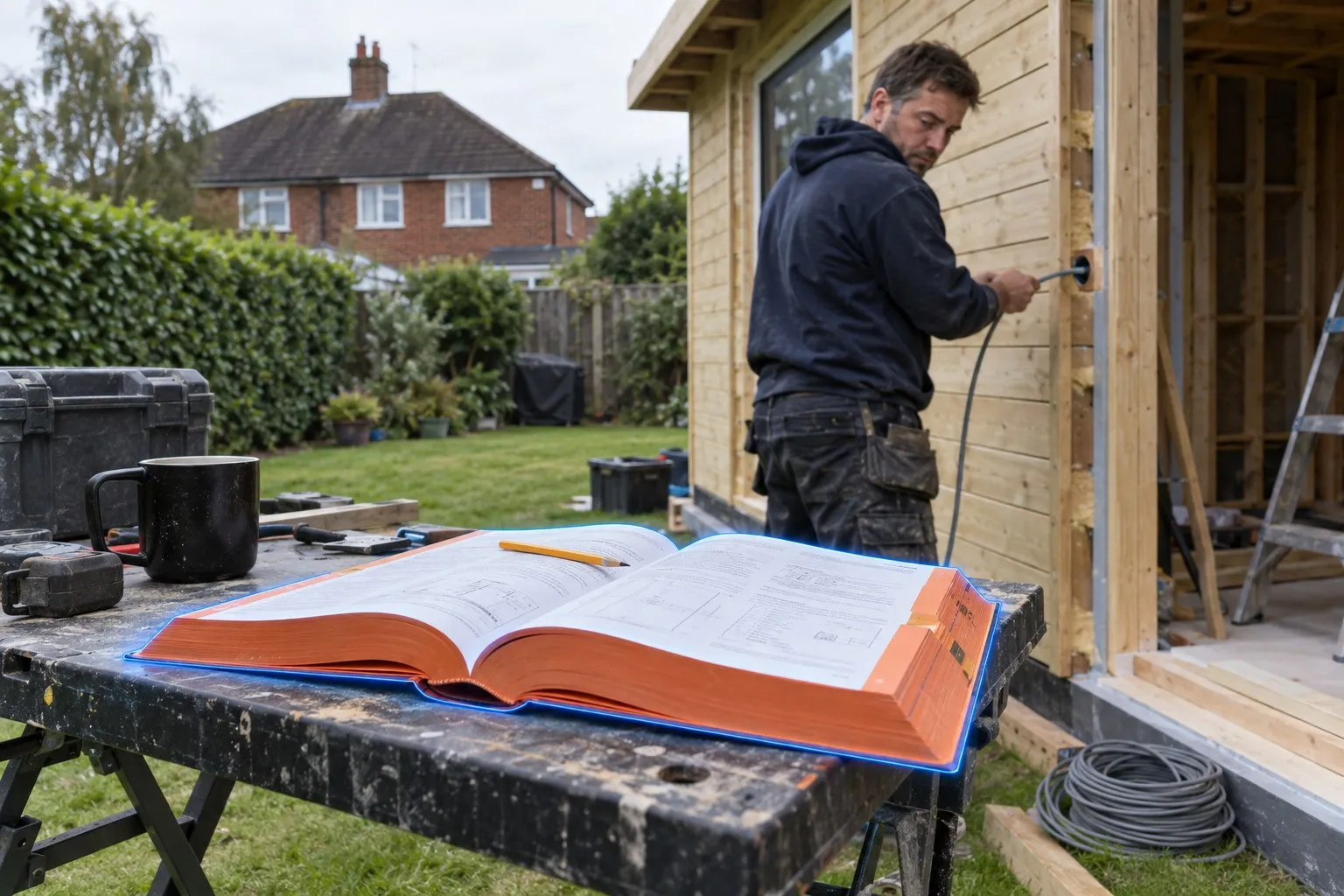
BS 7671 Amendment 4 is now the only current version: live jobs depend on the contract, ECN reports
From 15 October, new installations must follow BS 7671 Amendment 4, Electrical Contracting News reports. Citing SELECT, it says a job designed to the old version may be finished to it if the contract allows. Of the forms, the EICR changes most.
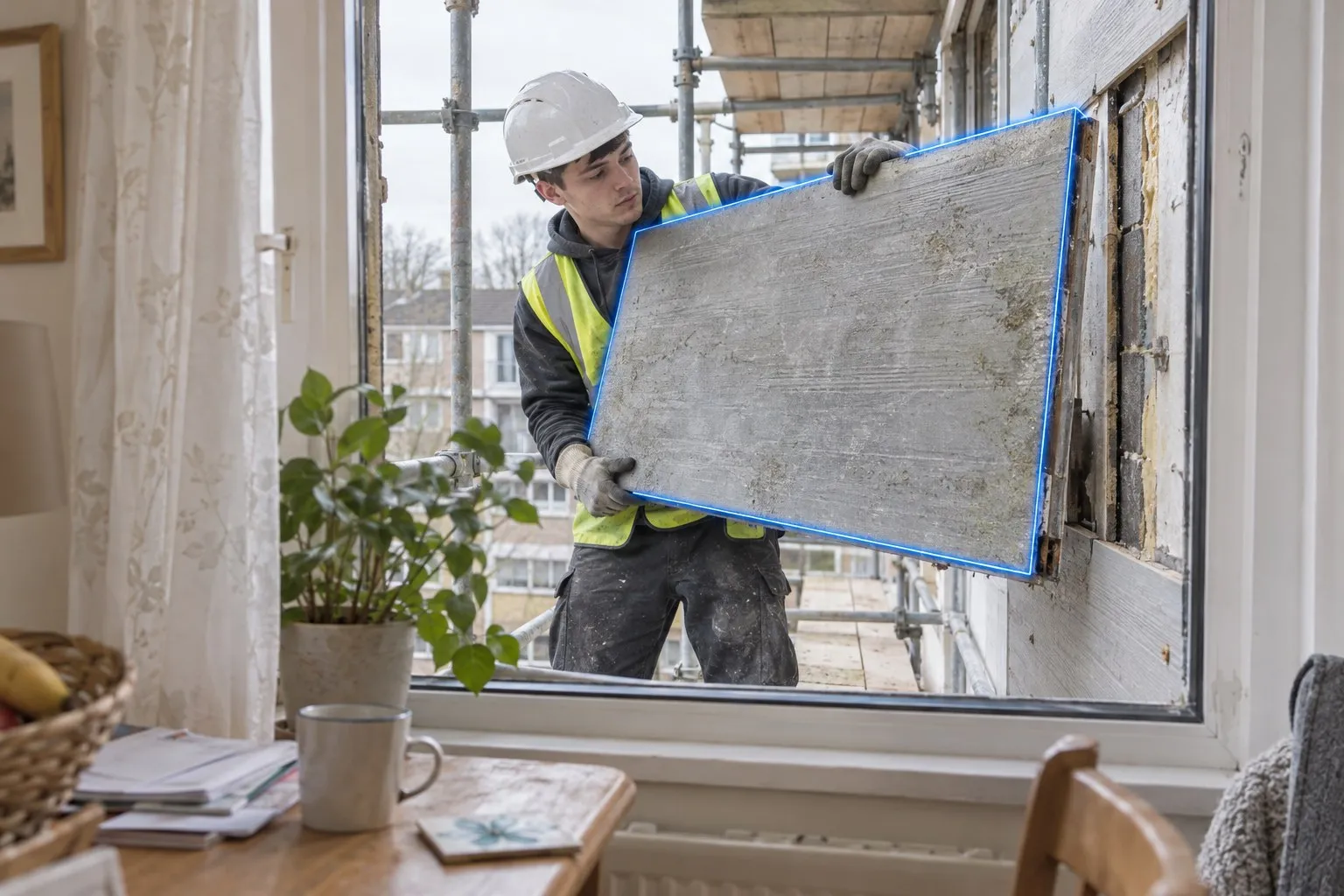
Cladding remediation bill reaches Parliament: contractors who paid could chase the manufacturer
A bill introduced on 14 October would make freeholders and others responsible for building safety fix unsafe cladding without delay, with fines of up to £500,000 for ignoring a Remediation Order. Contractors who have already paid for the work would get a simpler claim against the manufacturer.

Right to work subcontractors: the self-employed you bring in can now count as your hire
The Home Office guide now covers individual subcontractors you bring in for a customer's job, and can make you liable for labour another business supplies. What protects you depends on who holds which contract.