
BS 7671 Amendment 4 is now the only current version: live jobs depend on the contract, ECN reports
From 15 October, new installations must follow BS 7671 Amendment 4, Electrical Contracting News reports. Citing SELECT, it says a job designed to the old version may be finished to it if the contract allows. Of the forms, the EICR changes most.
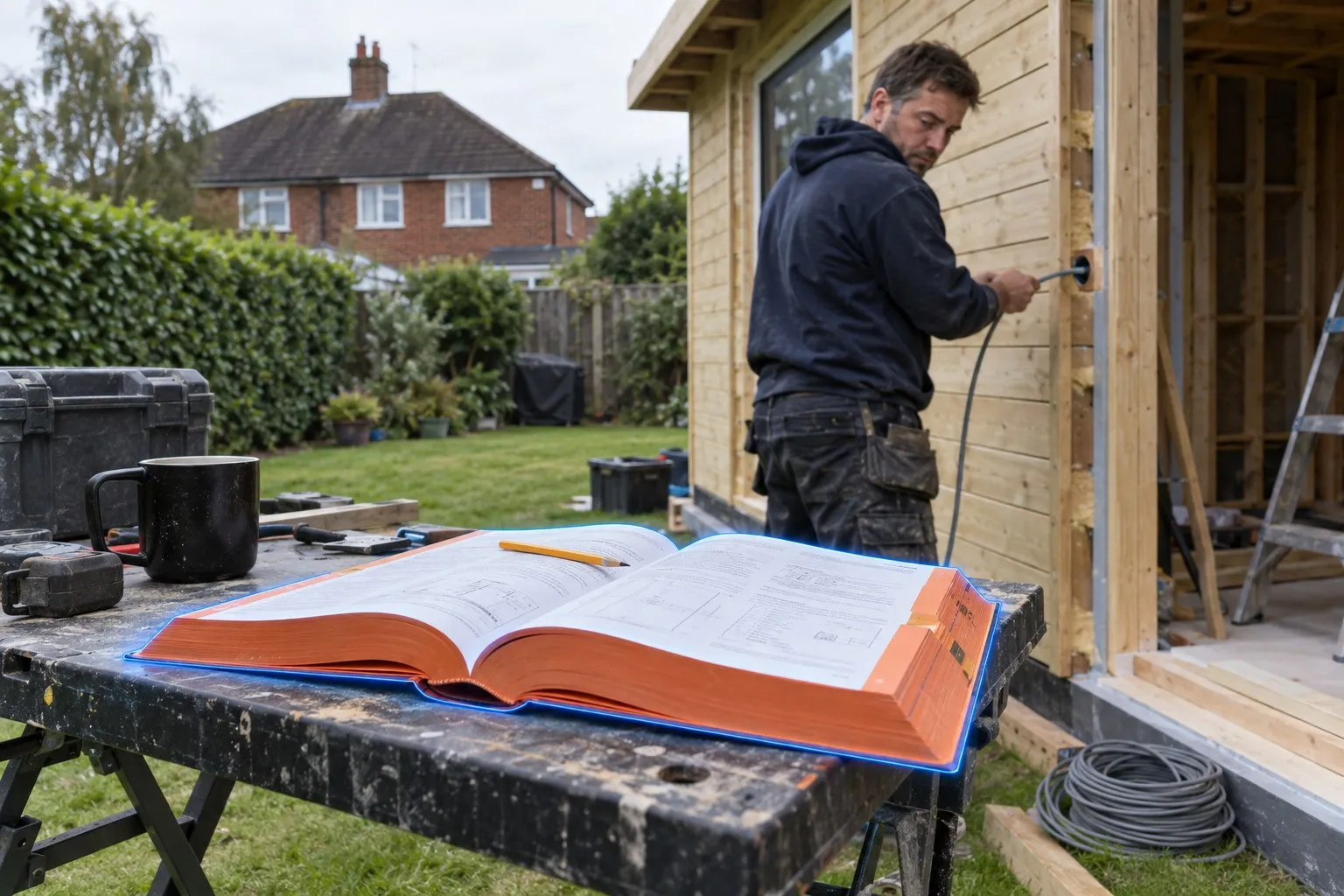
BS 7671 Amendment 4 became the only current version of the Wiring Regulations on 15 October 2026, Electrical Contracting News reports. Electrical Contracting News says the previous version, BS 7671:2018+A2:2022+A3:2024, has been withdrawn as a British Standard, and that any new installation from that date must comply with Amendment 4, which was published in April.
Jobs already under way depend on the contract
The line that matters is between new work and jobs already on site. ECN, citing the trade body SELECT, says an installation under construction that was designed to the previous version may continue and be verified to it, subject to the contractual arrangements agreed.
So two things decide it: what the job was designed to, and what the contract says. ECN advises checking which version your live contracts and specifications refer to. Where a project is a grey area, it says to check with your client, designer or trade body, and get any decision in writing. If you belong to a scheme such as NICEIC or NAPIT, that is one place to ask. It makes contract wording a running the business question, not only a technical one.
ECN does not say whether the withdrawal changes any legal duty, and the advice above comes from the trade press, not from legislation.
BS 7671 Amendment 4 forms: the EICR changes most
Electrical Contracting News reports a new requirement for EICRs to be based on the revised model in Appendix 6. It describes the EICR changes as major, with minor changes to the EIC and MEIWC forms.
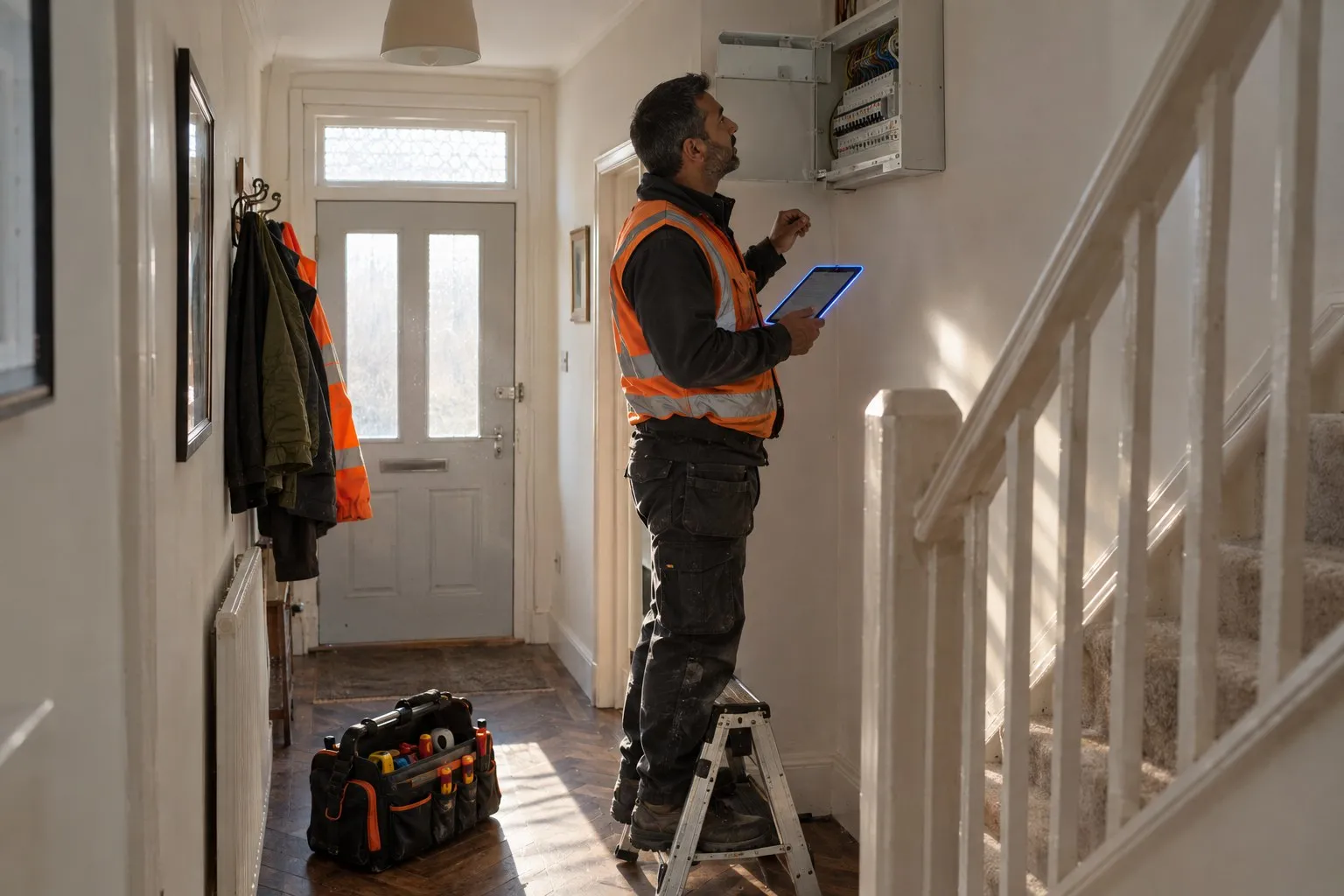
That’s the paperwork your electricians fill in and hand to the customer. If your EICR template predates Amendment 4, ECN’s advice is to update it. If you fill in certificates in software, check it has moved to the new forms.
ECN’s list of what to do now covers designs, certificates and report templates. It also says to get a copy of the new book, which you’ll know by its orange cover, and to brief your team before the next job starts.
New sections for batteries, PoE and ICT earthing
A new Chapter 57 covers stationary secondary batteries, with more than 18 new regulations, Electrical Contracting News reports.
For Power over Ethernet, a new Section 716 limits SELV and PELV supplies to 60 V ripple-free DC in dry locations and 15 V elsewhere, according to Electrical Contracting News.
A new Section 545 covers functional earthing and bonding for ICT equipment, and Section 710 on medical locations has been significantly revised, Electrical Contracting News says. ECN lists the areas, not the detail: your designers will need the book itself for those. Other guidance is already written against the new edition: BEAMA’s guide on cable support fire safety is pitched at the Amendment 4 version, Electrical Times reported.
And if a customer asks whether their wiring is now out of date: ECN says an installation built to an earlier version is unlikely to comply fully with the latest one, but that doesn’t make it unsafe or mean it must be upgraded.

Trade resources for tradespeople, straight to your inbox.
Occasionally we will send you a newsletter. Free, unsubscribe in one click.
Keep reading

The petrol prices Google Maps now shows: is the cheaper pump worth the detour?
Petrol and diesel prices now sit next to forecourts on Google Maps, in the app your drivers already use for directions. Handy for picking a fuel stop; whether the detour pays is still your call.
Making Tax Digital drops to £30,000 of gross income from April 2027
From 6 April 2027, sole traders and landlords with more than £30,000 of qualifying income keep digital records and send HMRC quarterly updates. The £30,000 is counted before expenses, with trade and rental income added together.
Cable support fire safety: BEAMA's free guide on cables that drop in a fire
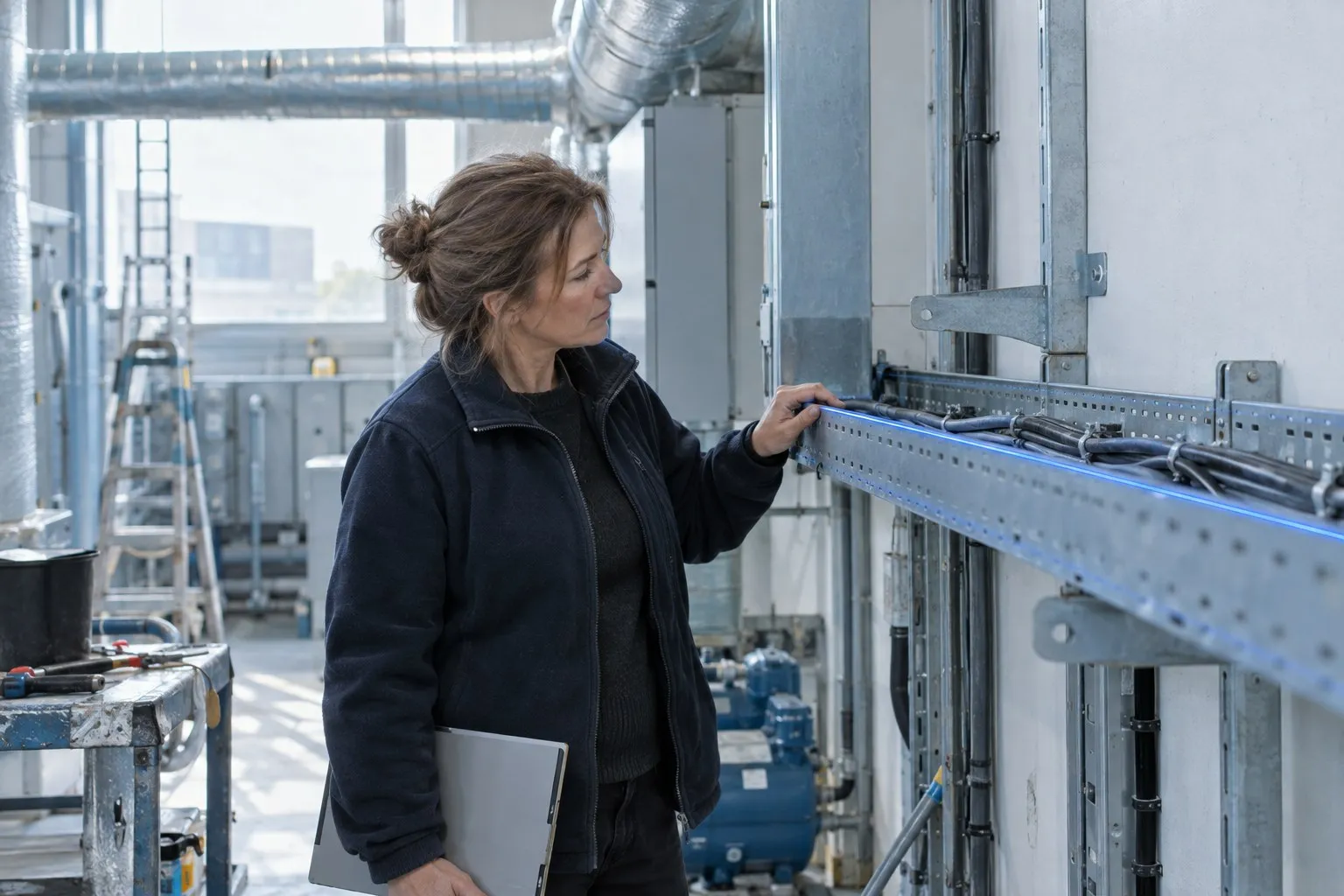
Electrical Times reports that BEAMA has put out a free guide and technical specification on cable support and containment, aimed at stopping wiring collapsing early in a fire. It is a reference for your electrical team, not a rulebook.