
Making Tax Digital drops to £30,000 of gross income from April 2027
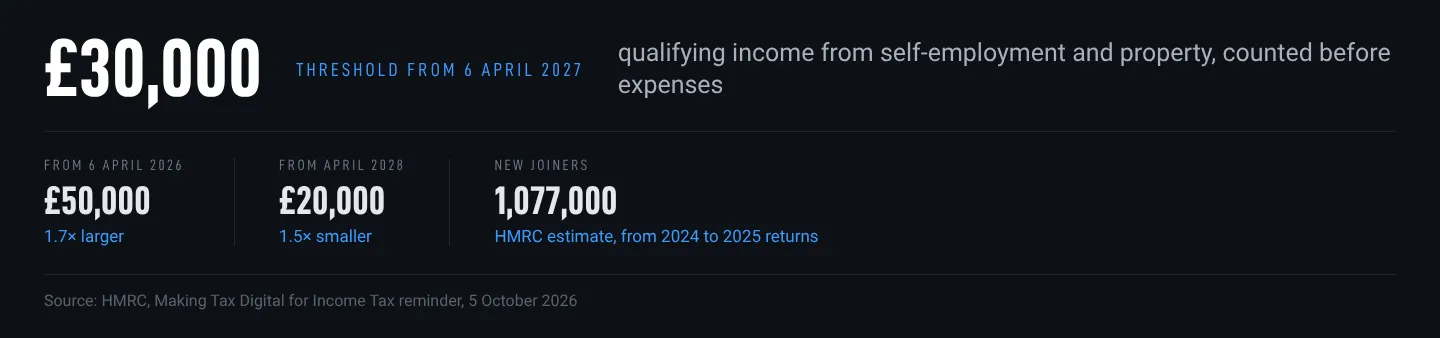
From 6 April 2027, sole traders and landlords with more than £30,000 of qualifying income keep digital records and send HMRC quarterly updates. The £30,000 is counted before expenses, with trade and rental income added together.
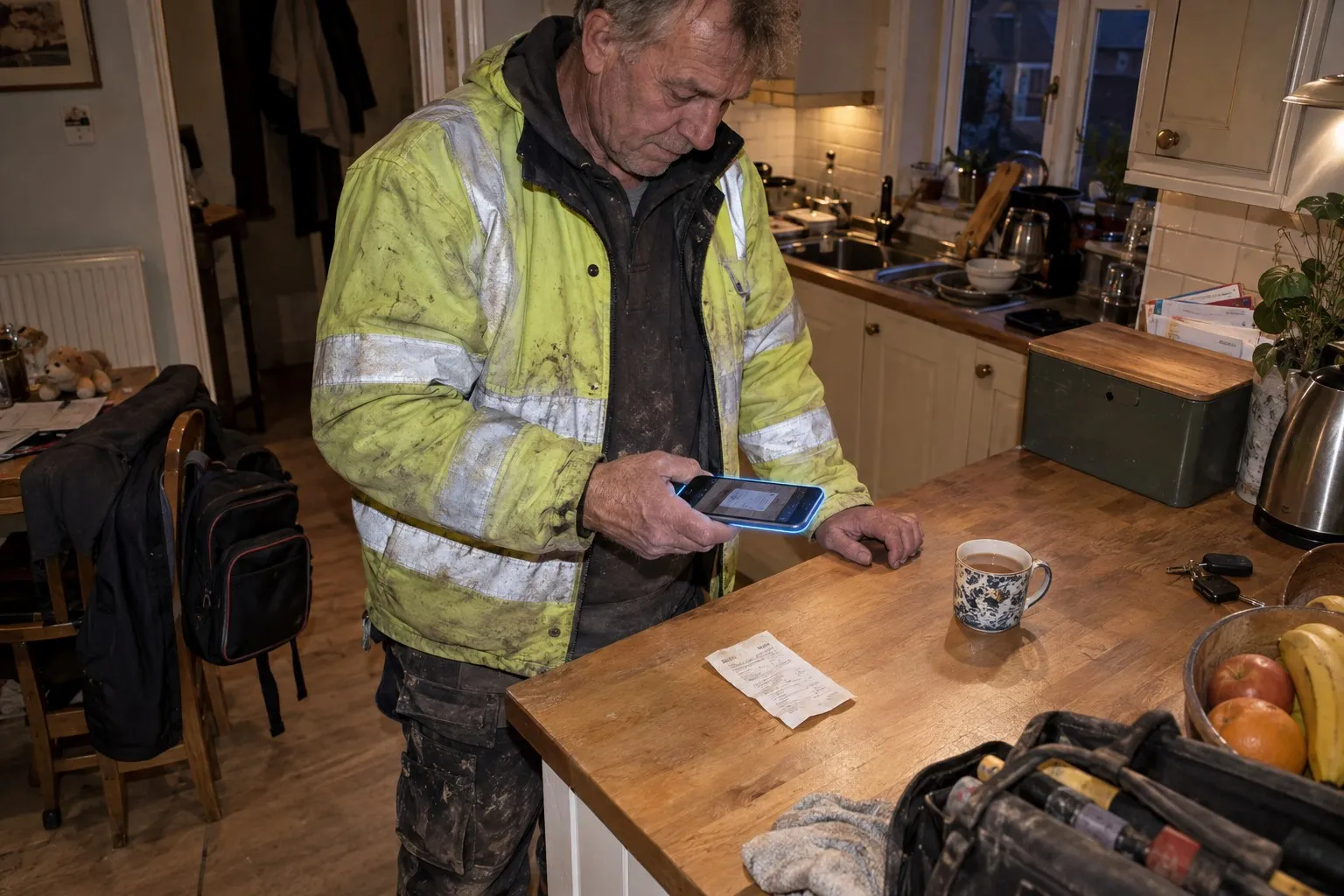
If you’re a sole trader or a landlord taking in more than £30,000 a year before expenses, you’ll be keeping digital records and sending HMRC quarterly updates under Making Tax Digital for Income Tax from 6 April 2027, unless you’re exempt.
HMRC sent the reminder on 5 October 2026, urging those affected to sign up on GOV.UK and start preparing now. Nothing changes for you this month. Craig Ogilvie, HMRC’s Director of Making Tax Digital, said signing up now means you can prepare and familiarise yourself with the process before it becomes mandatory.
If you trade through a limited company, the reminder isn’t addressed to the company. It is for sole traders and landlords, and the test is qualifying income, so that includes sole traders running the business with staff. If your office routine already includes CIS for UK trades, these quarterly submissions need their own place in the diary, whichever side of the contractor or subcontractor line you sit on.
What counts is gross income, not profit. HMRC counts self-employment and property income before any tax allowances or expenses come off. Your trade and your rent are added together and count as one total.
The first group, with qualifying income over £50,000, joined on 6 April 2026. HMRC estimates that around 1,077,000 more sole traders and landlords will have to join from April 2027, based on its analysis of 2024 to 2025 Self Assessment returns. The threshold then falls to £20,000 from April 2028.
Making Tax Digital means digital records and quarterly updates
From your start date, your records have to be digital. Four times a year your software sends HMRC a summary of your income and expenses, and the same software completes your tax return.
HMRC describes the quarterly updates as short summaries. Your tax return still comes once a year.
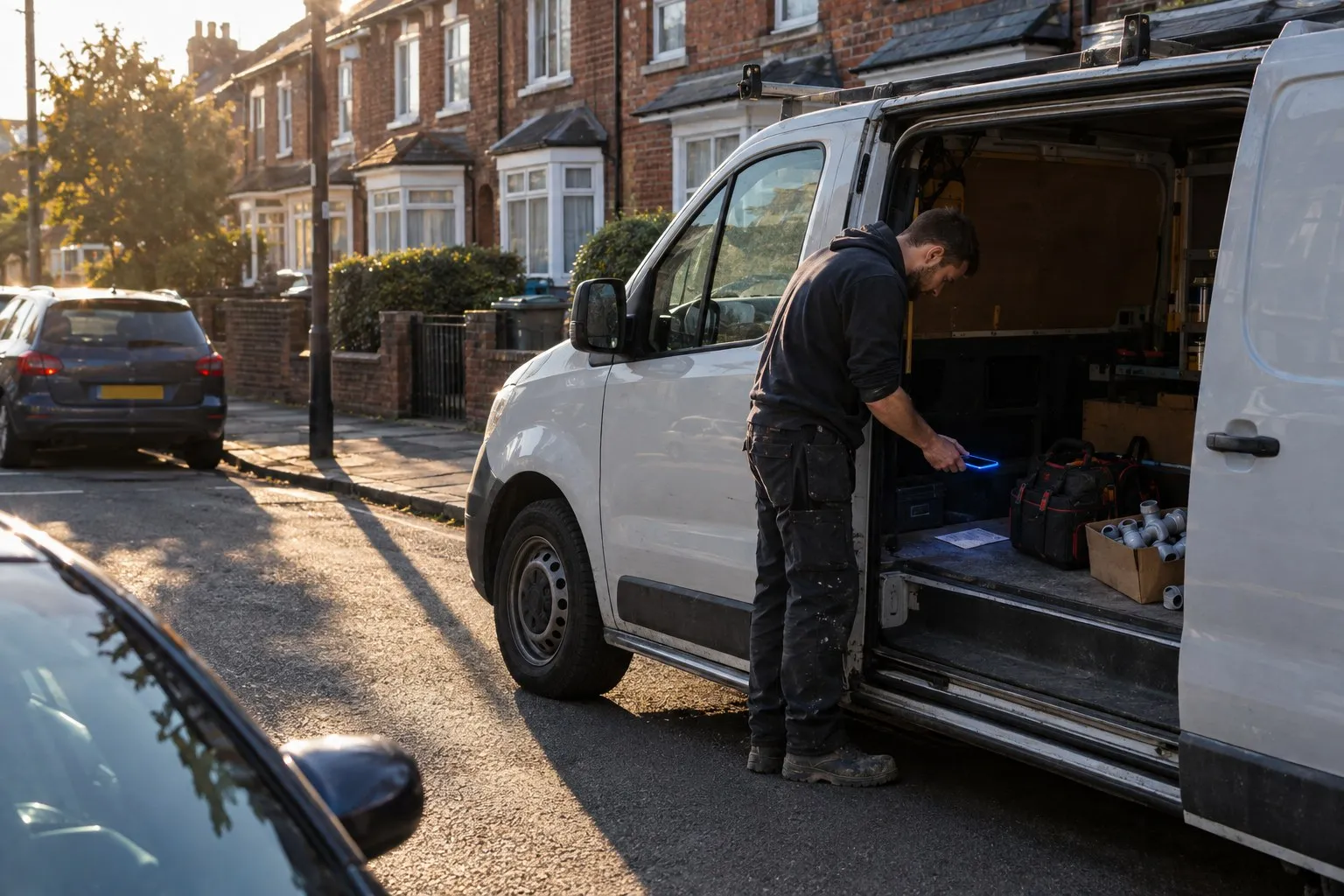
The software has to be on HMRC’s list of compatible products on GOV.UK and connected to HMRC to authorise it. If you use an accountant or bookkeeper, ask them about your choice of software, as HMRC suggests, so they can support you.
Signing up early means catching up on quarterly updates
If you’re due to join from 6 April 2027, signing up early is voluntary. If you join early, HMRC’s sign-up guidance says you have to send any quarterly updates you’ve already missed that year, and you need to understand the penalty changes that apply to volunteers. HMRC will contact you after sign-up to confirm when you become liable for those penalties.
To sign up, you need to be registered for Self Assessment and have submitted a tax return in the last two years. Your tax agent can sign you up on GOV.UK, with your permission.
Exemptions include digital exclusion, and if you’re due to join from 6 April 2027 you can already apply on that basis. Where an exemption isn’t automatic, you apply by contacting HMRC. If you’re exempt, you carry on reporting your income and gains through Self Assessment as normal.
If your books still live in a shoebox or a spreadsheet, the first job is picking software your accountant can work with, and April 2027 is six months away.

Trade resources for tradespeople, straight to your inbox.
Occasionally we will send you a newsletter. Free, unsubscribe in one click.
Keep reading
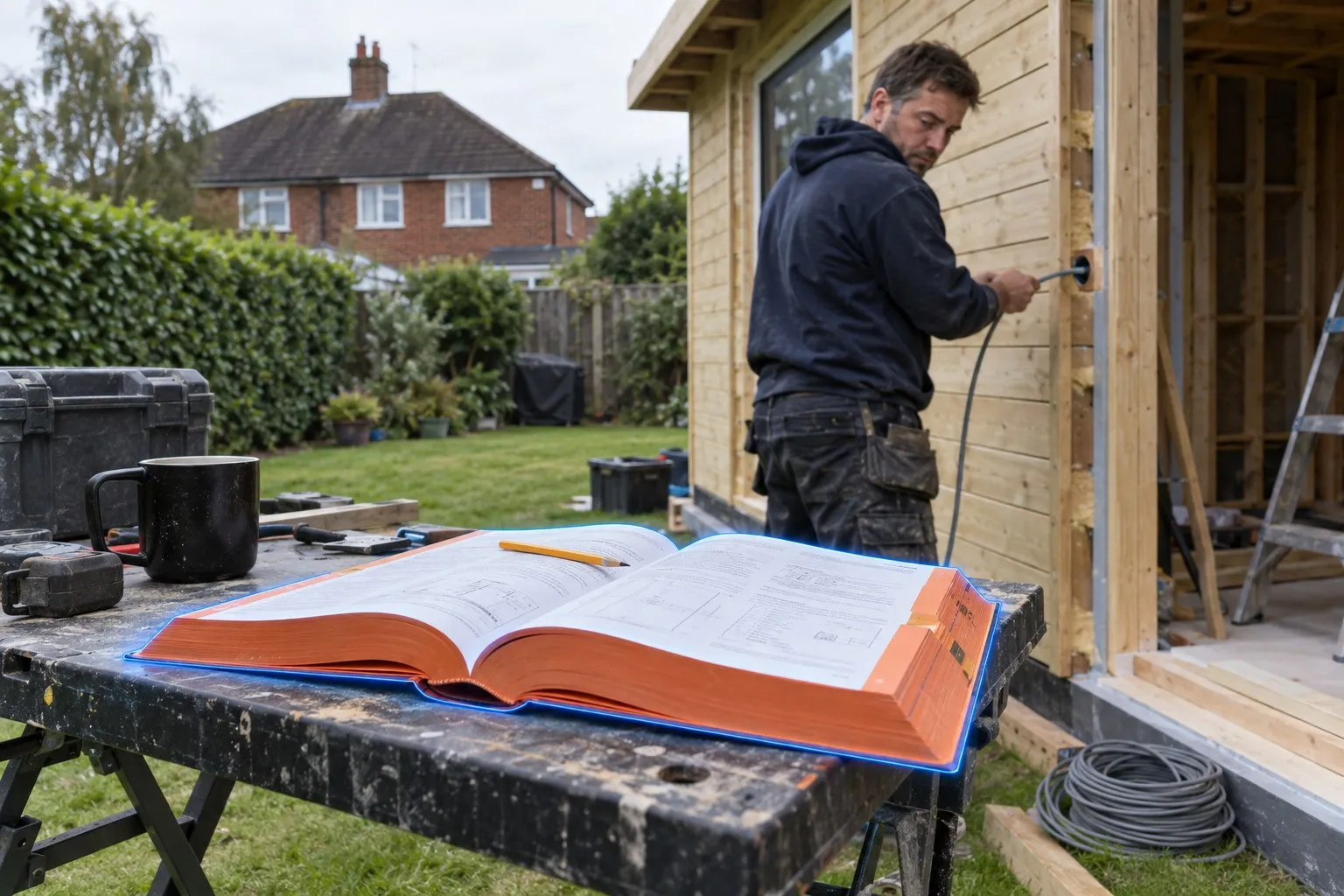
BS 7671 Amendment 4 is now the only current version: live jobs depend on the contract, ECN reports
From 15 October, new installations must follow BS 7671 Amendment 4, Electrical Contracting News reports. Citing SELECT, it says a job designed to the old version may be finished to it if the contract allows. Of the forms, the EICR changes most.
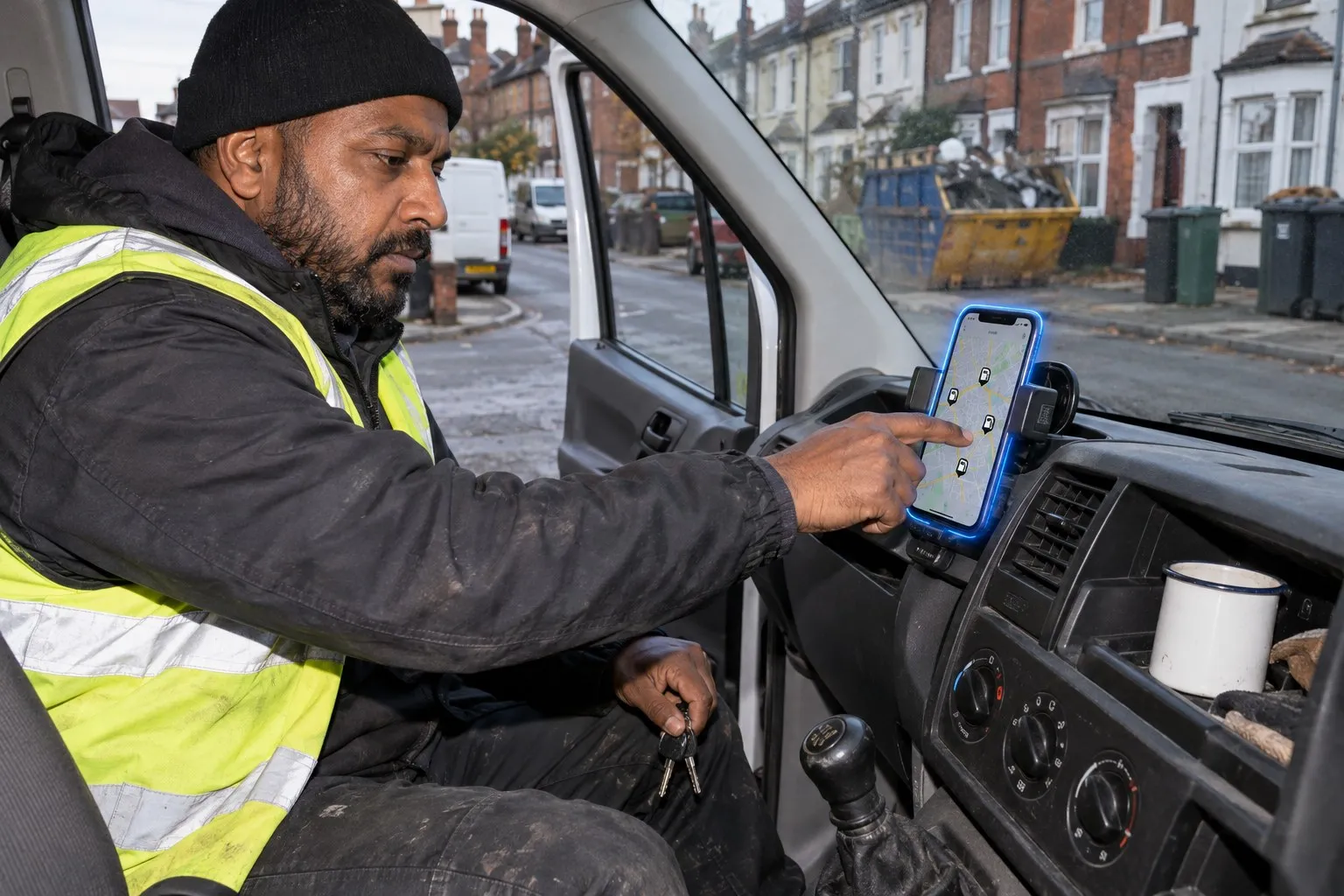
The petrol prices Google Maps now shows: is the cheaper pump worth the detour?
Petrol and diesel prices now sit next to forecourts on Google Maps, in the app your drivers already use for directions. Handy for picking a fuel stop; whether the detour pays is still your call.
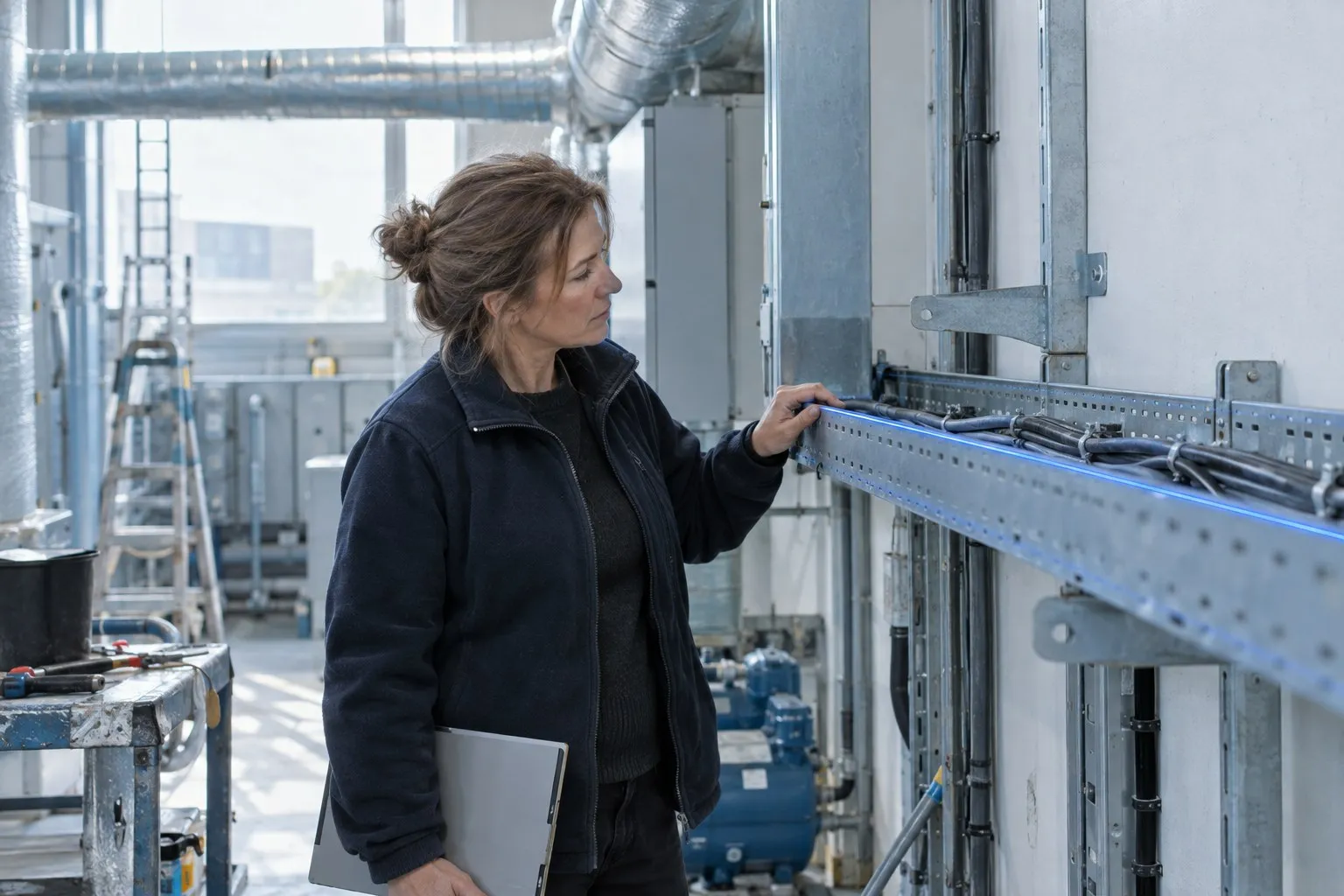
Cable support fire safety: BEAMA's free guide on cables that drop in a fire
Electrical Times reports that BEAMA has put out a free guide and technical specification on cable support and containment, aimed at stopping wiring collapsing early in a fire. It is a reference for your electrical team, not a rulebook.