
The petrol prices Google Maps now shows: is the cheaper pump worth the detour?
Petrol and diesel prices now sit next to forecourts on Google Maps, in the app your drivers already use for directions. Handy for picking a fuel stop; whether the detour pays is still your call.
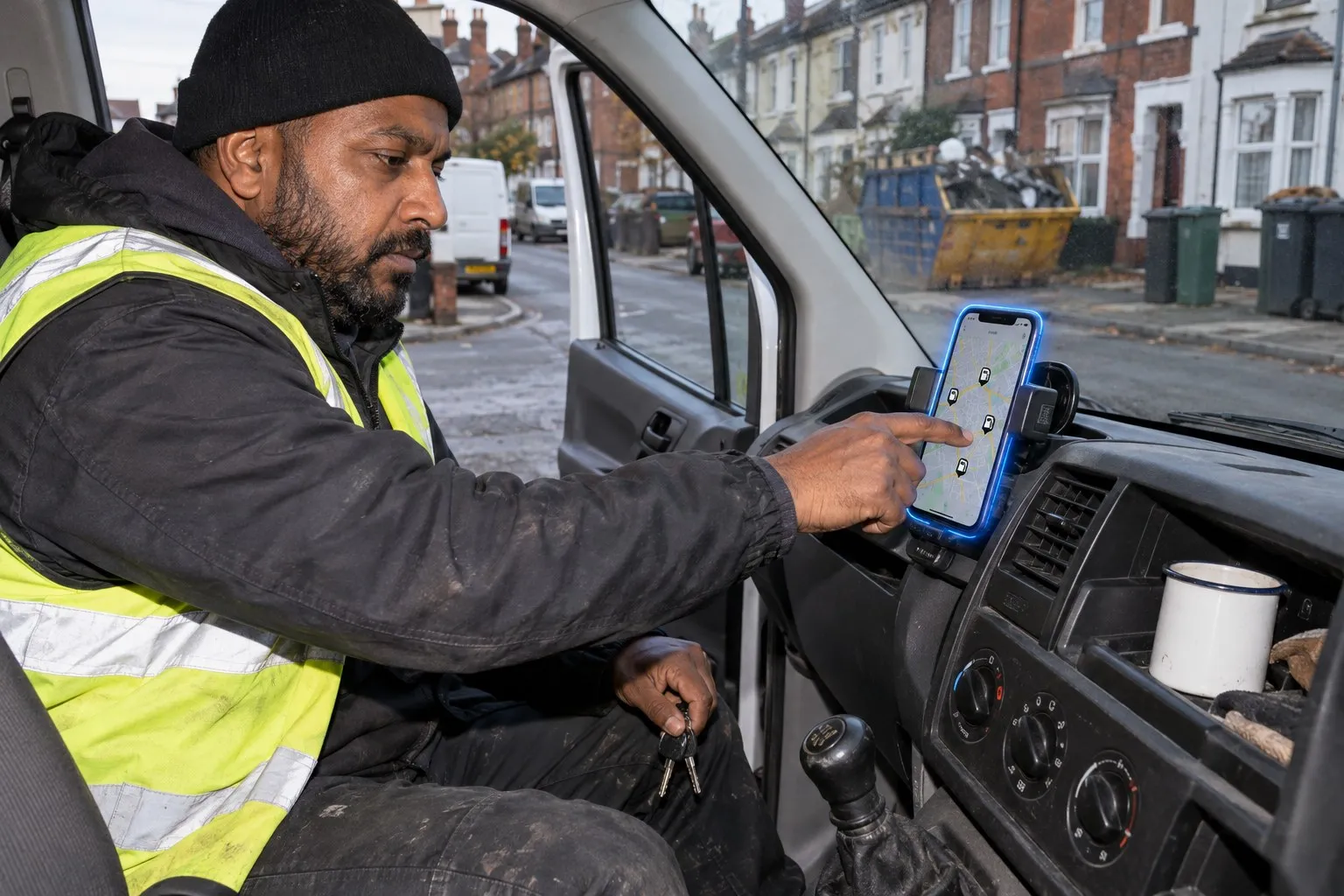
The petrol prices Google Maps now shows sit next to the forecourts on the map across the UK, with diesel alongside. Whoever’s driving the van can see what the nearby stations are charging before they pull in.
The Department for Energy Security and Net Zero (DESNZ) and HM Treasury announced the launch on 8 October 2026, describing the prices as “near real-time”. Nothing in the announcement asks your business to do anything new.
If you’re running the business and paying for fuel, it’s an optional way to plan fill-ups, in the app your drivers already use for directions.
Open Google Maps, search for a forecourt near you, and the petrol and diesel prices show up next to it.
If you leave refuelling to each driver, the prices give them something to compare before choosing a stop. If you plan the day’s visits yourself, you can check the forecourts near the first job while you work out where a fill-up will fit.
Minister for Energy Consumers Polly Billington said that “for so many families and businesses, petrol and diesel are essential goods, not luxuries”.
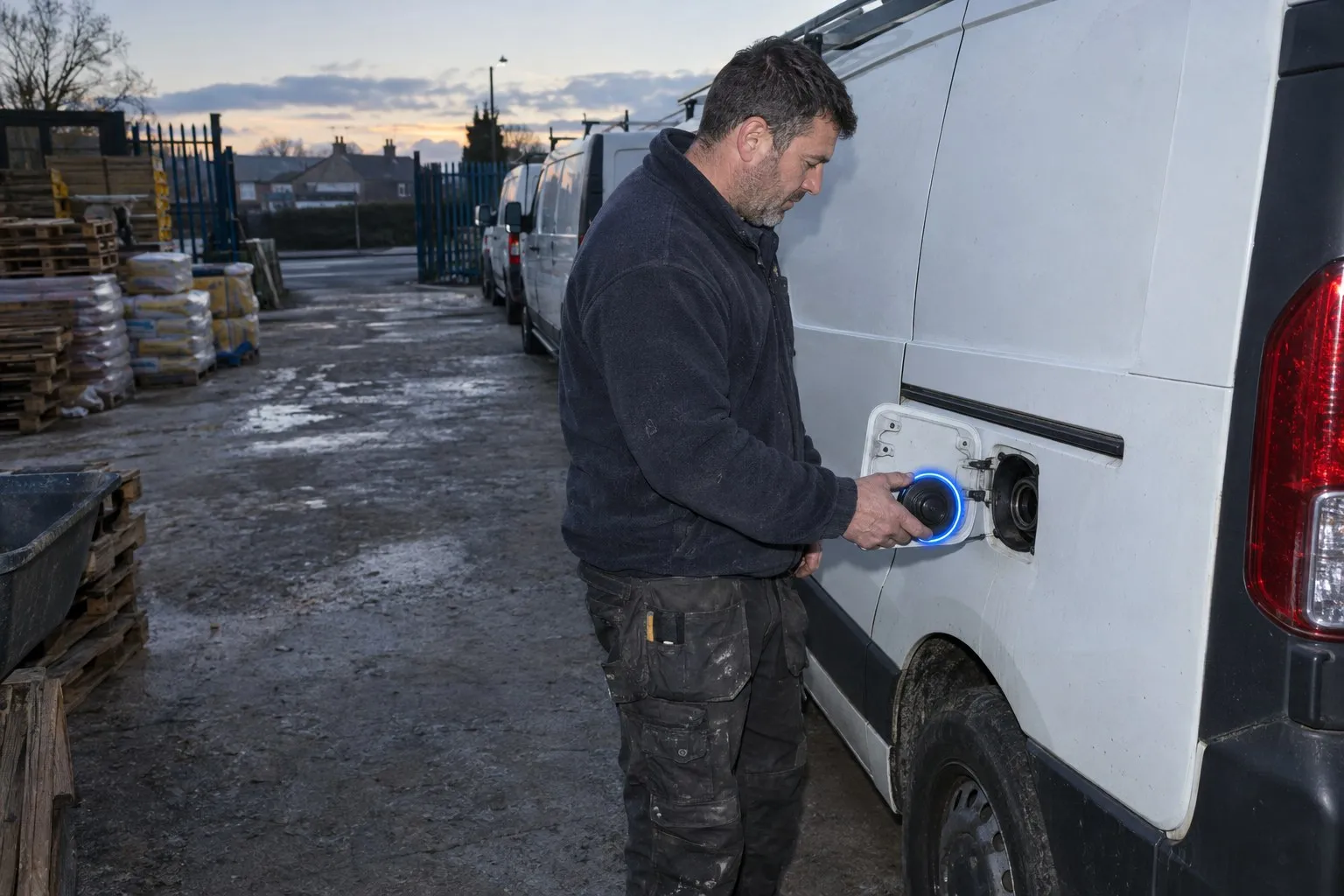
Where the petrol prices on Google Maps come from
The prices come from Fuel Finder, which the government says now reflects around 99% of all fuel sold on UK roads. That 99% counts fuel sold, not forecourts, so a quiet station near your yard could still be missing.

Since February, petrol stations across the UK have had to report a price change within 30 minutes or risk a fine, and the Competition and Markets Authority can act where there is evidence that they’re not complying. How fast a new price then reaches your phone, the government doesn’t say.
If someone in the business already checks Waze, Petrol Prices, the AA, Confused.com or RAC Fuel Watch, they’re looking at the same Fuel Finder data. Google Maps puts it in the app your drivers already open to get to the job, which makes it one of the easier tools and technology changes for a trade to pass on: there’s nothing new for them to learn.
A cheaper pump still has to pay for the detour
If the diesel price rise hitting van costs has your fuel bill up, don’t expect this to fix it. The government puts the saving from comparing prices at around £40 a year for a household that owns a car, and gives no figure for vans.
What the petrol prices on the map change is what your drivers know at the moment they choose where to stop. A forecourt a few pence cheaper across town is a different question when the van is loaded, the customer is expecting you first thing and the hour on the clock is one you’re paying for.
For a van heading to a booked job, a cheaper pump still has to pay for the extra miles and the driver’s time.

Trade resources for tradespeople, straight to your inbox.
Occasionally we will send you a newsletter. Free, unsubscribe in one click.
Keep reading
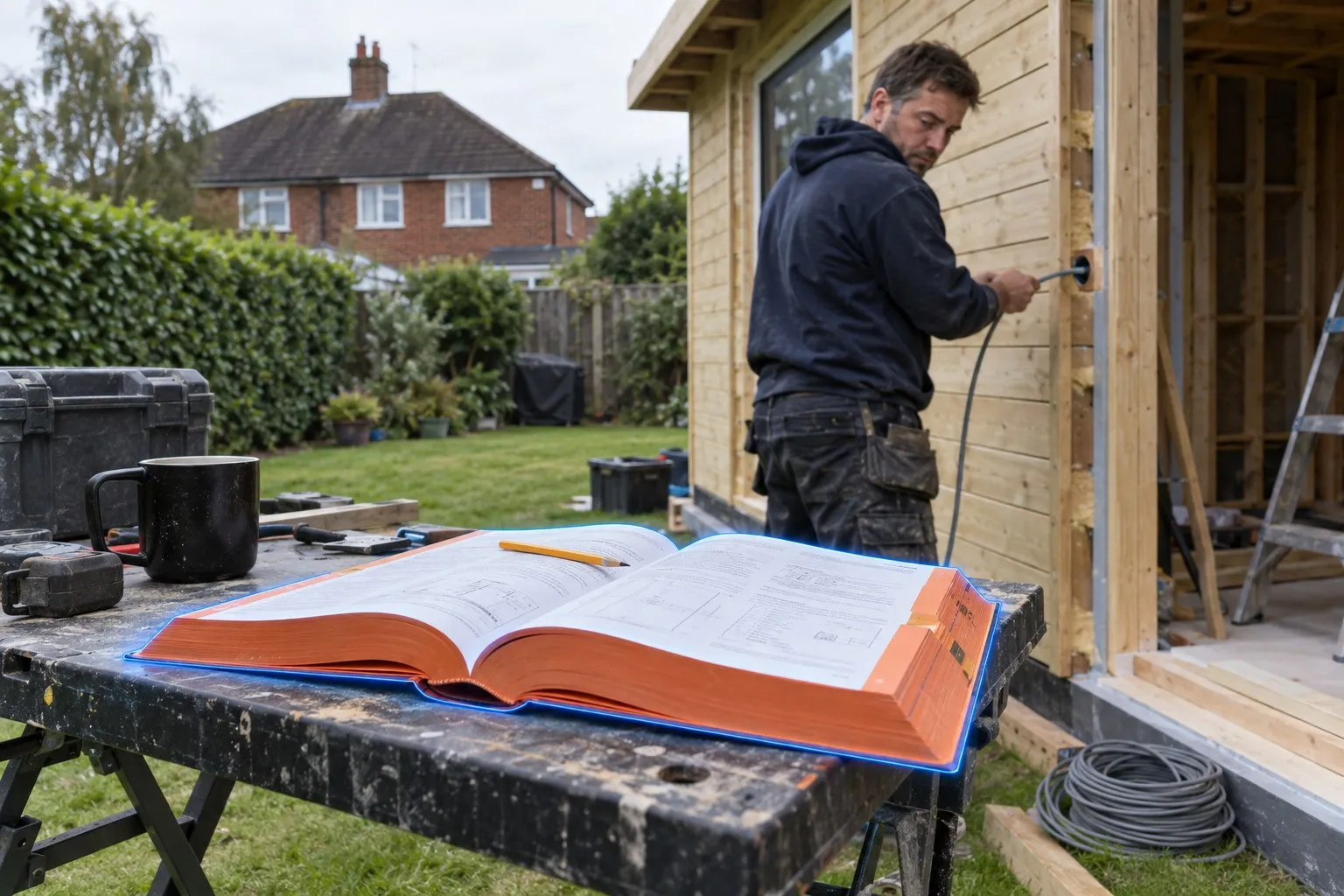
BS 7671 Amendment 4 is now the only current version: live jobs depend on the contract, ECN reports
From 15 October, new installations must follow BS 7671 Amendment 4, Electrical Contracting News reports. Citing SELECT, it says a job designed to the old version may be finished to it if the contract allows. Of the forms, the EICR changes most.
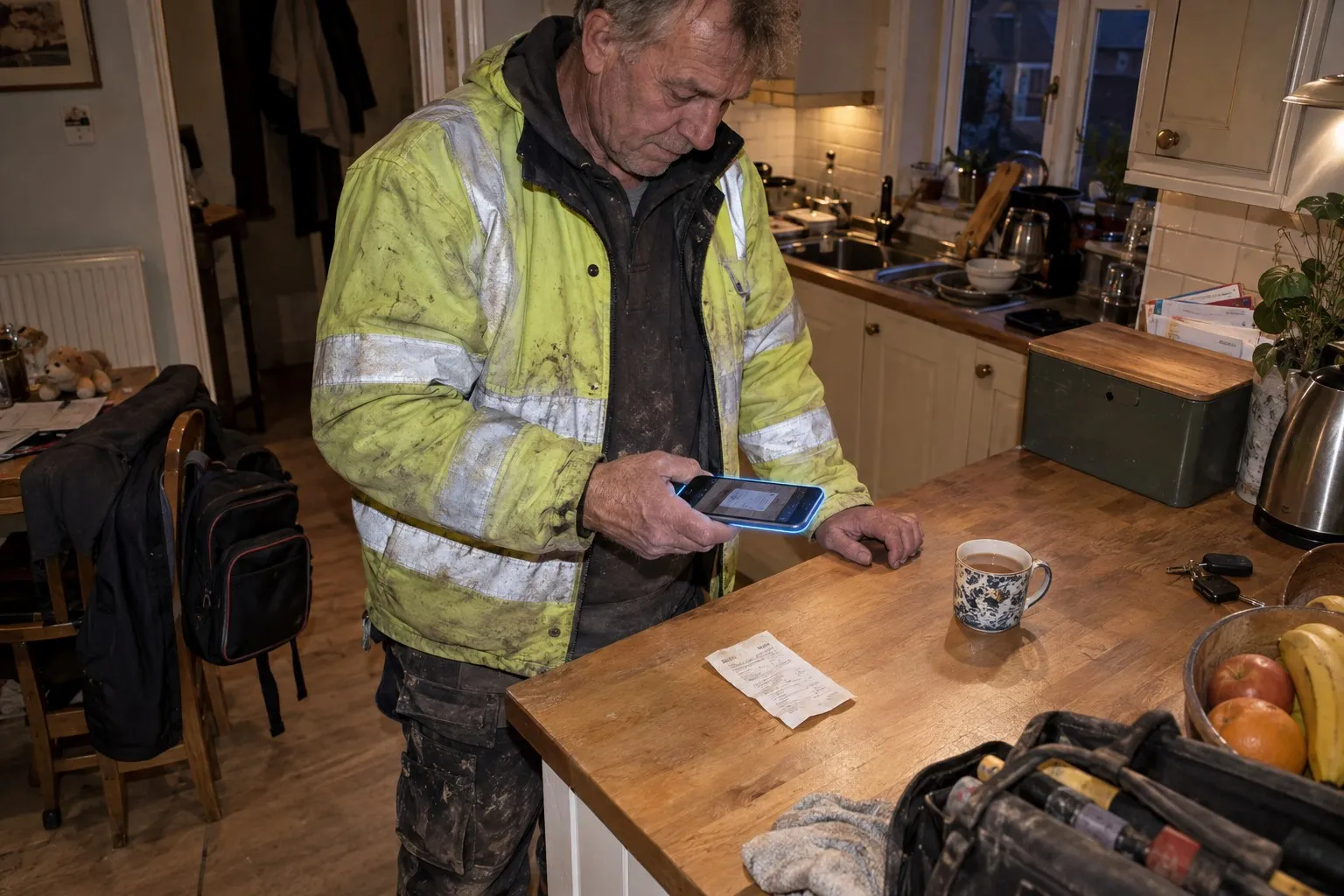
Making Tax Digital drops to £30,000 of gross income from April 2027
From 6 April 2027, sole traders and landlords with more than £30,000 of qualifying income keep digital records and send HMRC quarterly updates. The £30,000 is counted before expenses, with trade and rental income added together.

Cable support fire safety: BEAMA's free guide on cables that drop in a fire
Electrical Times reports that BEAMA has put out a free guide and technical specification on cable support and containment, aimed at stopping wiring collapsing early in a fire. It is a reference for your electrical team, not a rulebook.