
Plant training standards: tower crane and supervisor courses move back to phase 5
CITB has confirmed the plant training groups due for an update in early 2027. Tower cranes and lifting supervisor training have moved into this phase from the last one, alongside earthworks, cranes and demolition plant.

If you were waiting for new tower crane or lifting supervisor training standards, both have moved back a phase. CITB confirmed on 20 October 2026 that they now sit in phase 5 of its plant training standards, due for launch in early 2027, alongside earthworks, cranes and demolition plant.
These standards cover the short courses plant operators take. CITB has been working with the Plant Sector Representative Organisation (PSRO) to standardise them, one phase at a time.
The groups come with a count but not the name of each category, so you can’t yet tick off the exact machines your operators use. That part of your hiring and apprentice training plans needs CITB’s category-by-category list.
Tower crane and supervisor training move to phase 5
CITB gives these groups and category counts for phase 5:
- Earthworks: 2 categories.
- Cranes: 3 categories.
- Demolition plant: 5 categories.
- Tower cranes: 3 categories, moved from phase 4.
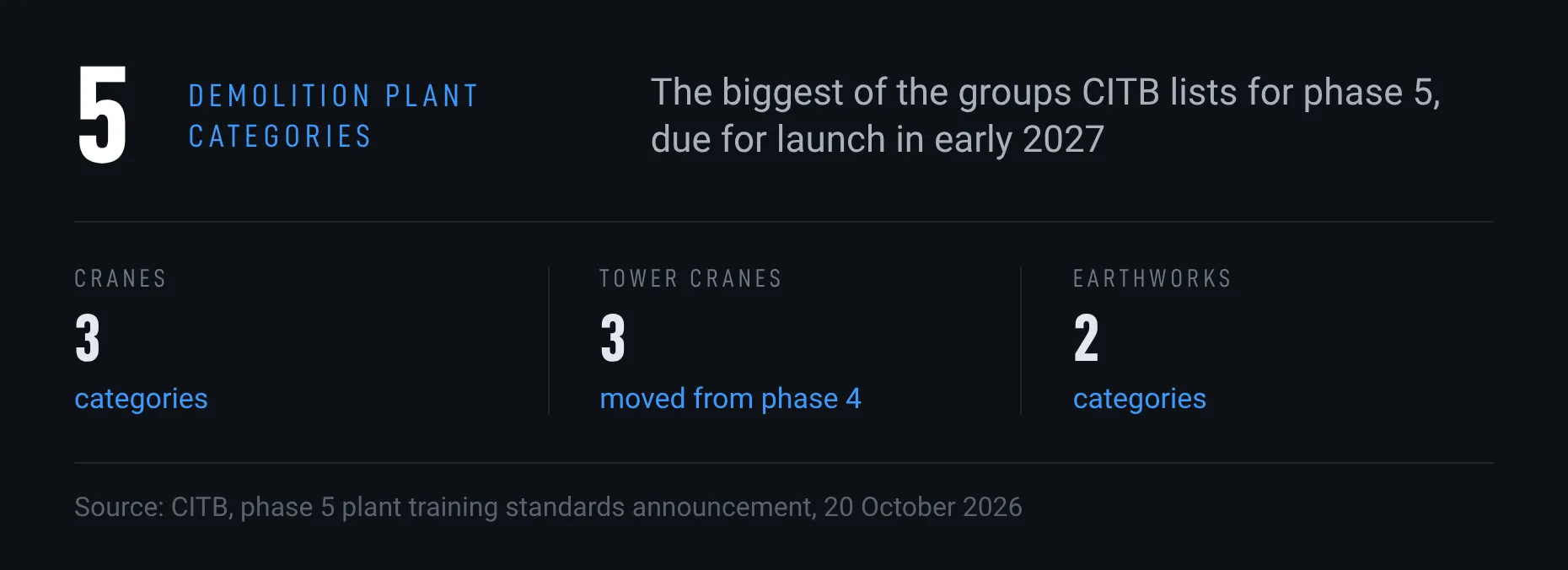
The crane categories are listed separately from tower cranes. The supervisor course, named Crane/Lifting Operations Supervisor Training, has also moved from phase 4, with no category count beside it.
That move matters for anyone booking training around lifts. The supervisor course and Appointed Person (Lifting Operations) now sit in different phases, so a general “crane training” note in your schedule would blur which standard applies to whom. Whichever phase a course sits in, the training standard doesn’t replace the lifting operation plan for the job.
CITB says Appointed Person (Lifting Operations), the last category of phase 4, launches on 27 October. That date is for phase 4 only; phase 5 has the later window.
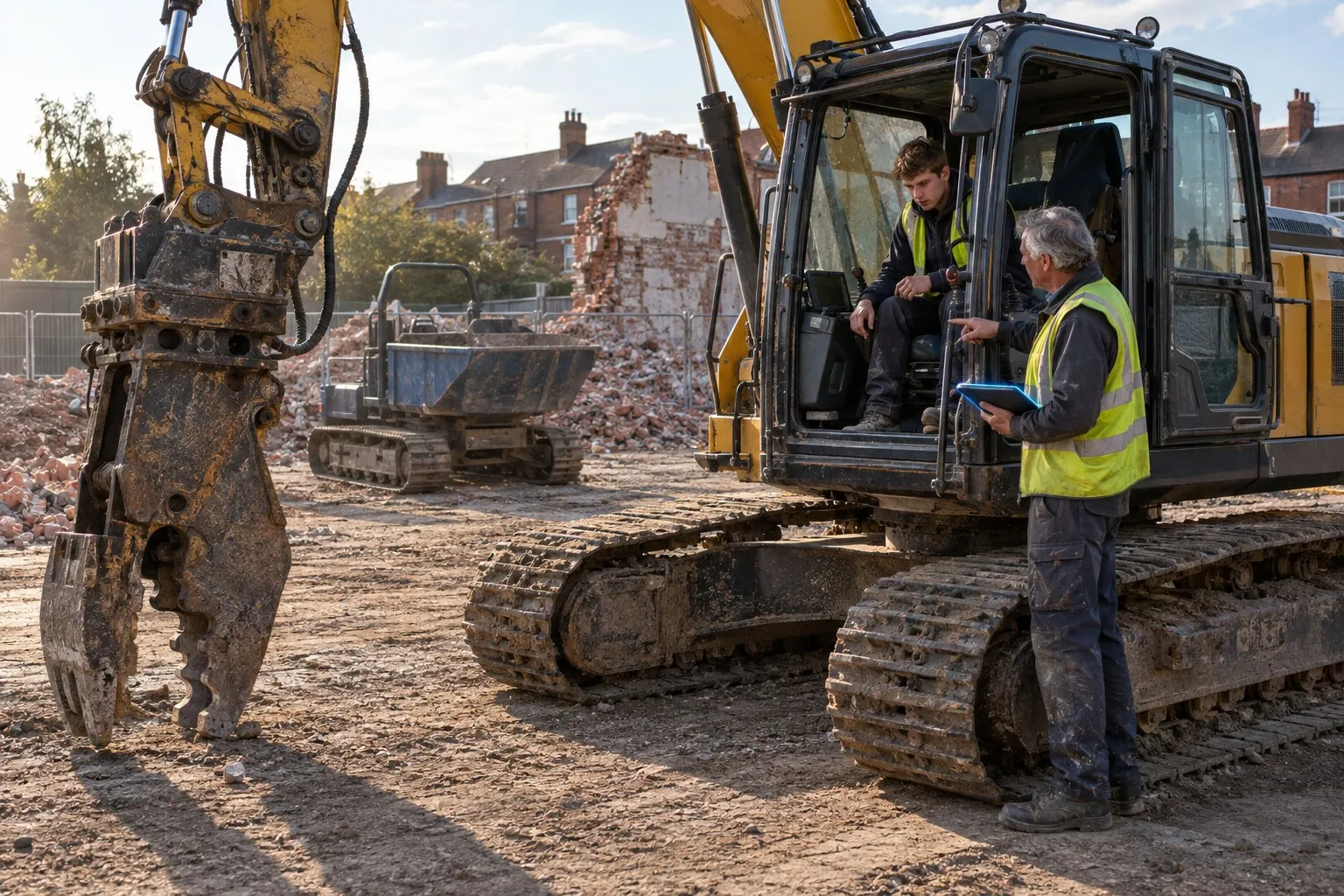
Course details and grants for phase 5 are still open
CITB is developing the standards with industry working groups made up of employers, training providers and federations. That work has already introduced short-course training standards for plant categories in the earlier phases.
What you’d want before booking, this update doesn’t say: how long staff will be away, how assessment works, whether anyone has to retrain, and how existing training will be treated. All you have for now is “early 2027”, a launch window rather than a date.
Grants are just as open. If you lean on CITB money such as the Specialist Upskilling Fund, or on wider government funding for construction training, this update carries no course prices or grant terms. The figure in your budget has to come from the course offer and the funding rules that apply to it.
Before you book plant training, ask which standard applies
Tower crane and supervisor courses are the ones whose timing has just changed, so those bookings are the first to check.
If you’re about to book a course for an earthworks, crane, tower crane or demolition plant operator, ask the provider which standard it will follow, and what happens if the new one lands before the training date.

Trade resources for tradespeople, straight to your inbox.
Occasionally we will send you a newsletter. Free, unsubscribe in one click.
Keep reading
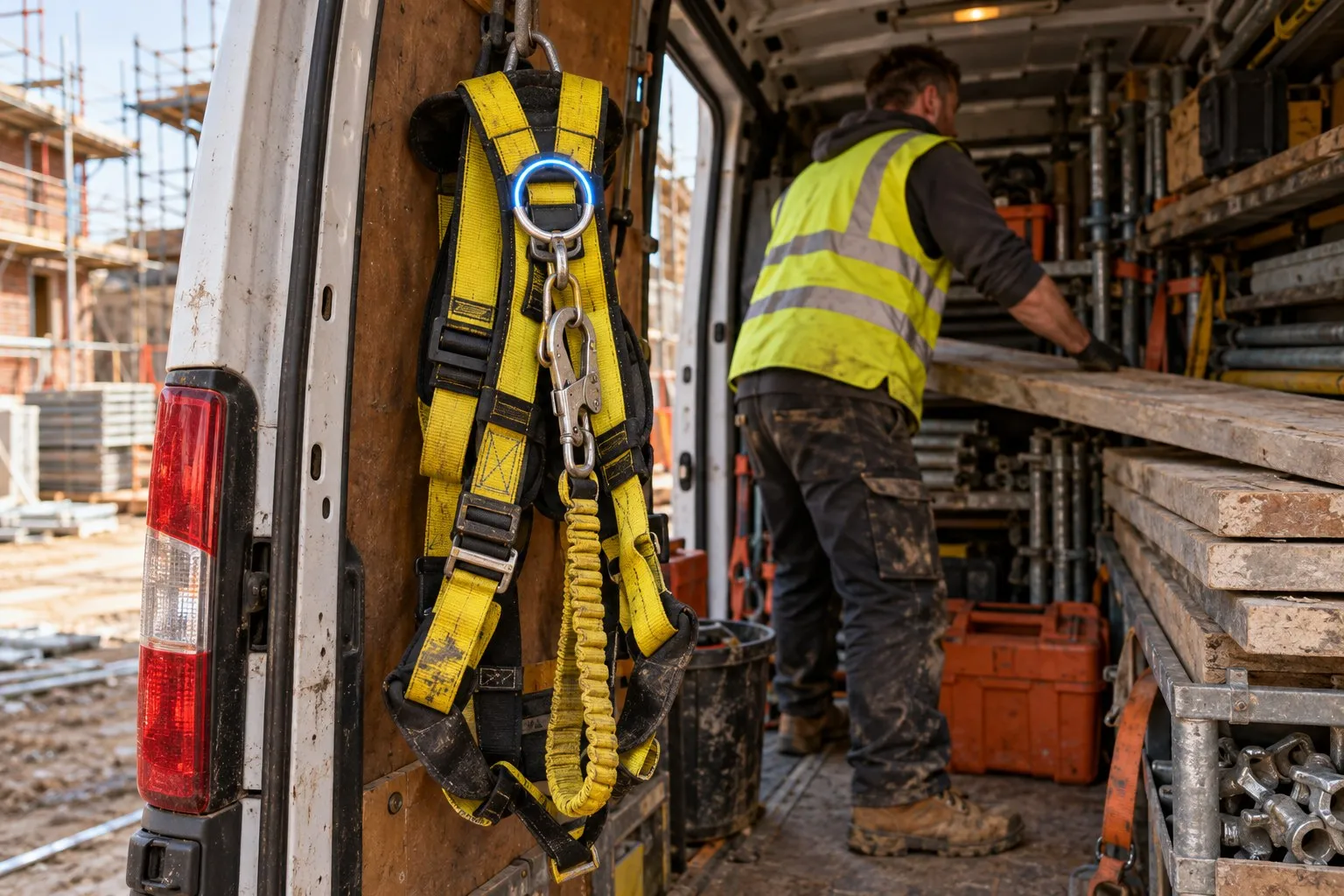
Scaffolding company fined £16,000 after a trainee's fall: neither scaffolder was clipped on
Michael Swales died after falling five metres from a scaffold he was helping to put up. HSE found no safe zones, and neither he nor his colleague was using a harness or lanyard. The guidance it points to covers exactly that stage of the job.

UK average salary: full-time median pay hits £811.20 a week, a 2.7% rise after inflation
Provisional ONS figures put full-time median weekly earnings at £811.20 in April, up 5.8%, or 2.7% after inflation. For a pay review, the useful comparison is someone doing similar work near you.

Right to work subcontractors: the self-employed you bring in can now count as your hire
The Home Office guide now covers individual subcontractors you bring in for a customer's job, and can make you liable for labour another business supplies. What protects you depends on who holds which contract.