
Trench collapse prosecution: director jailed after house extension death
Peter Clifford was jailed for eight years, Construction Management reports. The excavation ran beside a conservatory on a house extension, with inadequate trench support and the home's foundations close by.
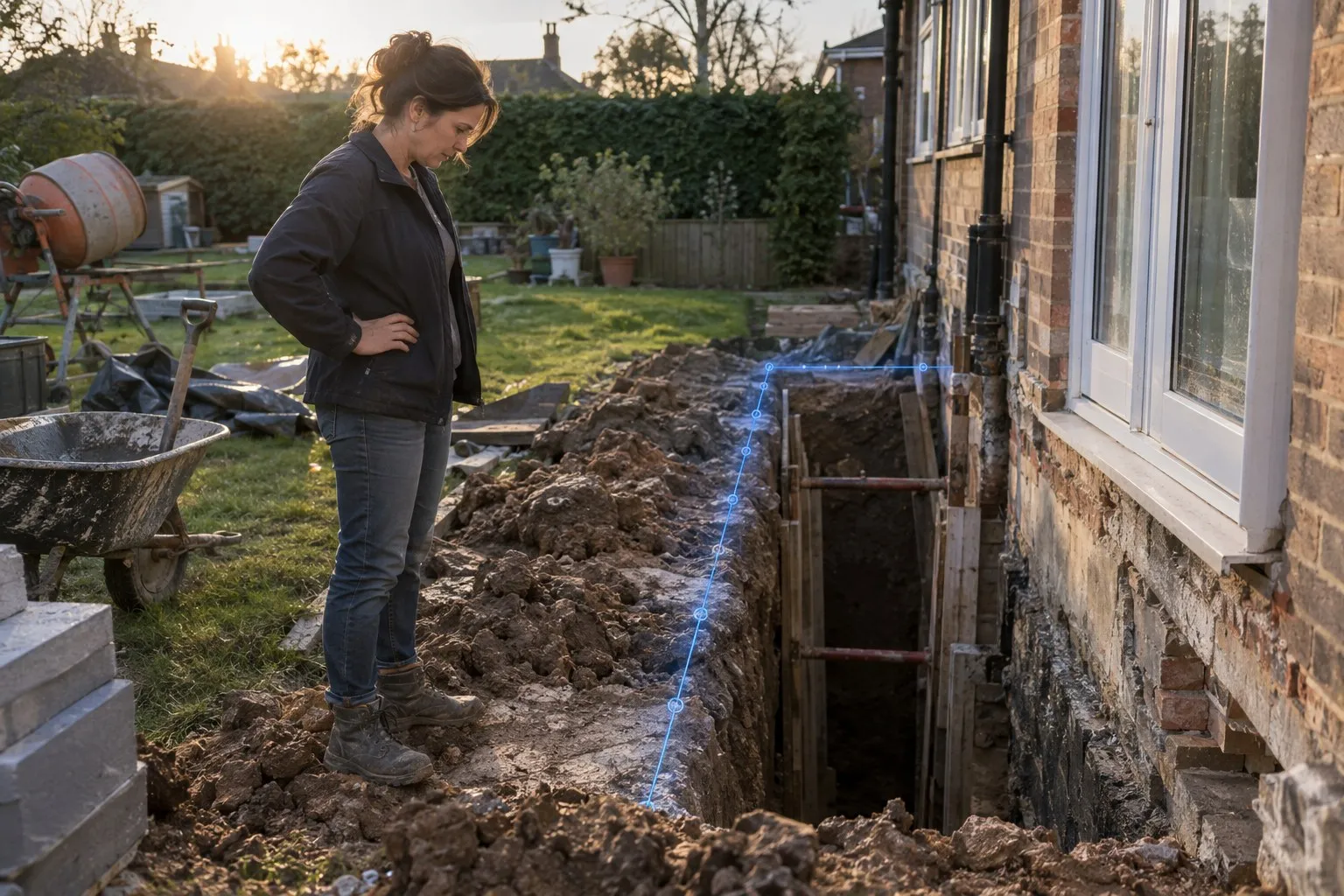
A construction director has been jailed for eight years after a labourer died in a trench collapse on a house extension, Construction Management reported on 18 September 2026.
Peter Clifford pleaded guilty at Ipswich Crown Court to gross negligence manslaughter after the death of labourer Dale Baker, according to Construction Management. Baker was killed when a trench collapsed in Woodbridge, Suffolk, in December 2020, Construction Management reported, while Clifford’s firm, Hintonwood East Anglia, was building an extension for the homeowners.
If you are running the business behind a house extension, this trench collapse prosecution lands on something every dig already contains: the ground beside it, and how far you go to hold it back. It is the same question under other recent site cases, whether the job is lifting operations planning or steam pipe isolation on a factory floor.
The trench collapse happened beside a conservatory
Construction Management reported that Clifford’s company, Hintonwood East Anglia, was building an extension when the excavation was dug beside the home. The dig ran dangerously close to the foundations of an adjoining conservatory, the magazine reported, and the trench itself was insufficiently supported. The trial followed a joint investigation by the police and the Health and Safety Executive, Construction Management reported.
The side of the trench collapsed on Baker, followed by the conservatory foundations. A post-mortem found he died from suffocation.

Construction Management also reported that Clifford pleaded guilty to two counts of failing to discharge the employer’s general duty under health and safety rules, that his company admitted the same charges, and that he was banned from acting as a company director for 10 years.
For a firm that builds extensions, the setting is ordinary: a crew digging alongside a house that is still standing, with its own foundations a few feet from the spoil. What the case turns on is not the size of the job but who was in charge of that trench while people were working in it.
Support the trench before anyone climbs down into it
The lesson in the sequence is that the trench wall was not the only thing that could fall: the conservatory footings beside it had nothing holding them once the ground was open.
The detail to carry into your own jobs is the ground next door. When you dig beside a building that is still standing, its foundations are part of the excavation, not just the trench walls, and the support the sides need has to be decided before the first shovel rather than once the crew is already down in it.
So on the next extension, ask it out loud: “Who decides whether this trench is ready for someone to work in?” That answer needs a name.

Trade resources for tradespeople, straight to your inbox.
Occasionally we will send you a newsletter. Free, unsubscribe in one click.
Keep reading

Lifting operations planning: a £230,000 fine after a business took over unloading
Smith & Nephew took over unloading from Nippon Express to cut numbers on site during COVID-19. A delivery worker suffered life-changing injuries. HSE found the lift was not properly assessed, planned or supervised.
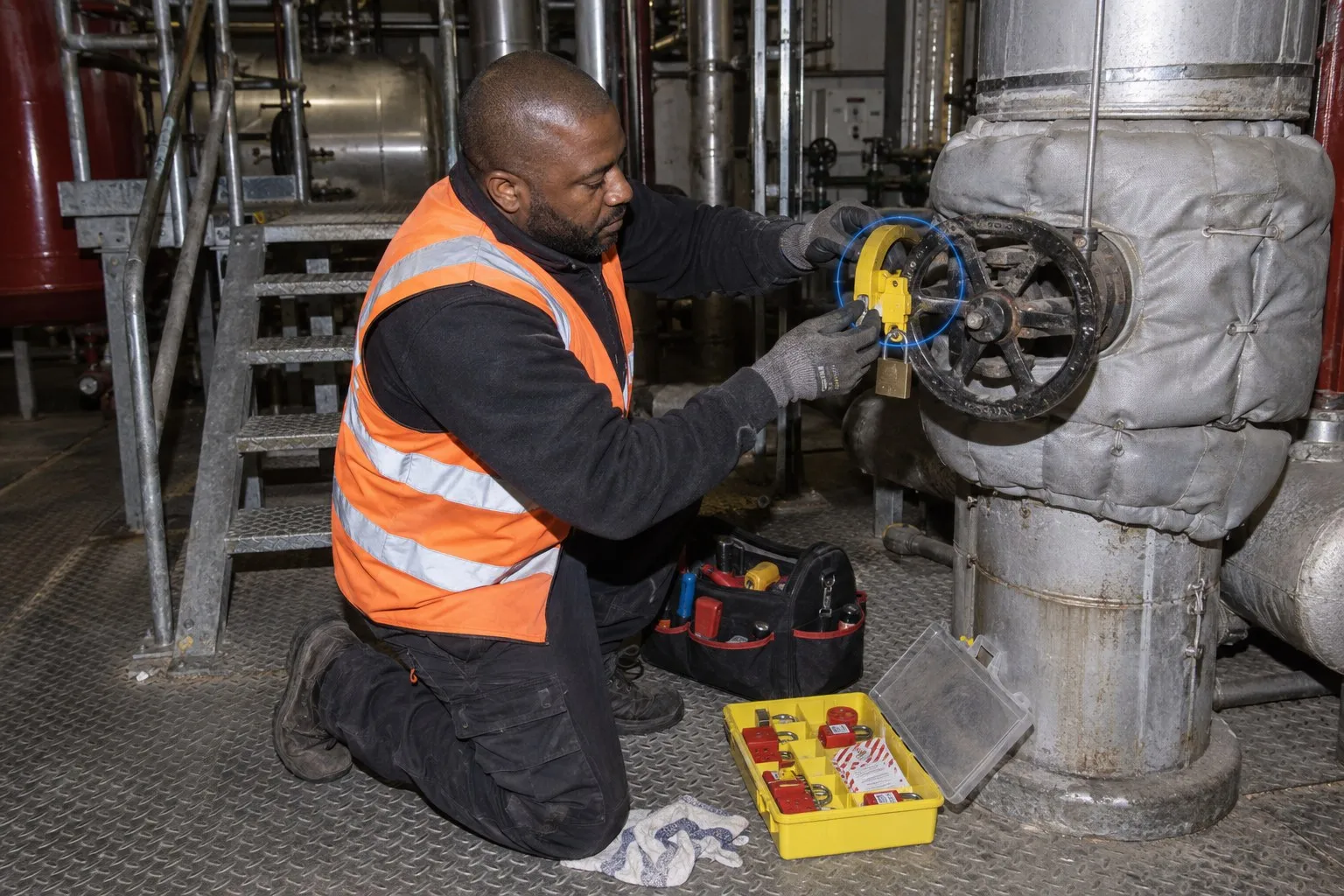
A factory skipped steam pipe isolation and was fined £594,000 after two men were scalded
Two men were replacing a leaking gasket when hot water splashed from the steam pipework. Nobody had proved the pipe was isolated, and HSE found failures in the safe system of work, in supervision, and in the work at height above the boiler.

CIS penalties: you could pay for a connected party's deliberate non-compliance
Construction payments or CIS credits linked to a connected party's deliberate non-compliance can expose your business to a penalty if you knew or should have known of the link and HMRC has issued the relevant determination. Company officers can also be personally liable.