
A factory skipped steam pipe isolation and was fined £594,000 after two men were scalded
Two men were replacing a leaking gasket when hot water splashed from the steam pipework. Nobody had proved the pipe was isolated, and HSE found failures in the safe system of work, in supervision, and in the work at height above the boiler.
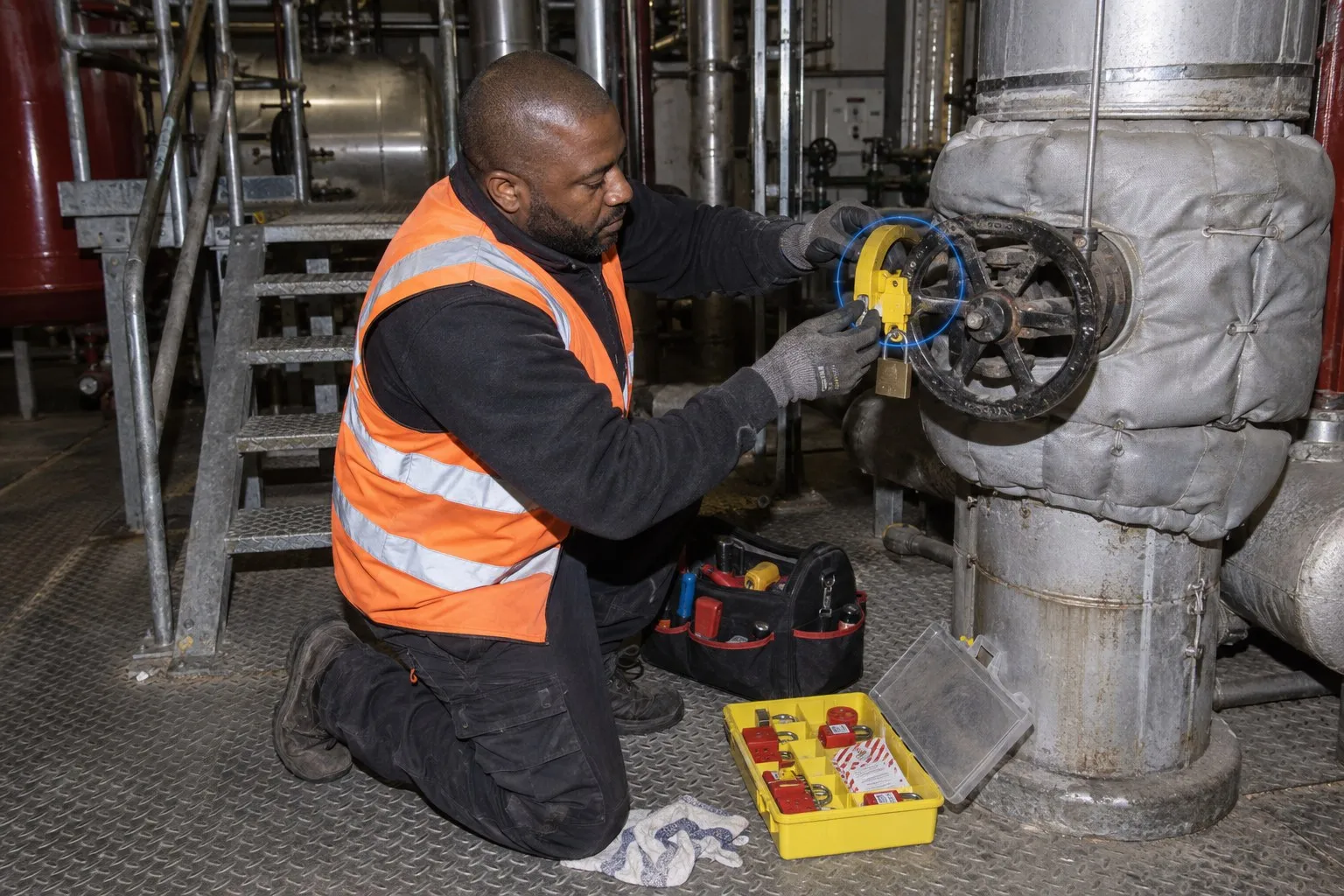
Two men were replacing a leaking gasket on a steam pipe when hot water splashed out and scalded them. Nobody had proved the pipe was dead first, and it cost the factory £594,000. If you are running the business side of a maintenance firm, the lesson sits in one question: who controls the plant before your engineers open it, because a client’s steam pipe isolation can put your own people at risk.
The Health and Safety Executive reported the case on 16 September 2026. Birmingham Magistrates’ Court fined Samworth Brothers Limited £594,000 on 4 September 2026, after the incident at its Kettleby Foods factory in Melton Mowbray. HSE does not give the accident date. The same failures in planning and supervision ran through a recent lifting operations planning failure after a business took over unloading.
Samworth Brothers pleaded guilty to breaching section 2 of the Health and Safety at Work etc. Act 1974. On top of the fine, the court ordered £5,834 in prosecution costs, a £2,000 victim surcharge and £6,000 in compensation for the injured employee. All of it falls due by 4 January 2027.
The men were replacing the gasket in an isolation valve on steam pipework in the boiler room. The gantry did not reach that part of the pipe, so both stepped off it and worked on top of the boiler. When they pulled the gasket, hot water sprayed out. One man suffered 4-5% subdermal burns and the other 9% subdermal, second-degree burns.
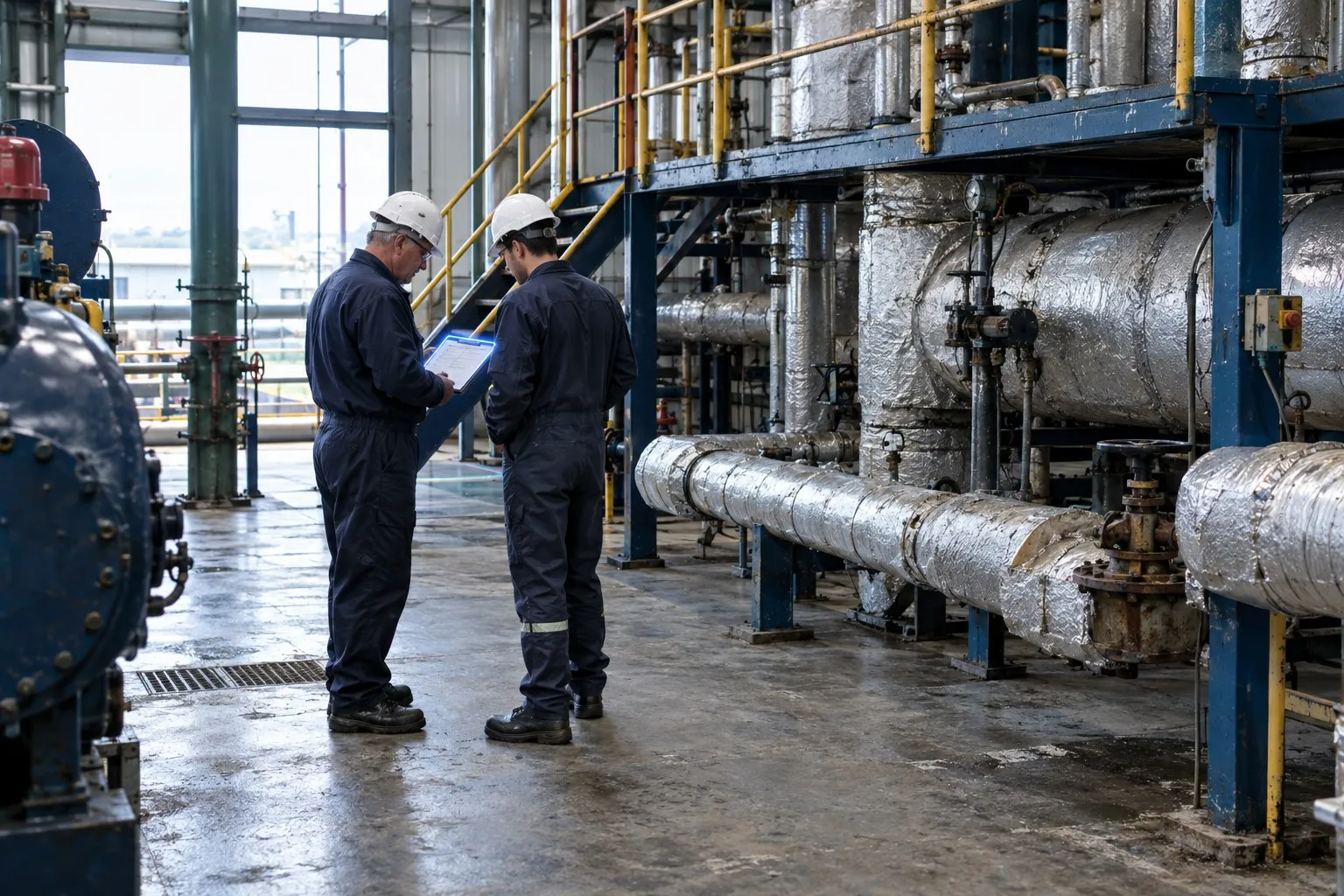
Steam pipe isolation has to be proved before the joint comes apart
HSE found that Samworth Brothers had not assessed the task or written down a safe system of work. Nobody locked off the steam supply, and nobody was checking that the crew worked the way they were meant to. The work also went ahead at height without enough in place to stop a fall, though it was the hot water that did the harm.
HSE’s general guidance says the integrity of an isolation should be proved before intrusive work begins, and that planning a task like this means preparing risk assessments, method statements, permits and isolation certificates. That coordination is ordinary project management on a live site, not paperwork for its own sake.
Who isolates the plant is a question you can settle first
The guidance also says work at height should be planned, supervised and done by competent people with the right equipment. The duty here sat with the factory, not the maintenance crew, and HSE has not said how the two sides split responsibility. But nobody had proved the pipe was dead before two men opened it. Before your engineers touch plant on someone else’s site, agree who isolates it, and get the lock-off confirmed in writing.

Trade resources for tradespeople, straight to your inbox.
Occasionally we will send you a newsletter. Free, unsubscribe in one click.
Keep reading
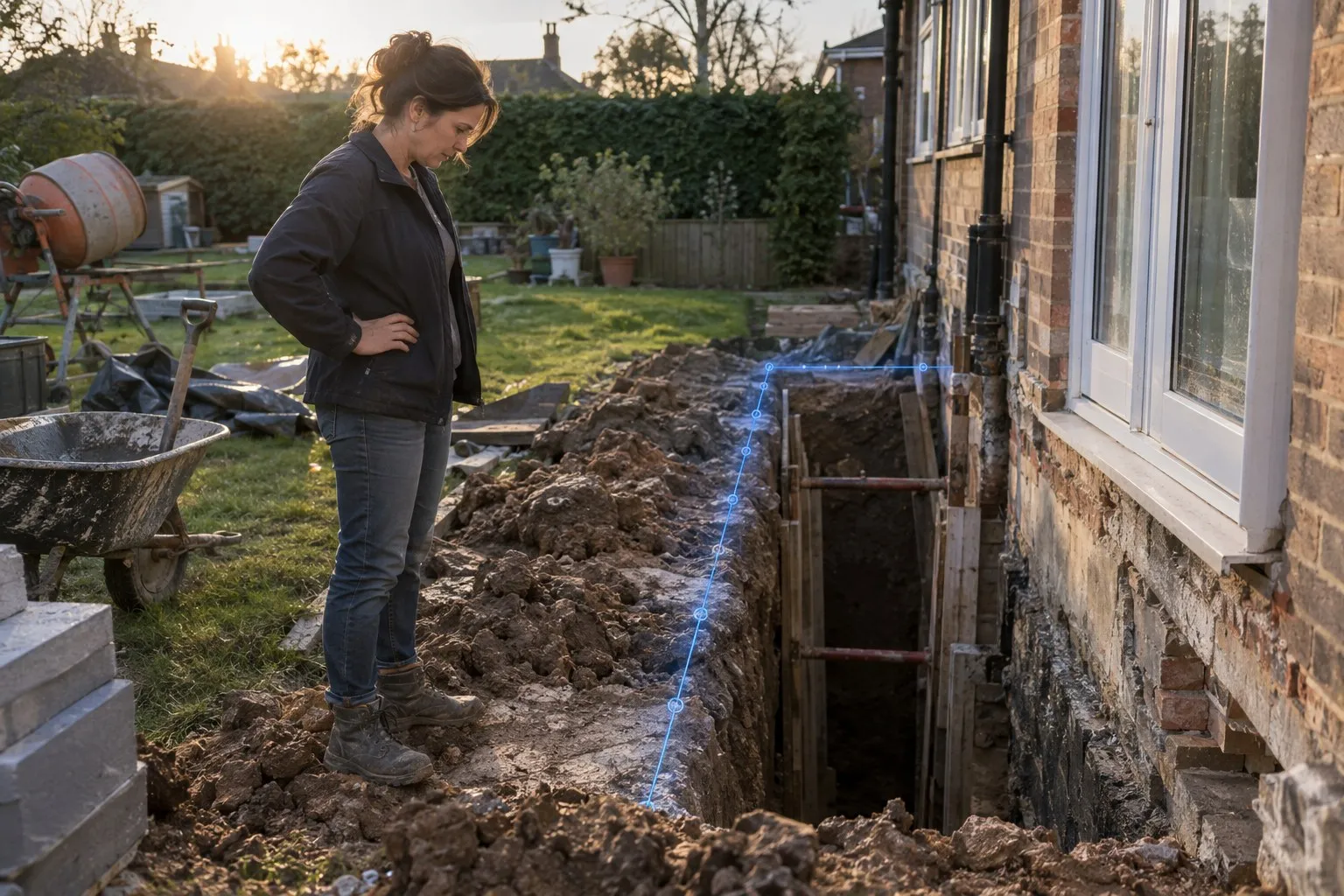
Trench collapse prosecution: director jailed after house extension death
Peter Clifford was jailed for eight years, Construction Management reports. The excavation ran beside a conservatory on a house extension, with inadequate trench support and the home's foundations close by.
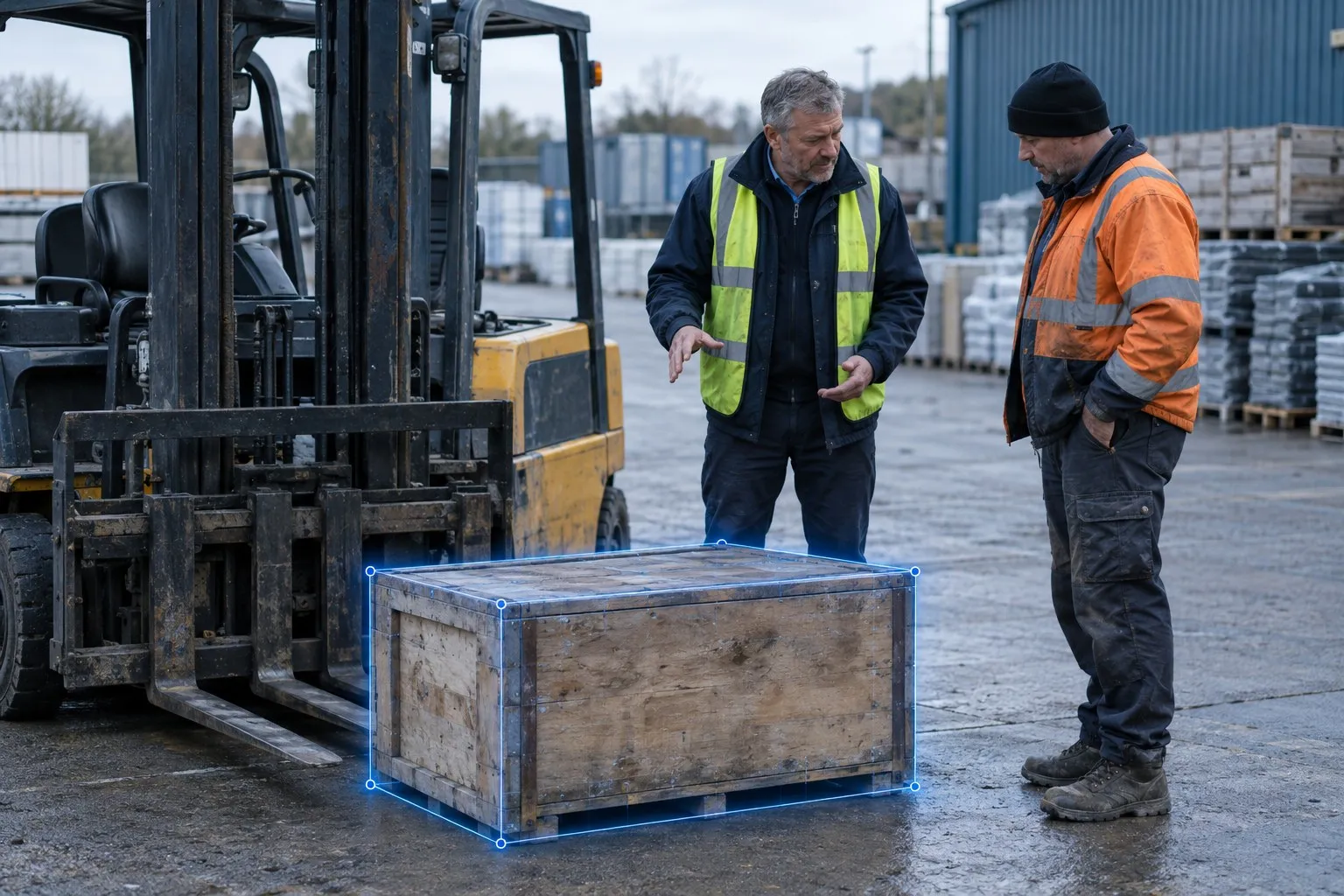
Lifting operations planning: a £230,000 fine after a business took over unloading
Smith & Nephew took over unloading from Nippon Express to cut numbers on site during COVID-19. A delivery worker suffered life-changing injuries. HSE found the lift was not properly assessed, planned or supervised.

CIS penalties: you could pay for a connected party's deliberate non-compliance
Construction payments or CIS credits linked to a connected party's deliberate non-compliance can expose your business to a penalty if you knew or should have known of the link and HMRC has issued the relevant determination. Company officers can also be personally liable.