
Building control inspection stages on an extension, and who decides them
Your council's written notice sets the stage notifications for your job. A private building control body has its own list of stages. Photographs can provide evidence where the body accepts them, but sending them is not approval.
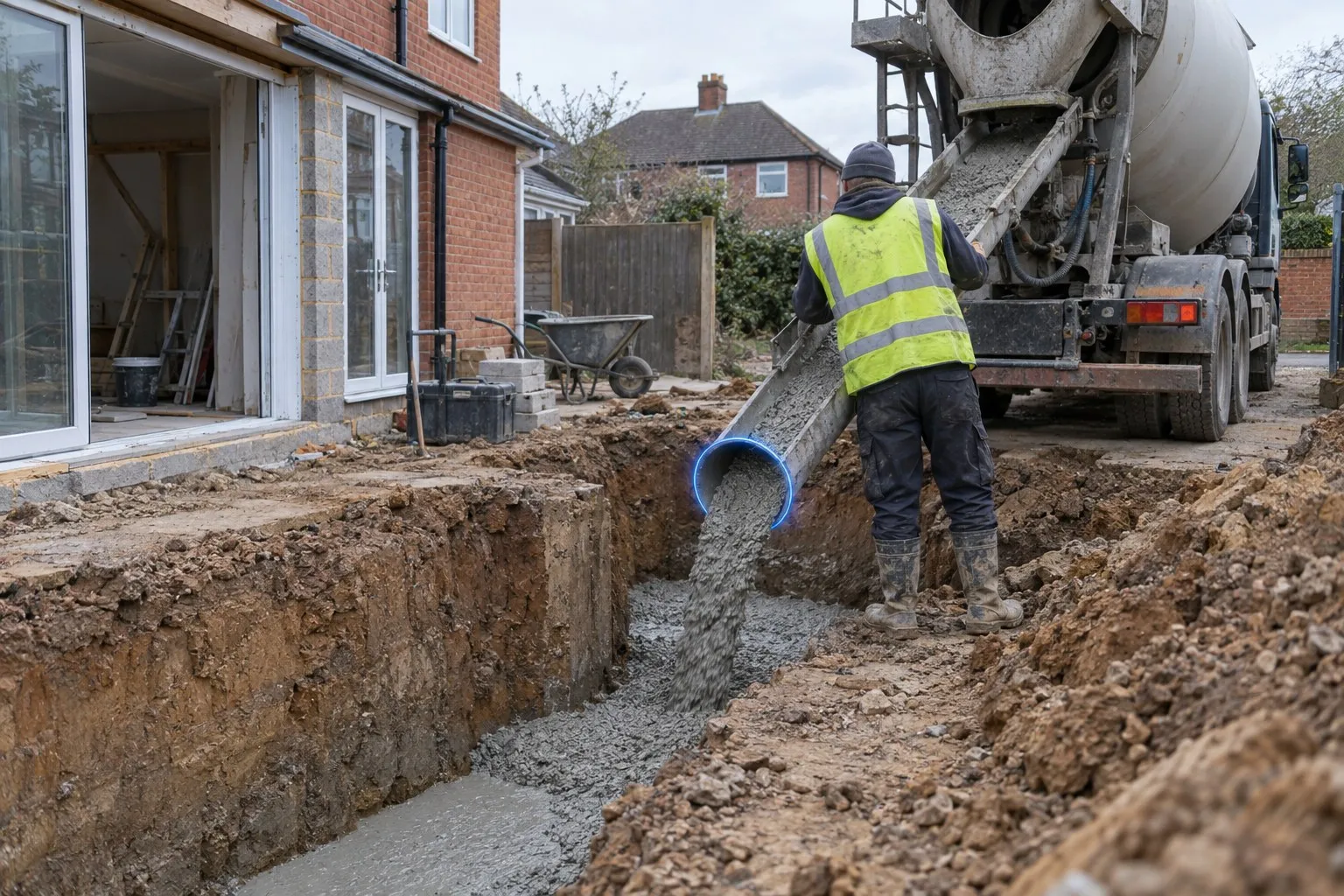
Concrete hides the bottom of a foundation trench. Plasterboard closes off the insulation behind it. Once covered, the work can only be seen again by opening it up.
For building control inspection stages on an extension, foundations, damp-proof course or membrane, drains and completion appear in all 14 council and approver lists read on 6 October 2026. The count records what those bodies publish, not a legal schedule. On the council route, the stages that bind your job are the ones in the written notice you receive.
Your start notice lets the council set the stages
On the council route, you give notice that you intend to start work. The council can reply with a written notice naming the stages you must tell it about. Its written notice binds your job. If none has arrived, ask your building control body in writing which stages it wants to be told about on this job. The separate commencement notice and the wider route are set out in building control for the trades.
Regulation 16 of the Building Regulations is England’s rule; Wales, Scotland and Northern Ireland set their own.
For council jobs, regulation 16(2) puts the notification duty on “a person carrying out building work”. The Local Government and Social Care Ombudsman’s South Ribble decision of 27 January 2022 placed responsibility for requesting inspections at key stages on the owner or their contractor.
A registered approver works through its own inspection framework. Stroma’s says inspections “are not a legal requirement”, but “you must notify your RBI”, your registered building inspector, before passing each stage. The framework also requires a photographic record of the work.
Building control inspection stages in the published lists
Structural work shares a stage with pre-plaster checks in Castle Point’s list. Luton publishes eight stages for extensions and Charnwood six, so the number on a website says little about the visits your own job will get.
The sample covers 21 building control services, two of them shared by neighbouring councils and two of them private approvers. Selection combined inspection-stage and booking searches with six services chosen in advance.
The 14 services publishing lists, read on 6 October 2026, name the following stages, roughly in site order. On the council route, your project’s written notice determines which stage notifications are required.
- Foundations: 14 of 14 lists, covering excavation, concrete or reinforcement.
- Oversite or slab before concreting: 10 of 14.
- Damp-proof course or membrane, DPC or DPM: 14 of 14.
- Drains: 14 of 14. Bury names drains without specifying “before covering”.
- Structure as a separate stage: 8 of 14. Including stages combined with other work brings the count to 12.
- Electrical installation before covering, as a separate stage: 1 of 14, at Bury.
- Before plaster or plasterboard: 6 of 14.
- Drain testing or inspection after backfilling: 8 of 14.
- Occupation before completion: 8 of 14. Luton’s entry applies only to a shop or office extension.
- Completion: 14 of 14. Mid Suffolk and Babergh list a notification, rather than a visit.
Royal Borough of Windsor and Maidenhead calls its 14 entries “recommended inspection stages” and says you will receive an inspection plan once your application has been accepted.
Cannock Chase supplies a project-specific card with its decision or acceptance notice. East Hampshire sends the required stages separately.
Spelthorne’s February 2026 framework sorts stages into those it will always inspect, those you must notify so it can decide whether to inspect, and those to be recorded with photographs.
Richmond upon Thames’ About Building Control site visits page still presents the original 2010 regulation 16 stage list as legally prescribed. The current regulation 16(3) puts those stage requirements in the council’s written notice for your work, including any specified period for keeping work uncovered.

Before the council’s booking cut-off
Book the excavation inspection before you confirm the concrete delivery, in the order Coventry’s published instructions give.
The booking windows vary. On the pages read on 6 October 2026, Castle Point requires at least 24 hours’ notice and accepts requests through the LABC (Local Authority Building Control) app or by phone.
Spelthorne’s cut-off is 15:00 on the previous working day, with no same-day visits. For a next-day inspection, Spelthorne’s wording is “we’ll do our best”. An online form is among its booking routes.
Runnymede asks you to contact it before 10:00 for a same-day visit by phone or email. Its LABC app cut-off is earlier, at 09:30.
Royal Greenwich says it will charge if nobody turns up or its officer cannot get access. Richmond upon Thames reserves the right to charge additional fees when access was not possible.
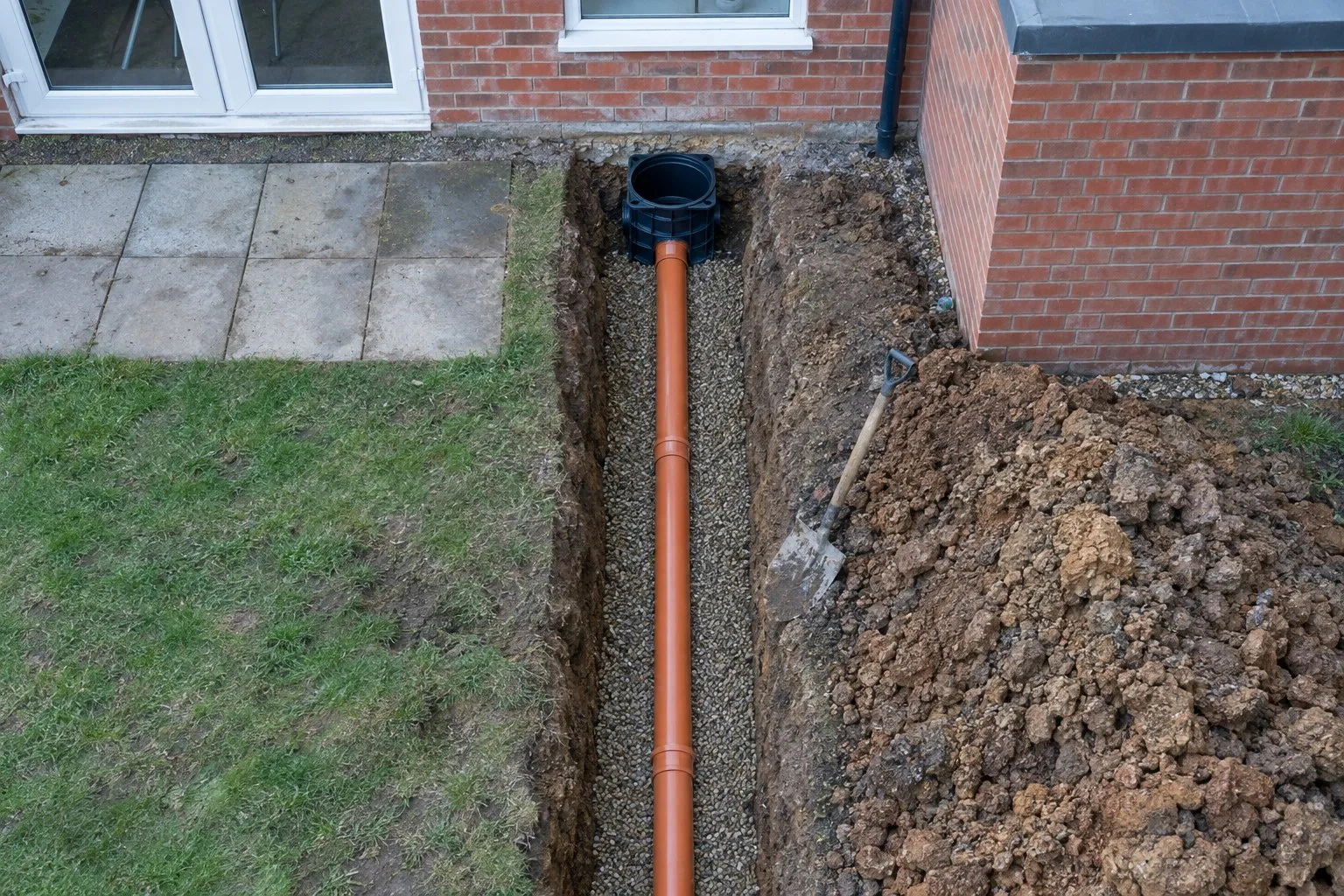
When the inspector has not come before the pour
Once the concrete is poured, the bottom of a foundation trench can only be inspected again by breaking it out.
The attendance pages read, including Richmond upon Thames and Royal Greenwich, give no procedure for a builder who notifies, receives no visit and then covers the work. On the council route, regulation 16(2) still requires notification in accordance with the written notice. Regulation 16(3)(b)(ii) allows that notice to specify “a period during which the work concerned must not be covered up”.
Your practical record needs the notification time and channel, its recipient and any response. If the visit will miss the pour, ask the body in writing what to do before you cover the work. Keeping that correspondence cannot guarantee acceptance if you cover the work.
Where the required start or stage notice was never given, regulation 16(6) allows the council to require covered work to be opened.
Photographs in place of a visit, where the body agrees
Your building control inspector decides what evidence is needed for the stage.
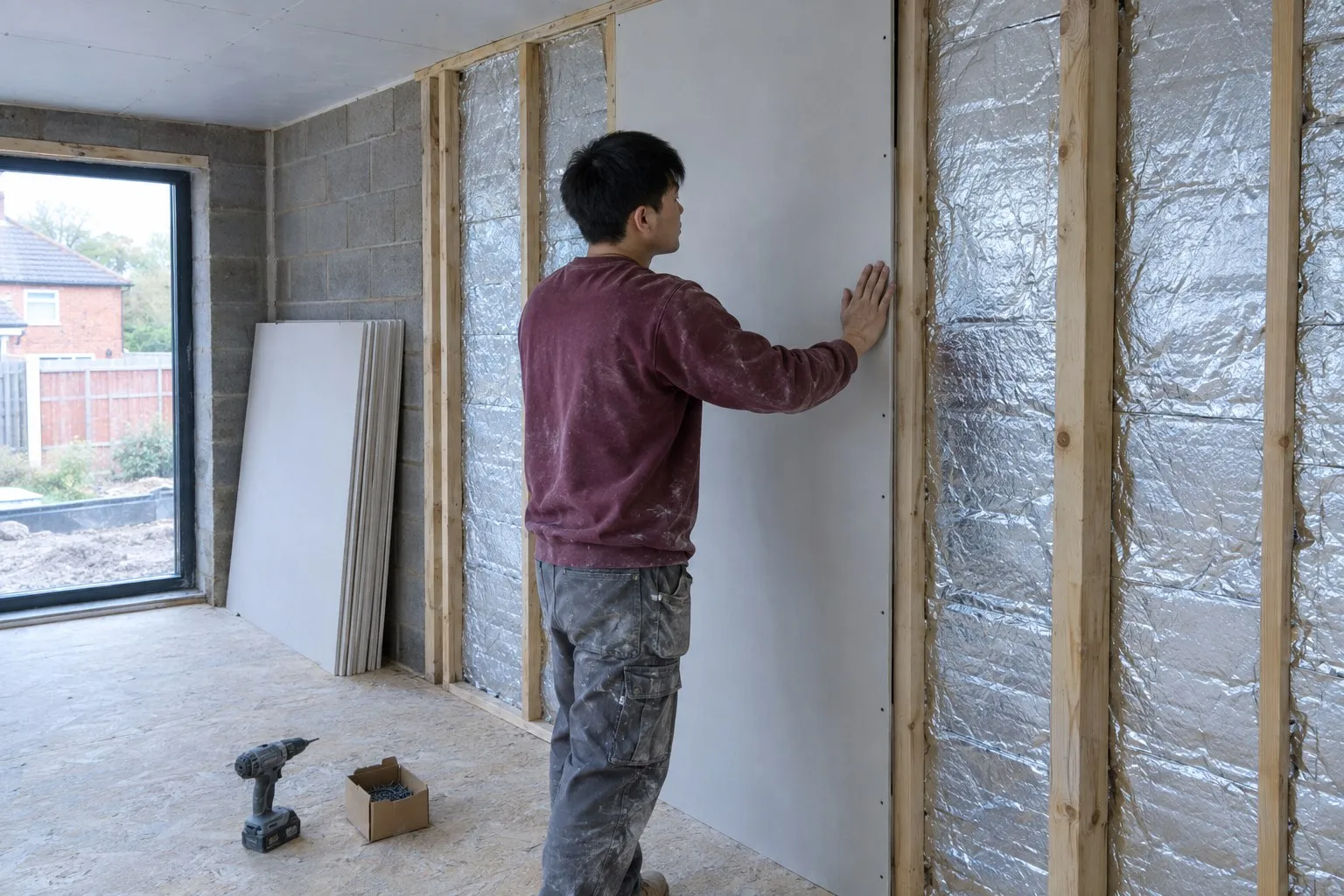
Stroma’s Inspection Notification Framework allows remote inspection, including by photographs, where the nature of the work permits. Royal Greenwich will use photographs as an alternative to a site inspection only if the case officer agrees to accept them.
Spelthorne’s February 2026 framework says foundation excavations and drains before covering on extensions “will always be inspected”. The same framework says inspections “may be carried out on site or remotely (via photographs/video)”.
The Operational Standards Rules published on GOV.UK, the rules every building control body in England must follow, require inspection evidence to be date/time marked and images to be geo-tagged under rule 3.10. The rule addresses the body, whether a council or registered approver. A body asking you for photographs can pass the requirement on to you.
Bracknell Forest does: its policy requires the date and time, plus the exact location, printed directly on the image. Before you send photographs, check what your body asks for on the image. When photographs are requested, Bracknell directs you to email them. Its mailbox limit is 30MB, so submissions may need several emails. Text or WhatsApp needs specific permission.
Castle Point and Runnymede list the LABC app as a booking route. Bracknell’s route for requested photographic evidence is email. Your booking confirmation and your evidence submission have different jobs.
The photo-policy sample also comes from search results. Its categories overlap: a body can describe accepting photographs and require location information on them.

The applicant must receive the inspection report
A drain connection was central to the ombudsman’s Bradford decision, case 22 016 722. The council had recorded that a follow-up inspection was necessary, then approved the work without evidence that the visit happened. The ombudsman found fault.
The Operational Standards Rules require reports for every inspection, “both site-based and remote”, under rule 3.8. Rule 3.9 requires supporting evidence of what was inspected and how.
Rule 3.11 requires the body to provide the report to the building control applicant as soon as possible after inspection. The current owner must also receive it on request.
Rule 3.12 separately requires all reasonable steps to record inspection reports within five working days. The deadline concerns the body’s own recording. Delivery to the applicant remains due as soon as possible under rule 3.11.
Ask for the report if it does not arrive, and keep it with the notice and booking record in your job file as part of running the business.
None of the bodies in the photo-policy sample publishes a list of stages where a photograph cannot replace a visit. Stage notification remains due even when a photograph follows: under regulation 16(2) on the council route, and under the approver’s framework on the private route. East Hampshire says its surveyor, the inspector handling your job, tells you what is required after you notify the stage. Bracknell Forest says sending photographs “does not imply approval” and tells you to seek approval from your surveyor after submitting them: a photograph sent is not a photograph approved. Of the 12 photo policies read on 6 October 2026, 5 accept photographs in some cases, 7 ask for the date, time and location on the image, and 3 never mention photographs.

Trade resources for tradespeople, straight to your inbox.
Occasionally we will send you a newsletter. Free, unsubscribe in one click.
Keep reading
Is it worth taking on an apprentice? Yes, if they stay past qualifying
An apprentice can repay the investment, but the available British model puts recovery after qualification. What they produce matters, and so does the time your engineer spends teaching them.
NICEIC or NAPIT: first-year cost, renewal and per-job charges
NICEIC's £834 covers application and 12 months' certification. NAPIT's £786 covers application and initial assessment, with no published annual fee or confirmation that it is included. Both include VAT. The prices are not like for like.
Building regs for boiler replacement: what goes on your Gas Safe notification
You notify the boiler and its controls through Gas Safe. A new chimney liner or electrical circuit takes another route. An unvented cylinder depends on the scope of your registration.