
CIS penalties: you could pay for a connected party's deliberate non-compliance
Construction payments or CIS credits linked to a connected party's deliberate non-compliance can expose your business to a penalty if you knew or should have known of the link and HMRC has issued the relevant determination. Company officers can also be personally liable.

If your business pays for construction work, or claims a CIS credit on a return, you can face CIS penalties for a connected party’s deliberate non-compliance where you knew, or should have known, about it. That covers payments made, or CIS credits claimed, after 6 April 2026. HMRC set out the rule in factsheet CC/FS96 on 15 September 2026.
This is now part of running the business day to day: HMRC can bill you for someone else’s cheating. Not for missing it by bad luck, but for looking the other way when you had reason not to.
The penalty is 30% of the amount HMRC determines under section 62A or 62B of the Finance Act 2004, before any reduction, and it falls on that determined amount rather than on the full construction invoice. HMRC says factsheets are for guidance only and reflect its position at the time of writing, so the document explains the rules rather than creating them.
CIS penalties depend on the link and what you knew
For this factsheet, “deliberate non-compliance” means a person or business deliberately failing to meet their CIS or PAYE obligations. A “connected party” is anyone within the immediate construction contract, or other contacts tied to the same construction operations.
Working in construction, or making construction payments, does not by itself make you liable. A penalty only arises where you made a payment or claimed a CIS credit and knew, or should have known, it was linked to a connected party’s deliberate non-compliance.
In HMRC’s own example, a £1,000 determination produces a £300 penalty.
HMRC may then reduce the penalty depending on the facts of your case. It weighs full and meaningful admissions that save it time, acceptance of its findings, and early cooperation. Cooperating promptly earns a bigger reduction than leaving it late.

Company officers can be made to pay personally
These CIS penalties do not always stop at the company. As a company officer, you could have to pay some or all of the company’s penalty. Both conditions must be met: the company is liable to a penalty on the determined amount, and the actions that led to it are attributable to you.
If the company pays the penalty in full, HMRC will not ask individual officers to pay. Where several officers are liable, it may divide the penalty between them according to their involvement. Its notice of penalty determination sets out the amount, how it was worked out, how to pay and what to do if you disagree.
Before making you personally liable, HMRC will tell you it is considering it and let you explain why you should not pay, or how much. If a liability decision notice follows, you have 30 days to pay or to appeal your liability or the amount attributed to you.
The factsheet stops short of the detail you would want: no fixed test for what you “should have known”, no reduction percentages, no checklist. You are left to show your own working.
HMRC’s advice is blunt: review the assurance and due diligence checks you run on who you work with, and consider strengthening them to reduce your exposure to fraud and risk. The job today is smaller than the statute sounds: know who you are paying and who is paying you, and keep the checks that prove you looked.

Trade resources for tradespeople, straight to your inbox.
Occasionally we will send you a newsletter. Free, unsubscribe in one click.
Keep reading
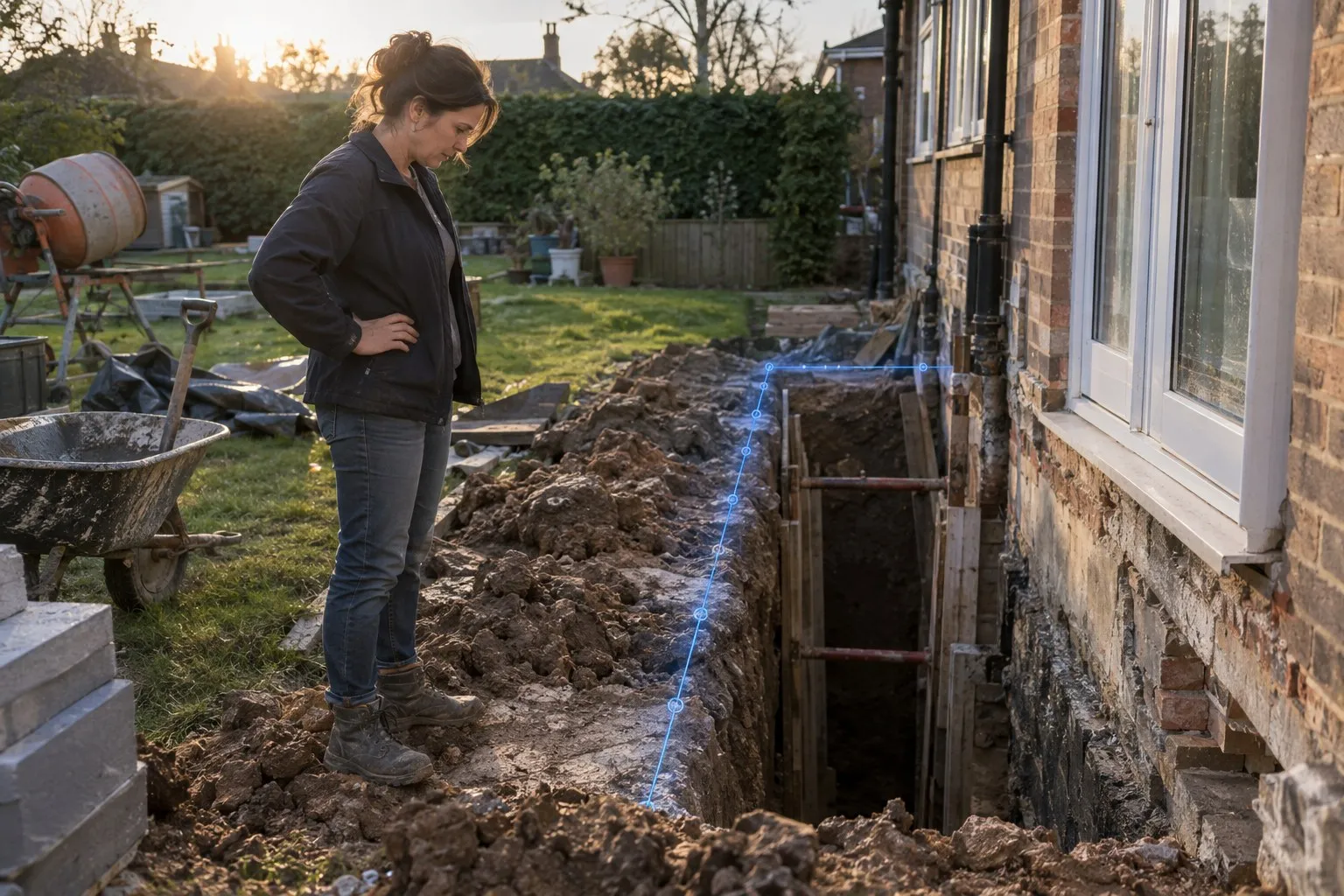
Trench collapse prosecution: director jailed after house extension death
Peter Clifford was jailed for eight years, Construction Management reports. The excavation ran beside a conservatory on a house extension, with inadequate trench support and the home's foundations close by.

Lifting operations planning: a £230,000 fine after a business took over unloading
Smith & Nephew took over unloading from Nippon Express to cut numbers on site during COVID-19. A delivery worker suffered life-changing injuries. HSE found the lift was not properly assessed, planned or supervised.
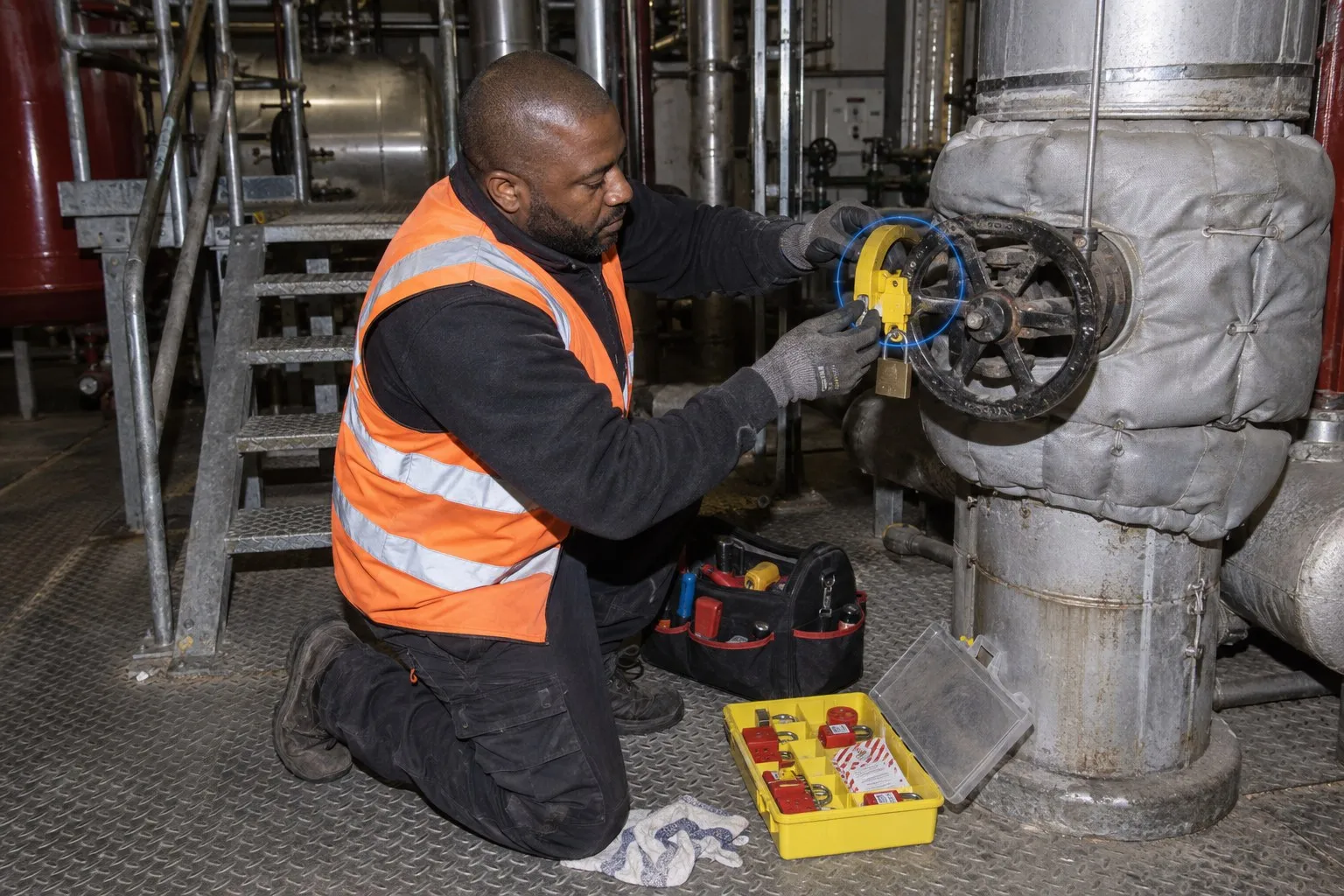
A factory skipped steam pipe isolation and was fined £594,000 after two men were scalded
Two men were replacing a leaking gasket when hot water splashed from the steam pipework. Nobody had proved the pipe was isolated, and HSE found failures in the safe system of work, in supervision, and in the work at height above the boiler.