EAS requirements: staff on PV, EV and inspection work need Level 3, Electrical Times reports
Electrical Times says scheme-registered businesses need individually qualified staff for solar, storage, EV charging, micro wind and inspection work. The page is a promotional feature for a training provider, and it leaves out which qualifications count.
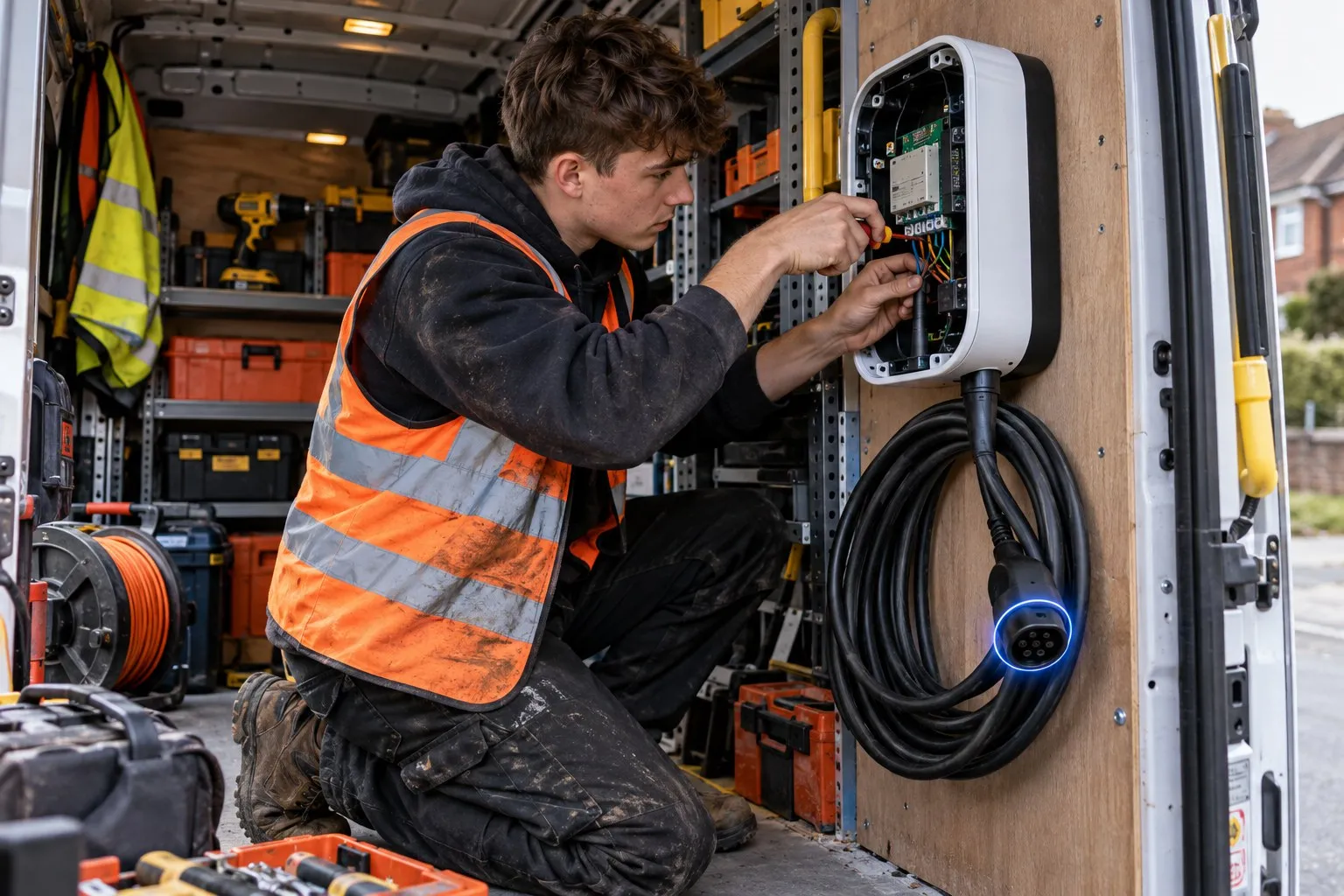
Your scheme registration may no longer cover you on its own. According to Electrical Times, from 1 October 2026 staff doing certain jobs for businesses registered with NICEIC, NAPIT, ECA or SELECT have to show formal individual Level 3 qualifications. The jobs it lists under the changed EAS requirements are solar PV, electrical energy storage, EV charging, micro wind, and periodic inspection and testing.
Read the label before you book anyone on a course. The Electrical Times piece, published on 9 November 2026 under the byline “electime”, sits under “Promotional Features” and advertises training from CEF TechTraining. A course offer isn’t independent evidence of the requirement.
What counts, on this reading, is the certificate held by the person you send to the job, not just the name on your scheme’s paperwork. That changes who you can put where on the rota, and what you look for when hiring and taking on apprentices. The feature doesn’t say which members of your team need which award.

What the EAS requirements piece leaves out
The feature can’t quite decide when this starts. Its introduction says registered businesses “may soon need” to show individual Level 3 competency, and Electrical Times refers in the same breath to an “October 1st implementation date”. Further down, the piece treats the rule as already in force.
Electrical Times describes the change as a shift from relying solely on the Qualified Supervisor model towards formal recognition of individual competence. It doesn’t say the supervisor role has gone.
What the piece leaves out is the part you’d need to act on. CEF’s course catalogue is the only qualification list on the page. There’s nothing on which qualifications your scheme accepts, whether experience or an assessment can stand in for one, or what transition arrangements apply. Nor does it say how staff you already employ are treated compared with new starters, or whether a business applying to join is in a different position from one already registered. It doesn’t mention any penalty.
Whether you’re with NICEIC or NAPIT, ECA or SELECT, your scheme is the one that can tell you what this means for your registration. Electrical Times doesn’t say the rules are the same at every scheme it names.
Check staff certificates with your scheme before booking a course
Nothing in the report says every affected worker needs a new course. Whether you’re weighing up fast track electrician courses for a new entrant or more training for someone already on the books, an advert isn’t proof of what your scheme will accept.
The electrician who has fitted chargers for years may already hold what’s needed. The new starter with a fresh certificate may hold a different award from the one your scheme wants. Only the scheme can say which is which for the work you do.
The question for your scheme is short: for each job your staff do, which qualification counts, and do the certificates they already hold meet it? Until it answers, taking someone off the tools for a course is a guess.

Trade resources for tradespeople, straight to your inbox.
Occasionally we will send you a newsletter. Free, unsubscribe in one click.
Keep reading
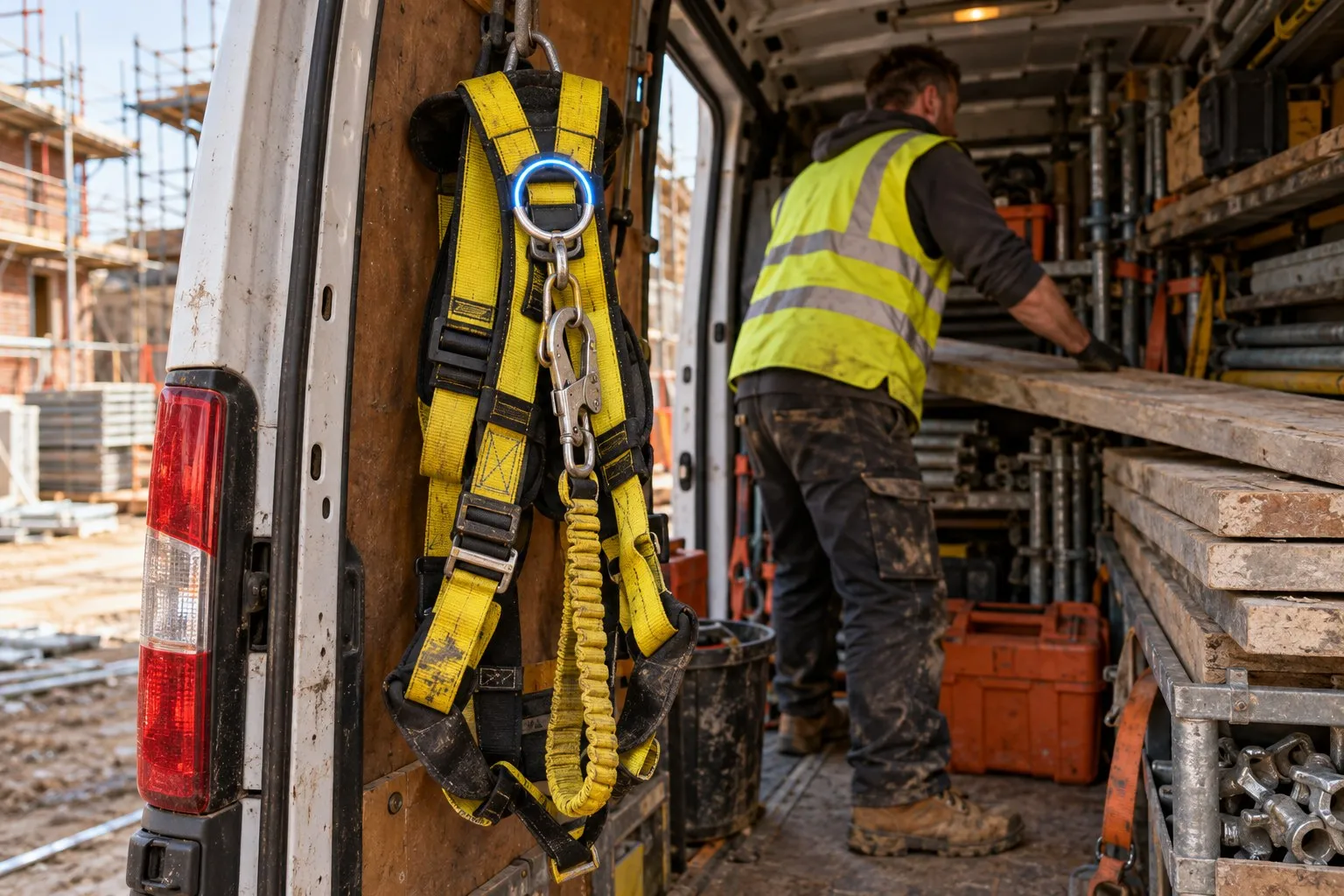
Scaffolding company fined £16,000 after a trainee's fall: neither scaffolder was clipped on
Michael Swales died after falling five metres from a scaffold he was helping to put up. HSE found no safe zones, and neither he nor his colleague was using a harness or lanyard. The guidance it points to covers exactly that stage of the job.

UK average salary: full-time median pay hits £811.20 a week, a 2.7% rise after inflation
Provisional ONS figures put full-time median weekly earnings at £811.20 in April, up 5.8%, or 2.7% after inflation. For a pay review, the useful comparison is someone doing similar work near you.

Plant training standards: tower crane and supervisor courses move back to phase 5
CITB has confirmed the plant training groups due for an update in early 2027. Tower cranes and lifting supervisor training have moved into this phase from the last one, alongside earthworks, cranes and demolition plant.