
Building control charges: new rules let councils bill for advice and private approver paperwork
New rules in England let councils charge for advice that used to start with a free hour, for checking private approvers' paperwork and for enforcement work. Each council sets its prices, in a scheme that has to be online before it applies.

Building control charges in England are set to cover more of what councils do, including advice that used to come with a free first hour and the paperwork private approvers lodge. Most of the new rules take effect on 6 November 2026. What you actually pay is set by your own council, in a charging scheme it has to put online before it applies.
The Ministry of Housing, Communities and Local Government (MHCLG) confirmed the change in a letter dated 16 October 2026. In September the ministry said it wanted to widen building control fees, and the regulations, S.I. 2026/1094, were laid before Parliament on 15 October 2026.
A council charge nobody spotted is a small line on a quote, and when you’re running the business on tight margins those are the lines that bite.
Building control advice will no longer start with a free hour
The change most owners will notice is advice. Until now, the first hour of advice a council gave about a case had to be free. Under the new rules, advice you ask for can be charged where it’s about work the council will later be checking. An early call before you start could become a cost to allow for.
Work needed only for disabled people in an existing building open to the public can be charged for too. The same kind of work in an existing home stays free.
Enforcement work is on the list too: notices about dangerous or ruinous buildings and neglected sites, demolition, chasing compliance and imposing sanctions. The list is about what the council can recover for that work, not about the fines themselves.
Private approvers will pay the council for their paperwork
If a private registered building control approver signs off your job, they’ll pay the council a charge each time they lodge a notice or certificate. The council can charge for considering the documents and deciding whether to accept or reject them.
Forms will carry confirmation of payment, and a council can turn the paperwork away if it isn’t paid. To keep the money, it has to tell the approver its decision within the required time.
Whether your approver passes that on to you or your client comes down to your contract with them. The circular doesn’t say.
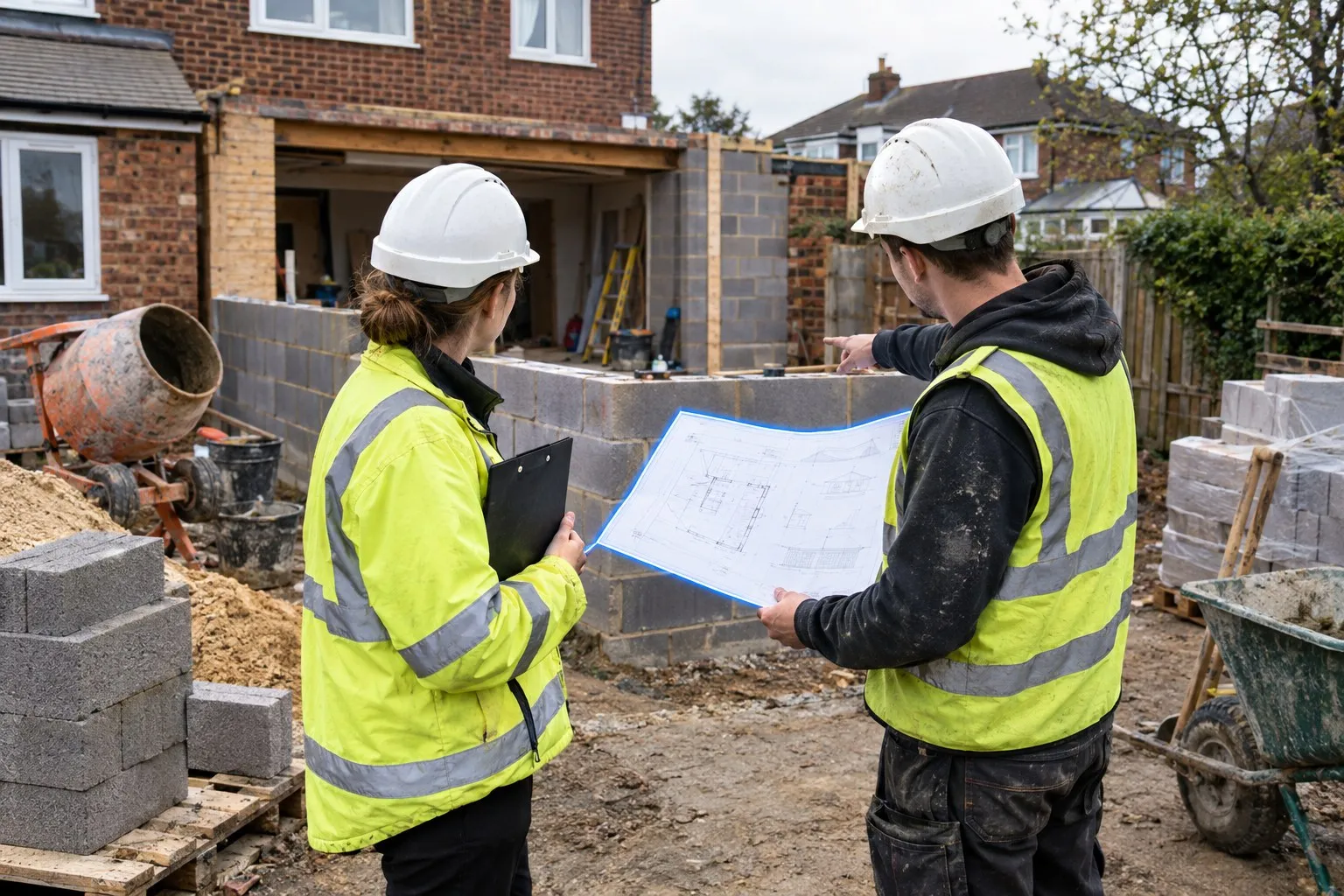
Building control charges depend on a scheme your council publishes
No new prices come with the change. Each council sets its own fees in a charging scheme, which must be online at least seven days before it takes effect. Councils can publish new schemes before 6 November, and until they do, the old ones stay in force.

Most of the rules start on 6 November 2026. One provision, regulation 11, starts later: 24 March 2027, or 24 September 2027 for higher-risk buildings. The circular doesn’t say what it covers. In Wales, the 2010 charging regulations stay in force.
The fee can also cover more than an officer’s time: a reasonable share of the council’s overheads, depreciation and the cost of capital. Each council will have to publish yearly statements online showing what it took in charges against what the service cost, including any surplus or deficit.
For an extension, how much building control costs already varies between councils, and any rise will show up in the scheme each one publishes. If you’re pricing a job that won’t reach building control until after 6 November, look up your council’s charging page before the quote goes out.

Trade resources for tradespeople, straight to your inbox.
Occasionally we will send you a newsletter. Free, unsubscribe in one click.
Keep reading
Diesel price rise: £2 pumps in 559 constituencies, Electrical Times reports
Diesel is up 35.2p a litre since July and past the RAC's 2022 record, Electrical Times reports. If you priced jobs before the rise, the fuel line on those quotes may be short.
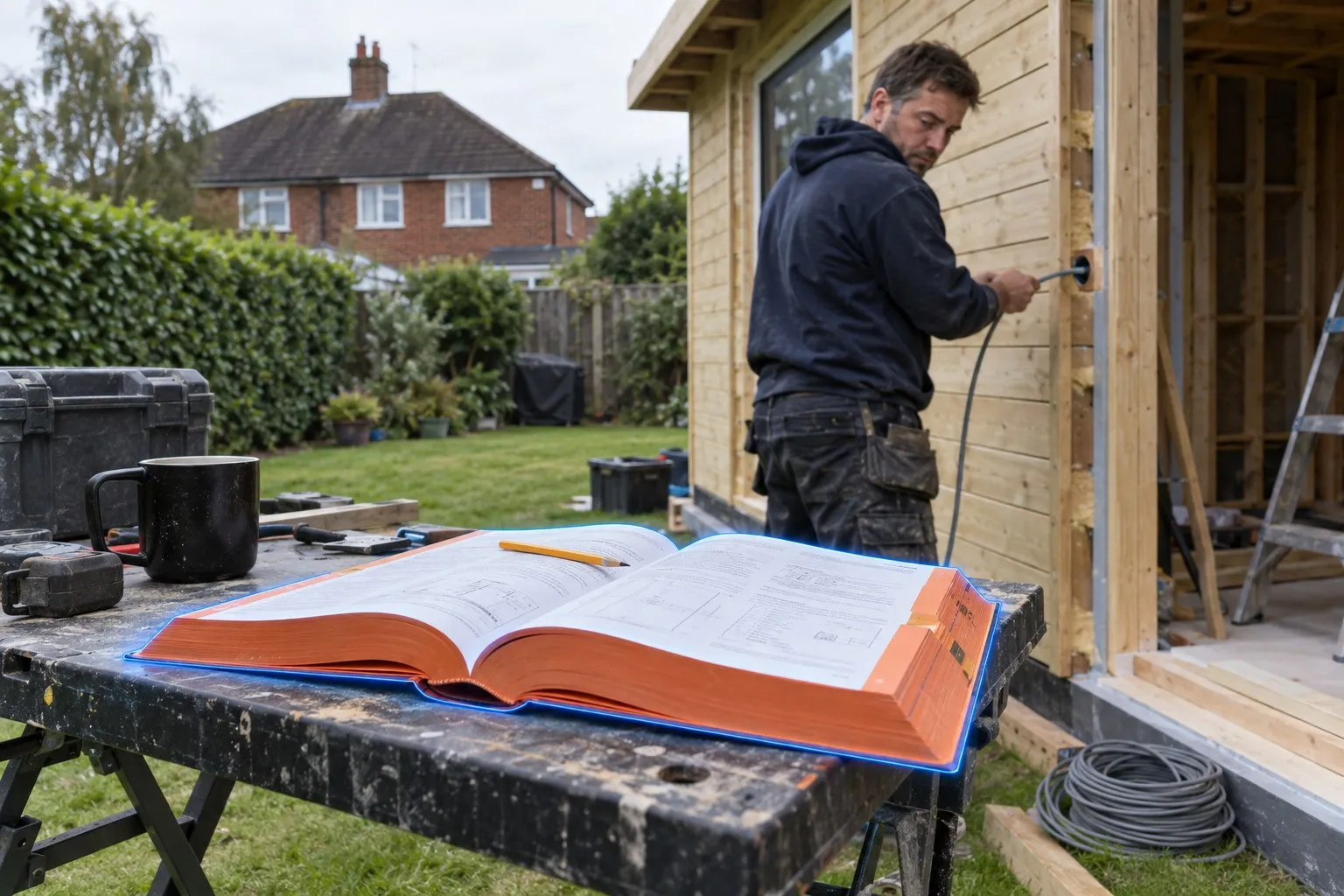
BS 7671 Amendment 4 is now the only current version: live jobs depend on the contract, ECN reports
From 15 October, new installations must follow BS 7671 Amendment 4, Electrical Contracting News reports. Citing SELECT, it says a job designed to the old version may be finished to it if the contract allows. Of the forms, the EICR changes most.
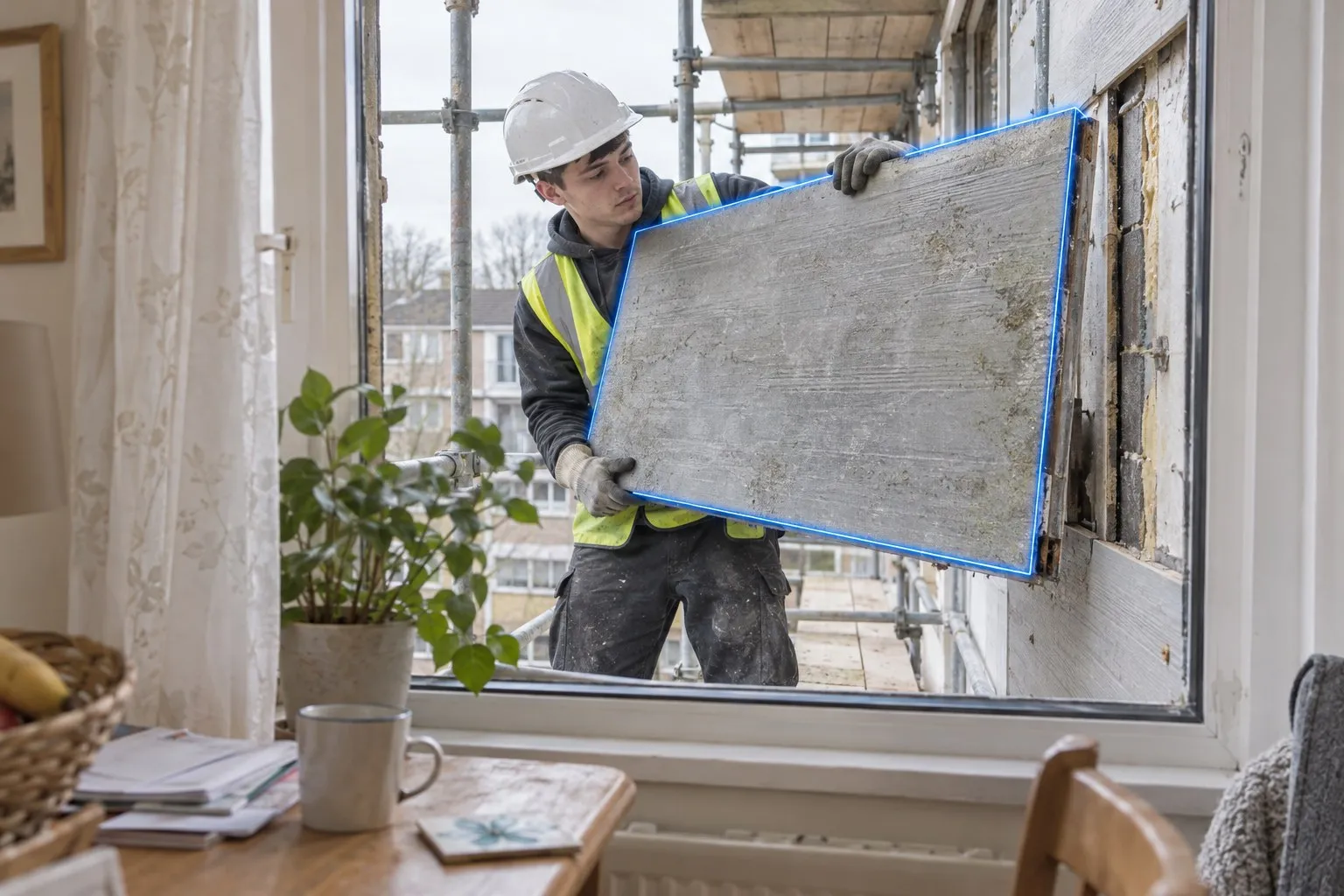
Cladding remediation bill reaches Parliament: contractors who paid could chase the manufacturer
A bill introduced on 14 October would make freeholders and others responsible for building safety fix unsafe cladding without delay, with fines of up to £500,000 for ignoring a Remediation Order. Contractors who have already paid for the work would get a simpler claim against the manufacturer.