
Building safety levy: lawyers warn some housing schemes may no longer add up
The levy has applied to larger housing schemes since 1 October, Construction Management reports, and the lawyers it quoted say some may need rethinking. If your crews are booked on one, it's the start date that could move.

The building safety levy has applied to larger housing schemes since 1 October 2026, Construction Management (CIOB) reports, and lawyers are warning that some of those schemes may no longer add up. If your crews are booked on one, the date to watch is the start date.
Construction Management (CIOB) managing editor Phil Clark wrote that the new tax applies to “major developments of more than 10 dwellings or 30 student beds”, so on that description it’s blocks of flats and student halls that are caught, not the extension you’re quoting next week. Which applications are caught comes down to the detail, such as the building safety levy exclusion for building notices.
Construction Management (CIOB) also says the levy aims to raise an estimated £3.4bn for the government’s historical building safety and cladding remediation programmes.
Nothing in Construction Management’s report puts the levy on a contractor. Andrew McEwan, a commercial real estate partner at Forsters, is quoted in it saying the levy is triggered at the building control stage of a scheme and not at planning consent. What it can do is squeeze a developer’s budget, and a squeezed budget is how start dates slip. When you’re running the business on forward work from housing developers, that’s the risk to watch.
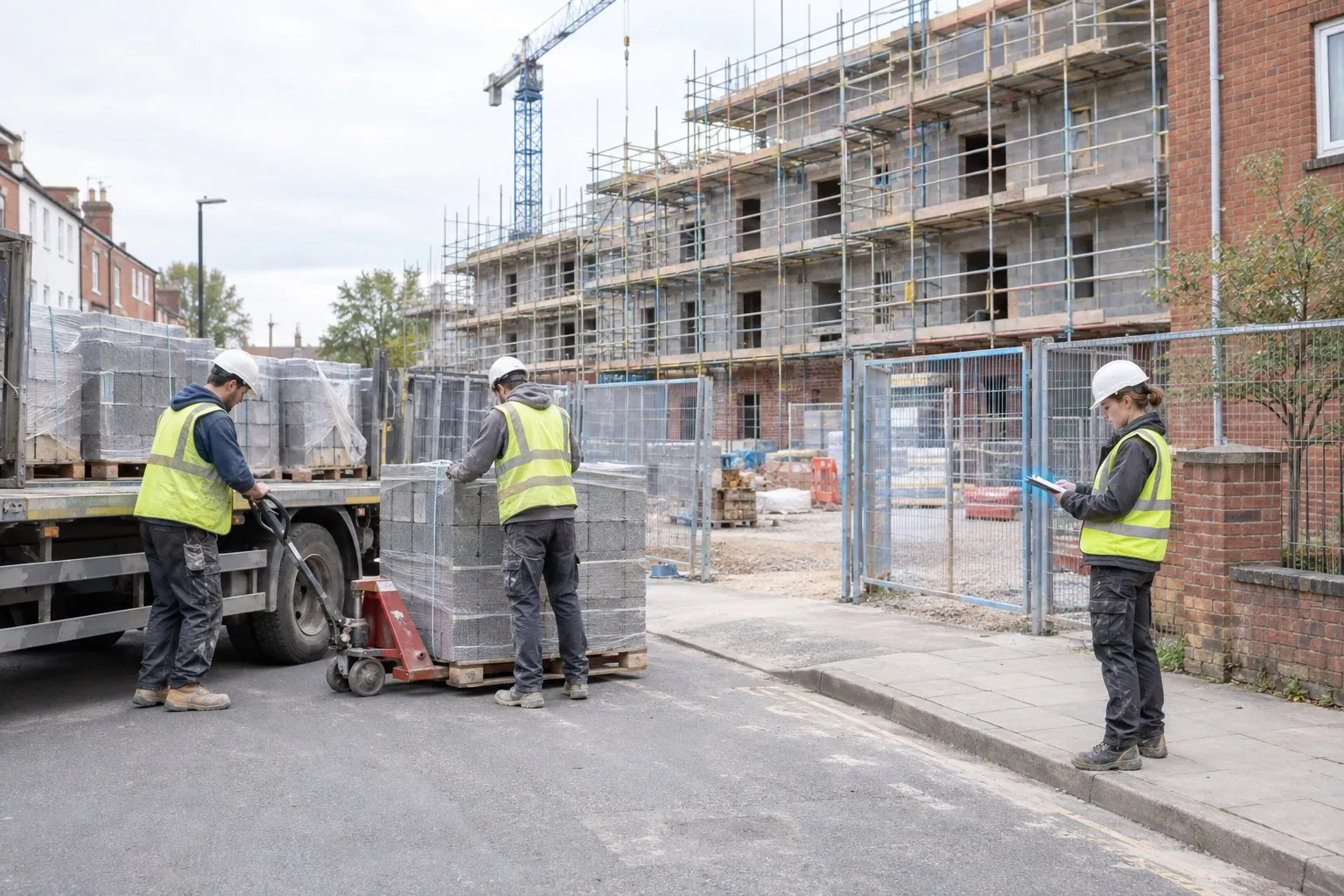
Why the building safety levy could stall some schemes
That timing is why McEwan thinks some schemes may need to revisit their viability assessments. In plain terms, a scheme bought and costed before the levy may now carry a cost that wasn’t in the sums.
Over time the market will need to price the levy into valuations, he said, but that can’t change the economics of sites already acquired. If projects are delayed or no longer stack up, he warned, the lost pipeline would cut both what the levy raises and the homes that get built.
James Morris, a construction litigation partner at Mayer Brown, asked “whether another cost on residential development comes at the wrong time for an industry already facing significant pressure on multiple fronts”.
Law practice Tees expects the effects to reach commercial property too, through mixed-use developments, urban regeneration and the conversion of commercial buildings into homes. If your work is on mixed-use jobs or commercial buildings being turned into homes, that’s where it could reach your diary.
A developer’s cash squeeze can become your programme problem
Pocket Living chief executive Paul Rickard described the timing that worries developers: the tax falls due towards the end of a scheme, before a home is sold and the developer has any money in to pay it. Pocket Living is a developer, so that’s its side of the argument.
The company has also asked for an emergency exemption, “especially for SMEs”, until the housing delivery crisis is over. Construction Management reports that as a request, not an exemption.
Rates and the calculation basis aren’t in Construction Management’s account, so check them with the developer rather than guessing.
If you’ve got crews pencilled in on a block of flats or student halls, ring the developer and ask whether the start date still stands. Better to hear it now than the week before you’re due on site.

Trade resources for tradespeople, straight to your inbox.
Occasionally we will send you a newsletter. Free, unsubscribe in one click.
Keep reading
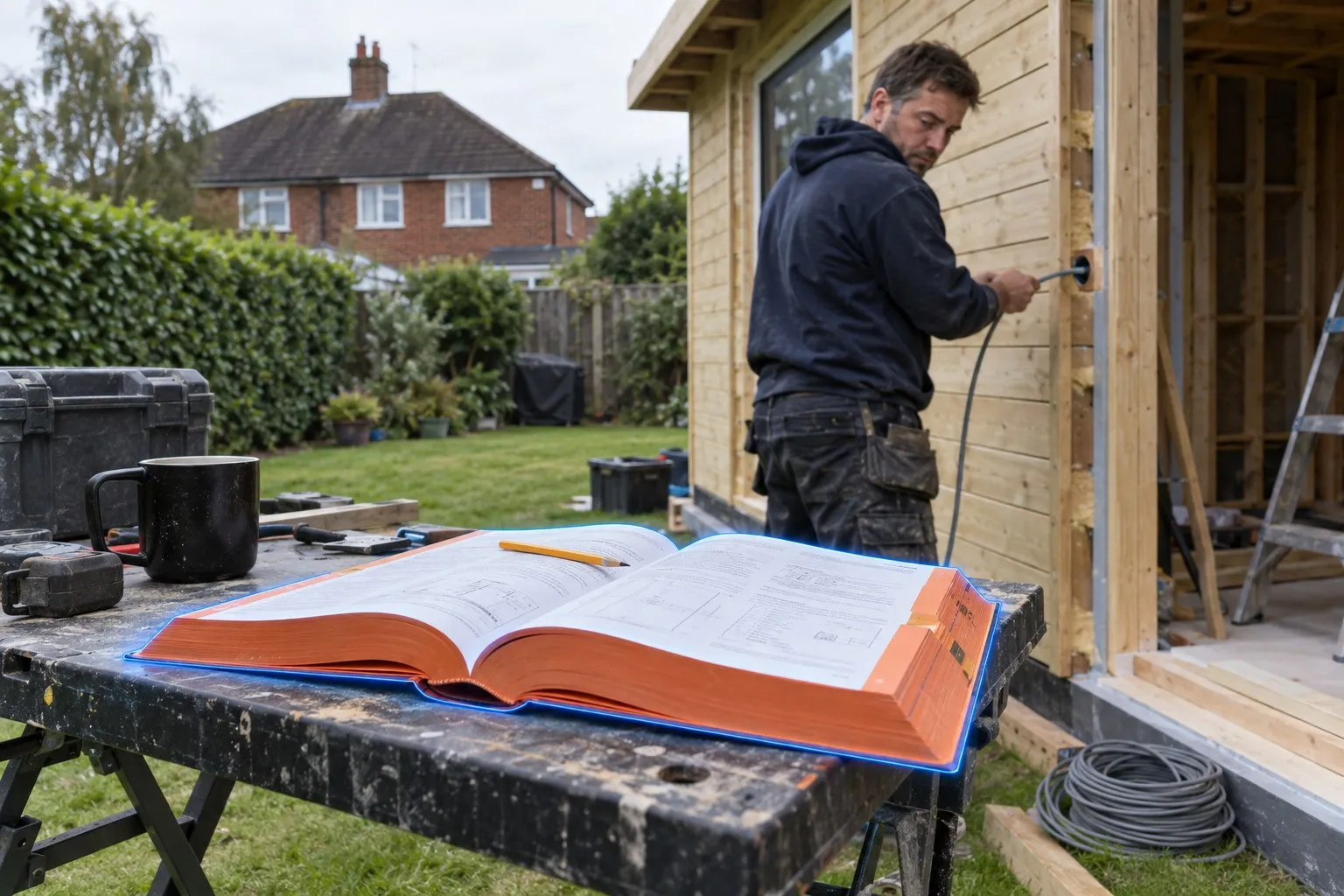
BS 7671 Amendment 4 is now the only current version: live jobs depend on the contract, ECN reports
From 15 October, new installations must follow BS 7671 Amendment 4, Electrical Contracting News reports. Citing SELECT, it says a job designed to the old version may be finished to it if the contract allows. Of the forms, the EICR changes most.

Cladding remediation bill reaches Parliament: contractors who paid could chase the manufacturer
A bill introduced on 14 October would make freeholders and others responsible for building safety fix unsafe cladding without delay, with fines of up to £500,000 for ignoring a Remediation Order. Contractors who have already paid for the work would get a simpler claim against the manufacturer.
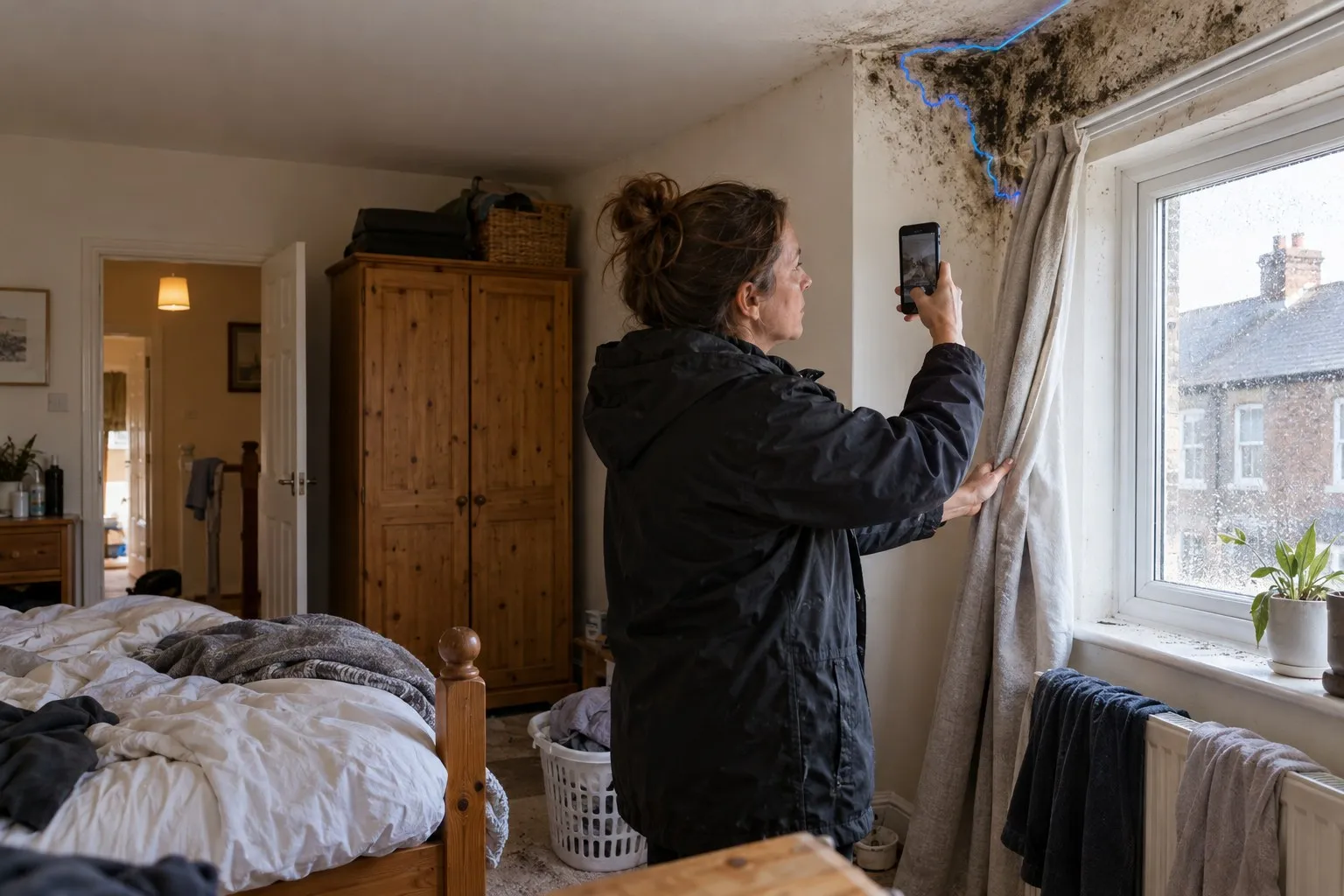
Awaab's Law private renters: consultation opens, no start date for repair deadlines
MHCLG wants private landlords in England held to legal deadlines for damp and mould repairs. How long they would get, and from when, is still to be decided. The consultation closes on 18 December 2026.