
Drugs and alcohol policy: CIOB publishes a free template for construction businesses without HR
Prompted by small construction employers without HR or legal teams: what counts as drugs and alcohol, what you expect, how testing works. CIOB also wants it to help staff struggling with addiction.
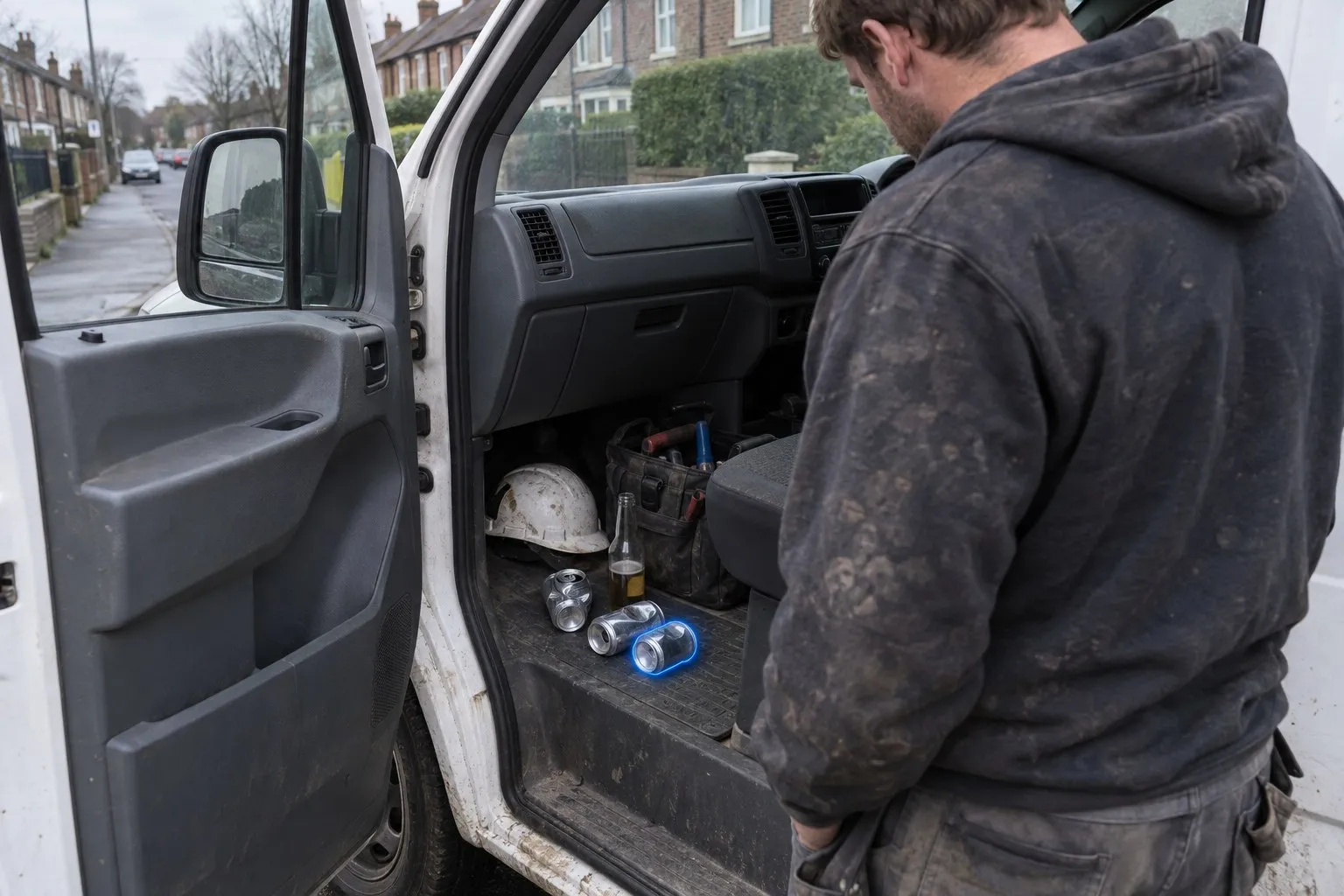
If one of your team turned up on site unfit to work tomorrow, would you know what you’re allowed to do about it? The Chartered Institute of Building (CIOB) says many leaders of small and medium-sized construction businesses feel ill-equipped to manage drug and alcohol impairment at work. On 6 October 2026 it published a free drugs and alcohol policy template to help them assess and manage that risk.
If you’re running the business without an HR team, the point is simple: decide the rules while everyone’s sober and nothing has happened. The morning you need them is too late. CIOB’s announcement does not say that using the template is a legal requirement, or that it makes your business compliant.
The drugs and alcohol template covers testing and consequences
Members of CIOB’s Health, Safety and Wellbeing Advisory Panel wrote it, with support from K2 Occupational Health.
The template defines what counts as drugs and alcohol, sets out what you expect of your staff and your managers, and covers how testing can be managed and what happens if someone doesn’t comply with the policy. Managers are named alongside employees, so the policy is more than a list of rules for the people on the tools.
Ben Powell, who chairs the panel, said most larger companies have expert HR and legal teams to draft and uphold policies like this. Many SMEs don’t, he said, so they find it difficult to test employees and manage issues effectively and consistently.
No HR department means that work lands on you, alongside flexible working requests and what you owe staff under sexual harassment law. A written line on drink and drugs is one more policy, and CIOB has done the first draft.
Powell said CIOB hoped companies of all sizes would have the confidence to set expectations, carry out appropriate checks, take action if problems arise and “properly support anyone struggling with addiction”.

CIOB wants RIDDOR to record drugs and alcohol in accidents
CIOB also wants RIDDOR, the rules on reporting workplace accidents, to require reporting of whether drugs or alcohol were involved, so the scale of the problem can be fully understood. For now that’s a request from the institute.
The detail is in the clauses you’ll have to read yourself
CIOB says the template can be downloaded free from its website. The announcement sets no minimum workforce size and doesn’t limit it to members.
What the announcement doesn’t show is the detail: testing limits, consent, what happens to someone who fails. It also doesn’t say whether the policy is meant to cover subcontractors and self-employed workers who come onto your site, or how to adapt the wording to your business. You’ll only see those when you open the template, and they’re the parts to read twice before you adopt it.
The template is a starting point. Before you hand it to your team, read what it says on testing, consent and consequences against how your business actually works. Then make sure you can explain to anyone on site what the policy expects of them, and what you’ll do if someone breaks it.

Trade resources for tradespeople, straight to your inbox.
Occasionally we will send you a newsletter. Free, unsubscribe in one click.
Keep reading
BS 7671 Amendment 4 is now the only current version: live jobs depend on the contract, ECN reports
From 15 October, new installations must follow BS 7671 Amendment 4, Electrical Contracting News reports. Citing SELECT, it says a job designed to the old version may be finished to it if the contract allows. Of the forms, the EICR changes most.
Cladding remediation bill reaches Parliament: contractors who paid could chase the manufacturer
A bill introduced on 14 October would make freeholders and others responsible for building safety fix unsafe cladding without delay, with fines of up to £500,000 for ignoring a Remediation Order. Contractors who have already paid for the work would get a simpler claim against the manufacturer.
Awaab's Law private renters: consultation opens, no start date for repair deadlines
MHCLG wants private landlords in England held to legal deadlines for damp and mould repairs. How long they would get, and from when, is still to be decided. The consultation closes on 18 December 2026.