
Grid connection delays: a new IDNO route, but no dates yet
Customers on independent networks can reportedly reach UK Power Networks' DERMS platform for the first time. For a qualifying solar, battery or EV job that is a possible route to a connection, not a promise of approval or an earlier completion date.
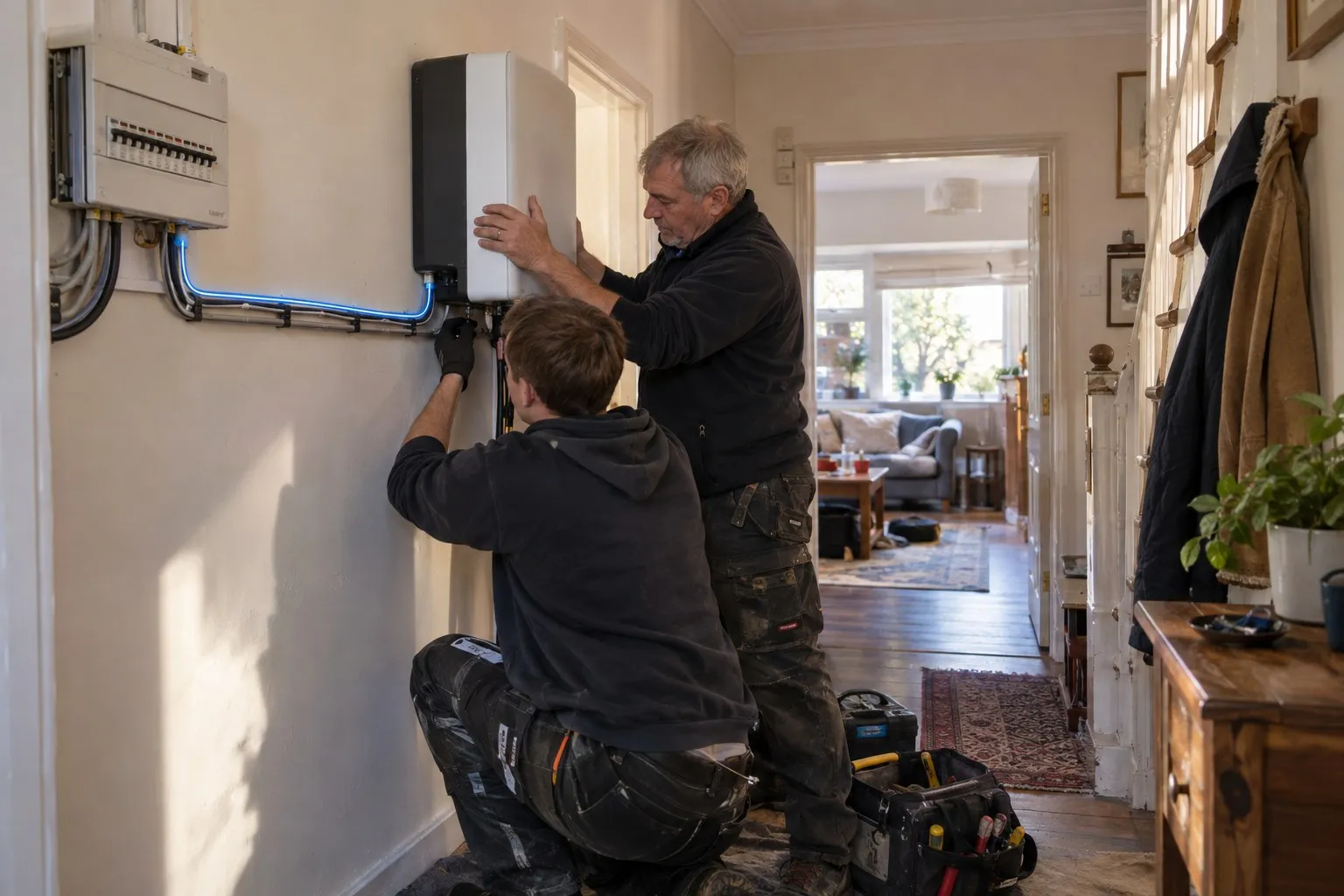
If your customer’s solar, battery or EV charging job sits on an independent electricity network, there may now be a second door to a grid connection. Electrical Contracting News reports that UK Power Networks has, for the first time, opened its DERMS platform to customers of Independent Distribution Network Operators, the smaller companies that own and run those local networks. For anyone whose projects keep stalling on grid connection delays, that is worth a look, though it changes nothing you can put on a programme yet.
Chasing a route like this is part of running the business, so it belongs in your project management planning alongside the work already booked. Electrical Contracting News describes DERMS, its Distributed Energy Resources Management System, as a platform that watches what each connected site is generating or drawing minute by minute and shuffles the load so the local network is not overwhelmed. Active management like that frees up capacity that would otherwise sit unused, the report says, and that is where the promise of a faster connection comes from.
The platform is built for the kit that pushes power into the grid or pulls it in bursts: solar arrays, battery storage and banks of EV chargers. The report presents those as examples of what the system supports, not as a checklist of what qualifies, so do not read them as a promise that every domestic install is covered. Whatever the network decides, the physical side of a domestic job still runs through its own building control route.
There is one worked example. Electrical Contracting News names GRIDSERVE’s EV charging hub at Cobham services, connected through the independent operator ESP Utilities Group, as the first fully flexible demand site to join an IDNO network. It uses that hub to show the platform can serve sites that draw power, not only those generating it.
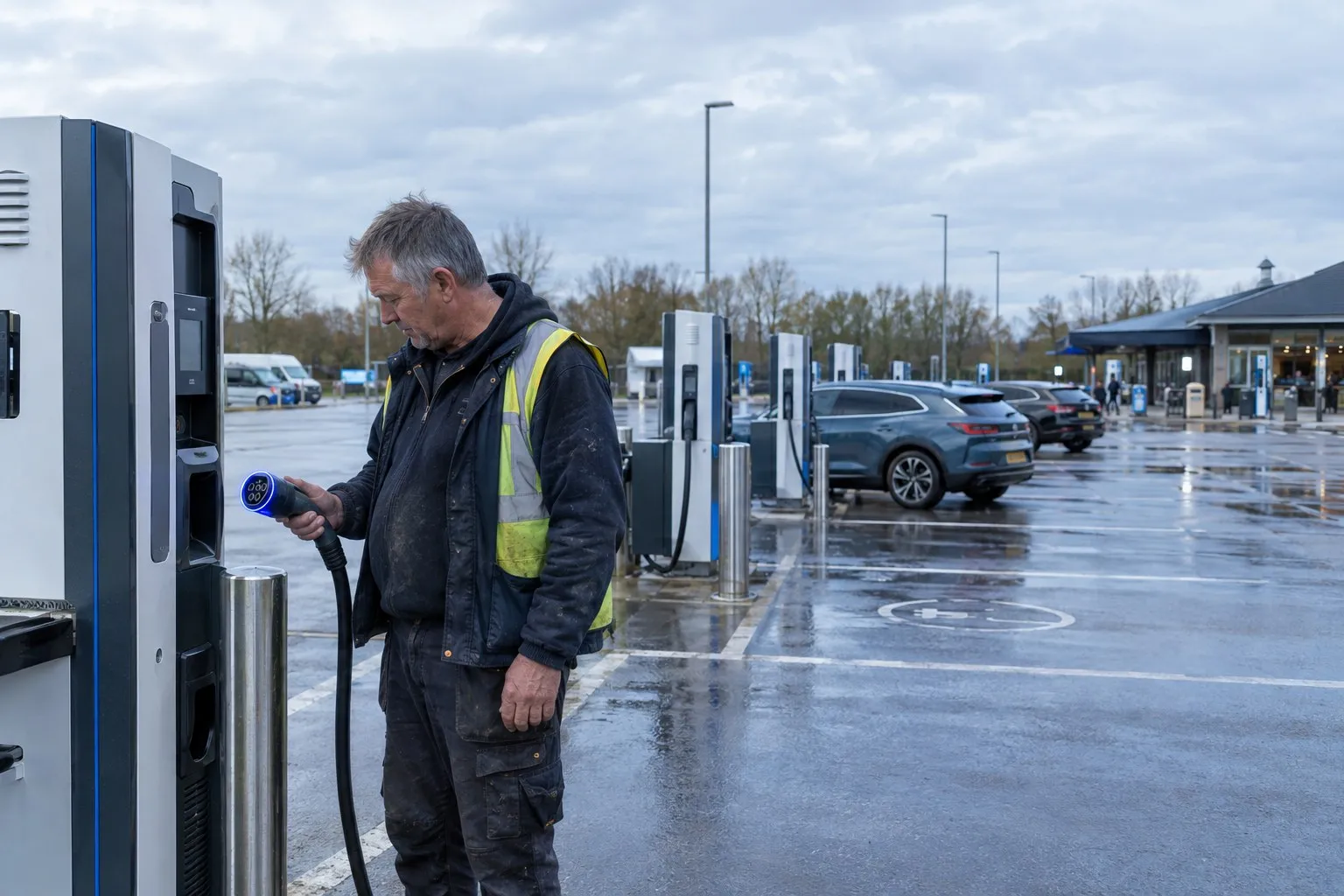
A new grid connection route, with no date attached
The benefits the report puts forward are greater flexibility, lower upfront costs and faster connections. Electrical Contracting News gives no measured cut in time or cost to back them, and reaching the platform is not the same as approval for your customer’s job. What it will not tell you yet: no live launch date, no list of which operators or territories are covered, and no eligible job sizes. Treat it as a lead to chase, not a route you can build a programme around.
What to check before you move any dates
If a customer’s site is on an independent network, it is worth a call to that operator to ask one plain thing: can this site reach UK Power Networks’ DERMS? A yes on eligibility still leaves the terms to settle, including what a flexible connection would ask of the customer once it is running. Until the operator says yes and puts a date on it, keep your existing programme dates where they are.

Trade resources for tradespeople, straight to your inbox.
Occasionally we will send you a newsletter. Free, unsubscribe in one click.
Keep reading
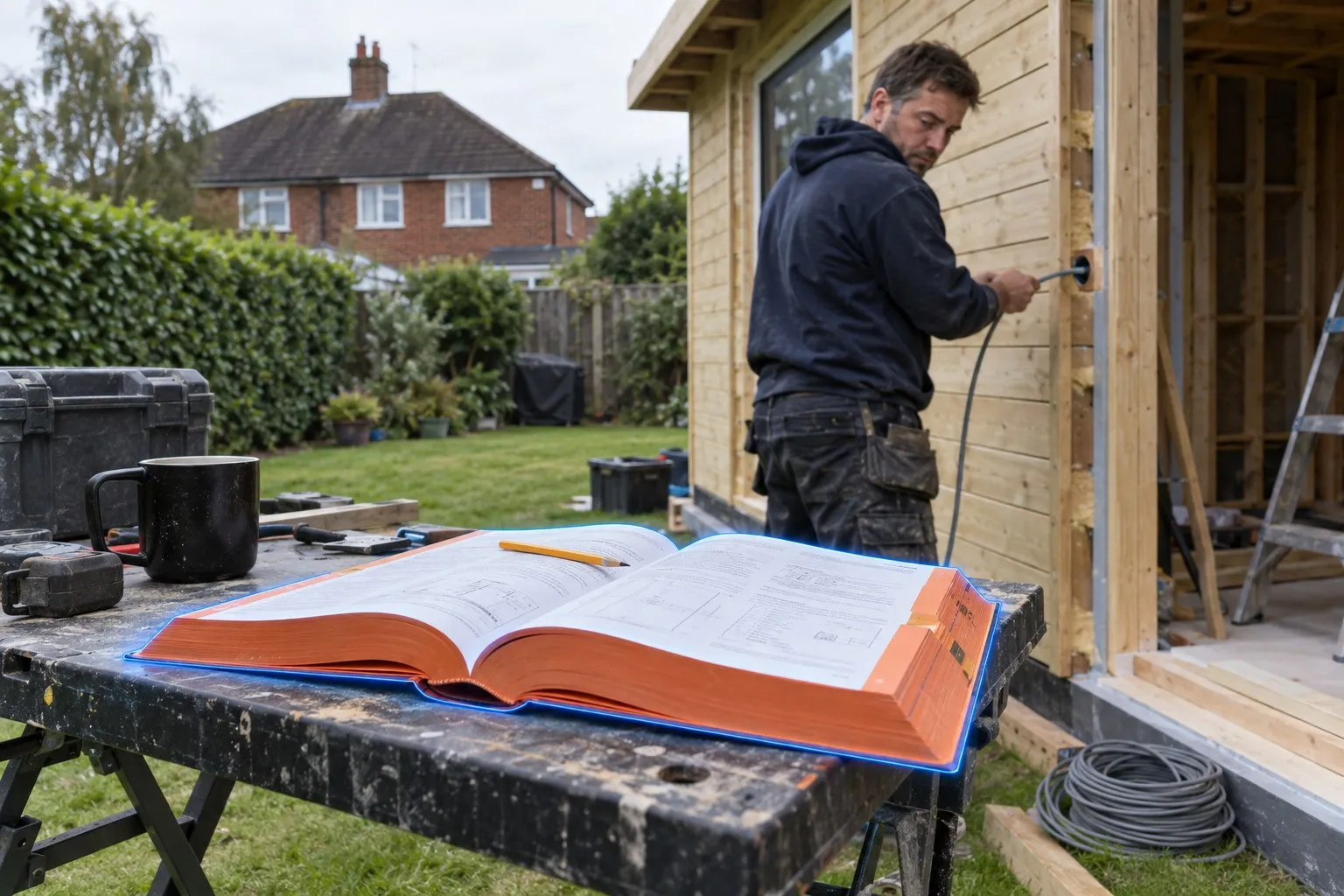
BS 7671 Amendment 4 is now the only current version: live jobs depend on the contract, ECN reports
From 15 October, new installations must follow BS 7671 Amendment 4, Electrical Contracting News reports. Citing SELECT, it says a job designed to the old version may be finished to it if the contract allows. Of the forms, the EICR changes most.
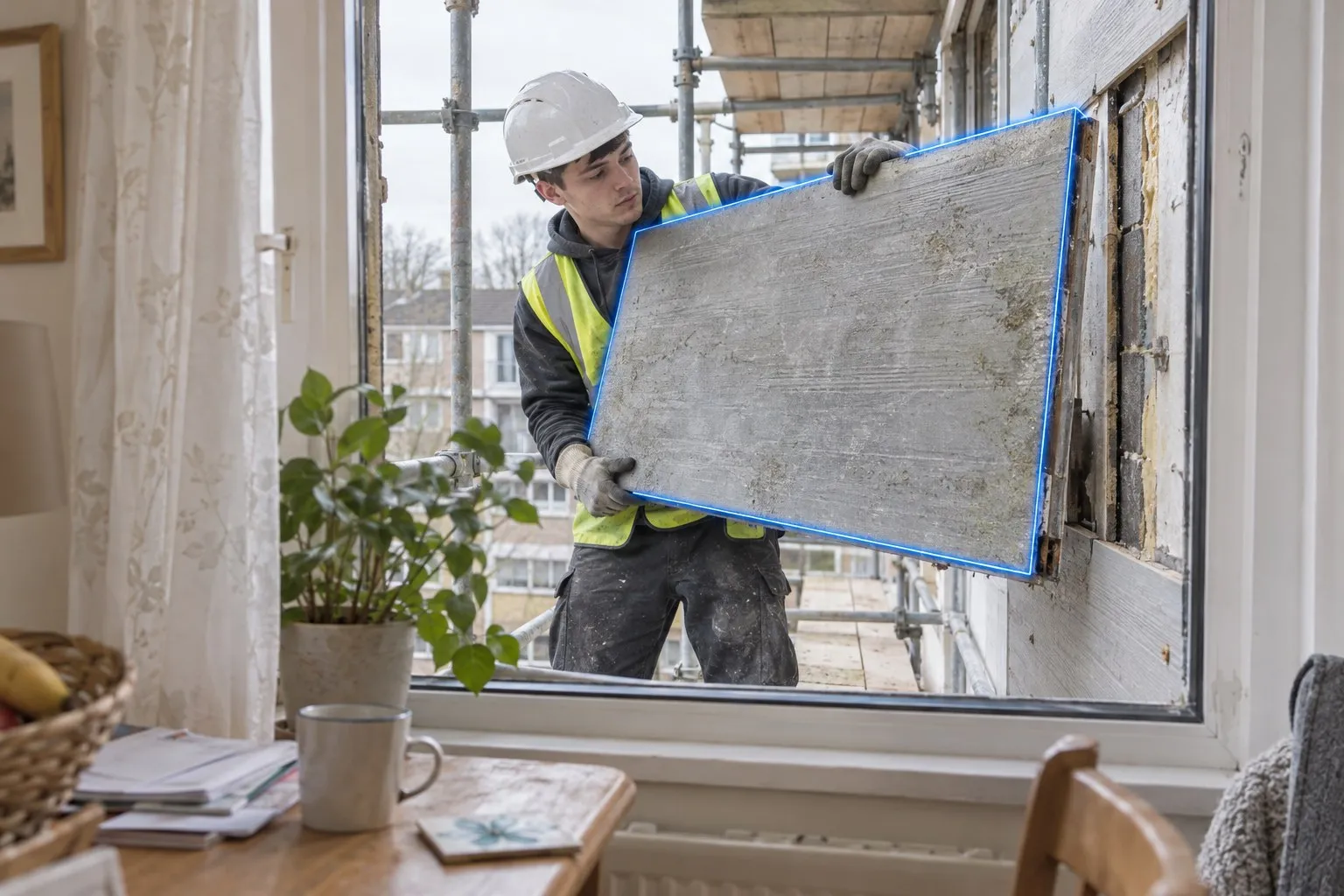
Cladding remediation bill reaches Parliament: contractors who paid could chase the manufacturer
A bill introduced on 14 October would make freeholders and others responsible for building safety fix unsafe cladding without delay, with fines of up to £500,000 for ignoring a Remediation Order. Contractors who have already paid for the work would get a simpler claim against the manufacturer.
Awaab's Law private renters: consultation opens, no start date for repair deadlines
MHCLG wants private landlords in England held to legal deadlines for damp and mould repairs. How long they would get, and from when, is still to be decided. The consultation closes on 18 December 2026.