
Work at height fine: £300,000 after labourer falls through unprotected stairwell
Joseph Tuck was in his second week on the job. HSE found failures in planning and supervision, with no secure cover or edge protection where the staircase had yet to be installed.

Joseph Tuck was 24 and a father of one when he stepped backwards through a stairwell opening on a housing site. It was only his second week on the job, and the staircase had not yet been installed. He fell one storey onto concrete and suffered serious spinal injuries.
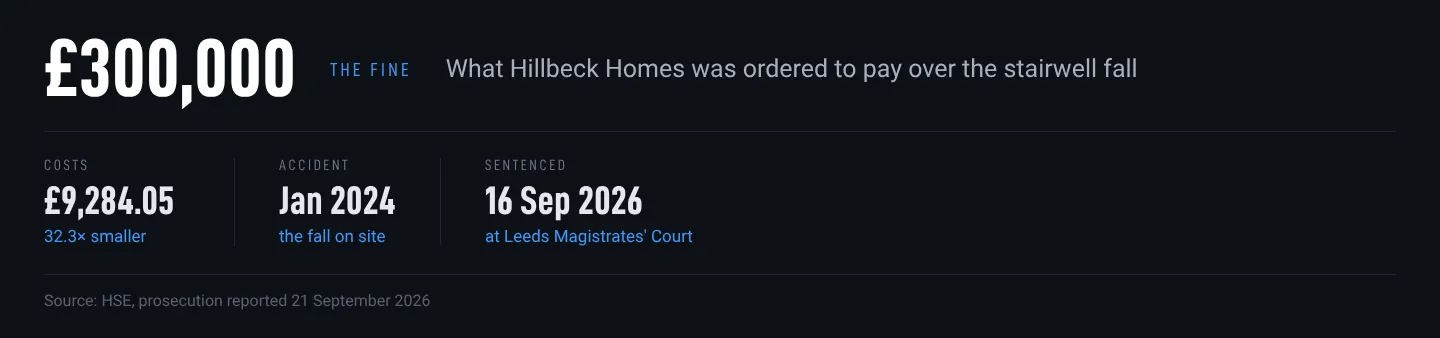
Hillbeck Homes (Sowerby Bridge) Ltd has now received a £300,000 work at height fine. The Health and Safety Executive (HSE) reported the conviction on 21 September 2026, and Leeds Magistrates’ Court imposed the fine on 16 September 2026, ordering the business to pay £9,284.05 in costs. Tuck was never Hillbeck’s employee, yet preventing his fall was still part of running the business that controlled the site.
The conviction follows other recent six-figure HSE prosecutions where planning and supervision fell short, from a lifting operations planning fine to a steam pipe isolation case.
Tuck was working as a temporary labourer for a scaffolding company. HSE’s guidance says the Work at Height Regulations 2005 apply to employers and anyone who controls that work, including contractors. The duty has been in force since 2005 and is not a new rule; it follows whoever controls the job rather than whoever pays the wages.
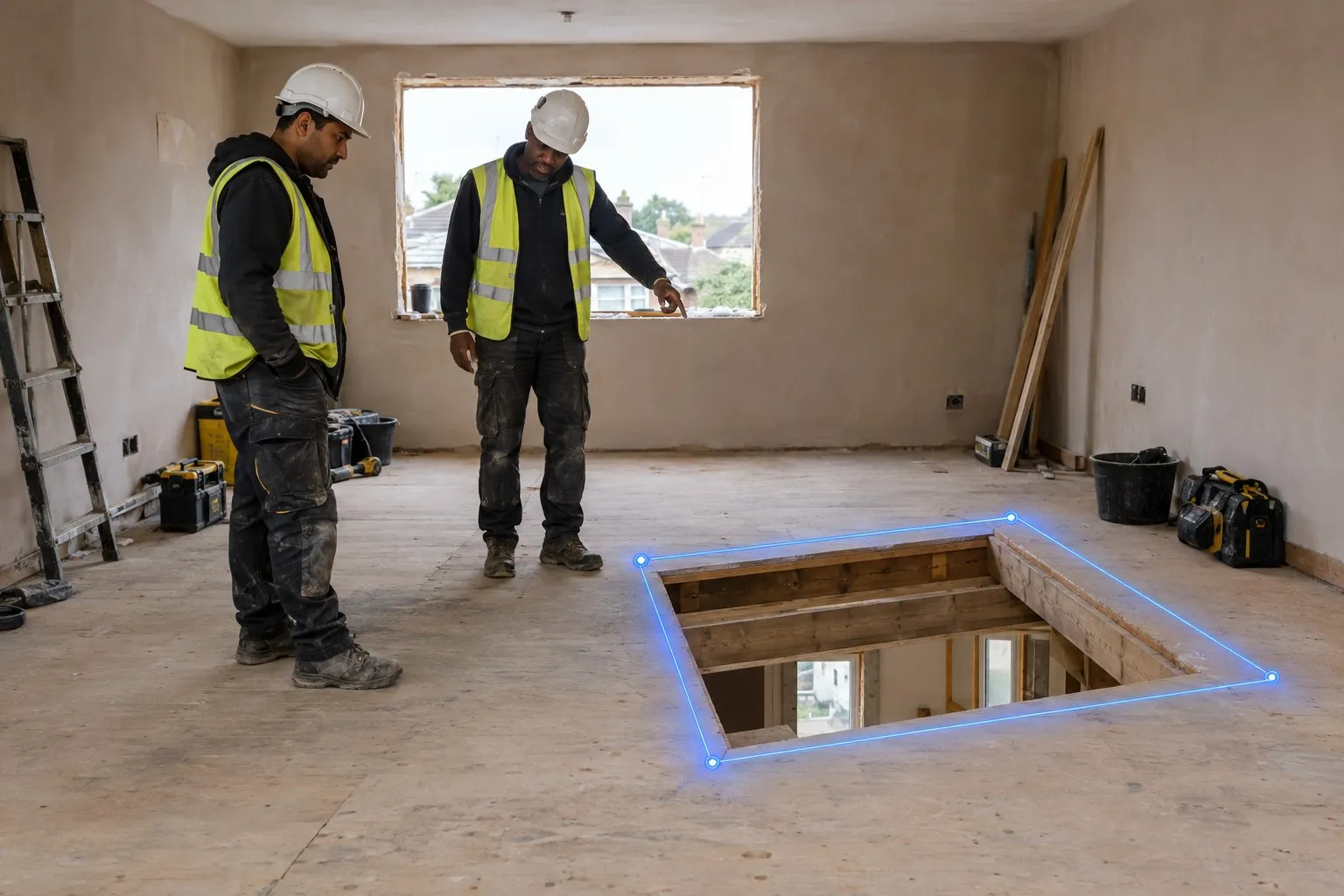
The accident happened in January 2024 on a development of four new homes being built by Hillbeck. Loose scaffold boards that had covered the opening were removed. There was no secure cover, and the open edges were left unprotected.
Tuck’s injuries kept him from working for months. He had not returned to a physical job when HSE published its account.
The work at height fine followed failures in planning and supervision
Hillbeck was found guilty on three charges. HSE found that the business had failed to plan the work properly and to supervise it appropriately, and that it had failed to take suitable and sufficient measures to prevent a fall.
HSE’s guidance requires work at height to be planned and supervised, and carried out by competent people with the right equipment. It gives priority to collective protection over measures that protect only the individual. Where an opening cannot be avoided, that means a secure cover or edge protection before anyone works alongside it.
A secure cover or edge protection is what a court expects
On this job the opening had once been boarded over, the boards came off, and nothing replaced them. HSE inspector Louise Redgrove set out the measures that would have prevented Tuck’s fall:
“This was a wholly avoidable incident caused by basic failures in planning and supervision. The stairwell opening was not adequately protected, and simple measures such as securing the scaffold boards or installing edge protection would have prevented Mr Tuck from falling and sustaining serious spinal injuries.”

Trade resources for tradespeople, straight to your inbox.
Occasionally we will send you a newsletter. Free, unsubscribe in one click.
Keep reading
BS 7671 Amendment 4 is now the only current version: live jobs depend on the contract, ECN reports
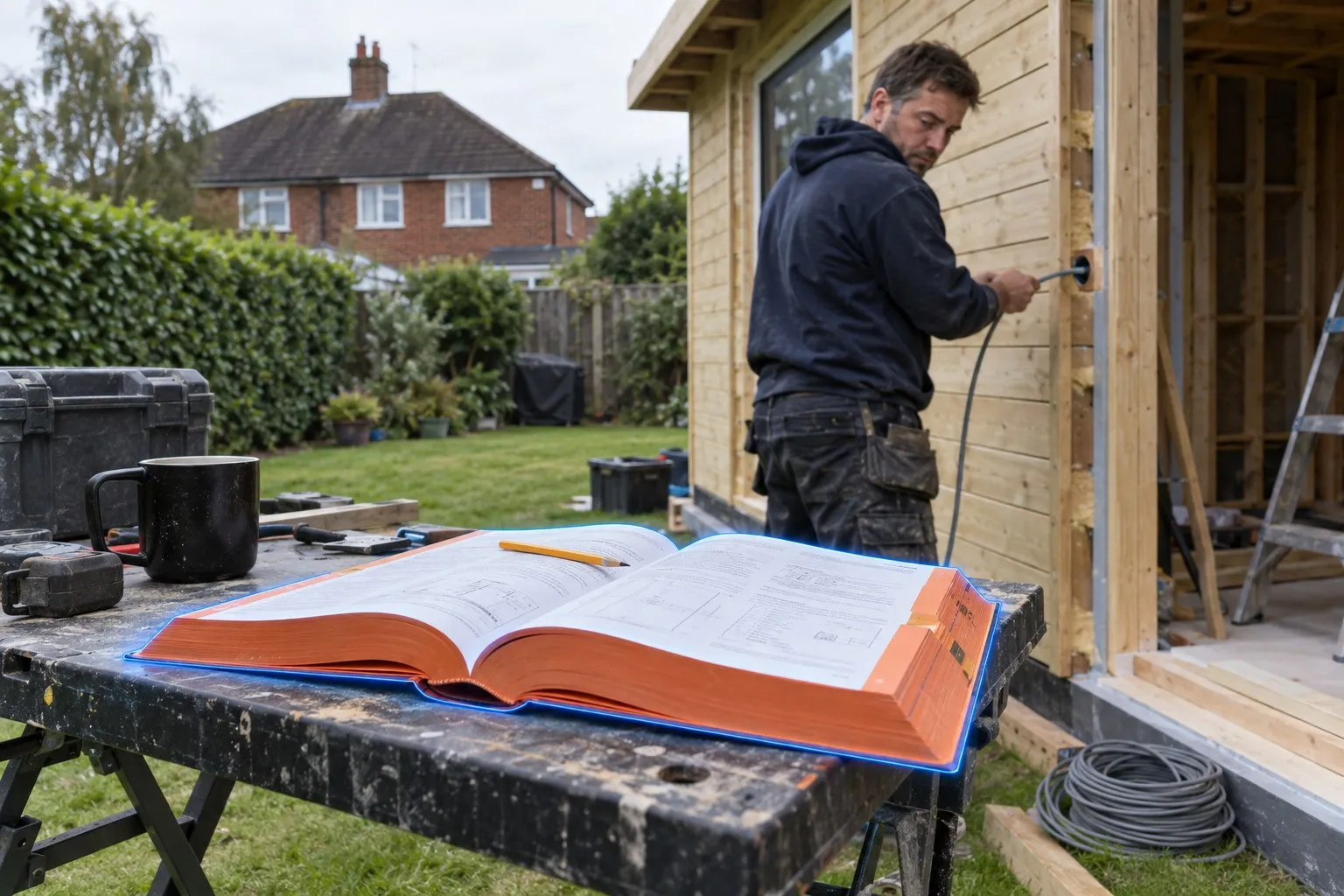
From 15 October, new installations must follow BS 7671 Amendment 4, Electrical Contracting News reports. Citing SELECT, it says a job designed to the old version may be finished to it if the contract allows. Of the forms, the EICR changes most.

Cladding remediation bill reaches Parliament: contractors who paid could chase the manufacturer
A bill introduced on 14 October would make freeholders and others responsible for building safety fix unsafe cladding without delay, with fines of up to £500,000 for ignoring a Remediation Order. Contractors who have already paid for the work would get a simpler claim against the manufacturer.
Awaab's Law private renters: consultation opens, no start date for repair deadlines
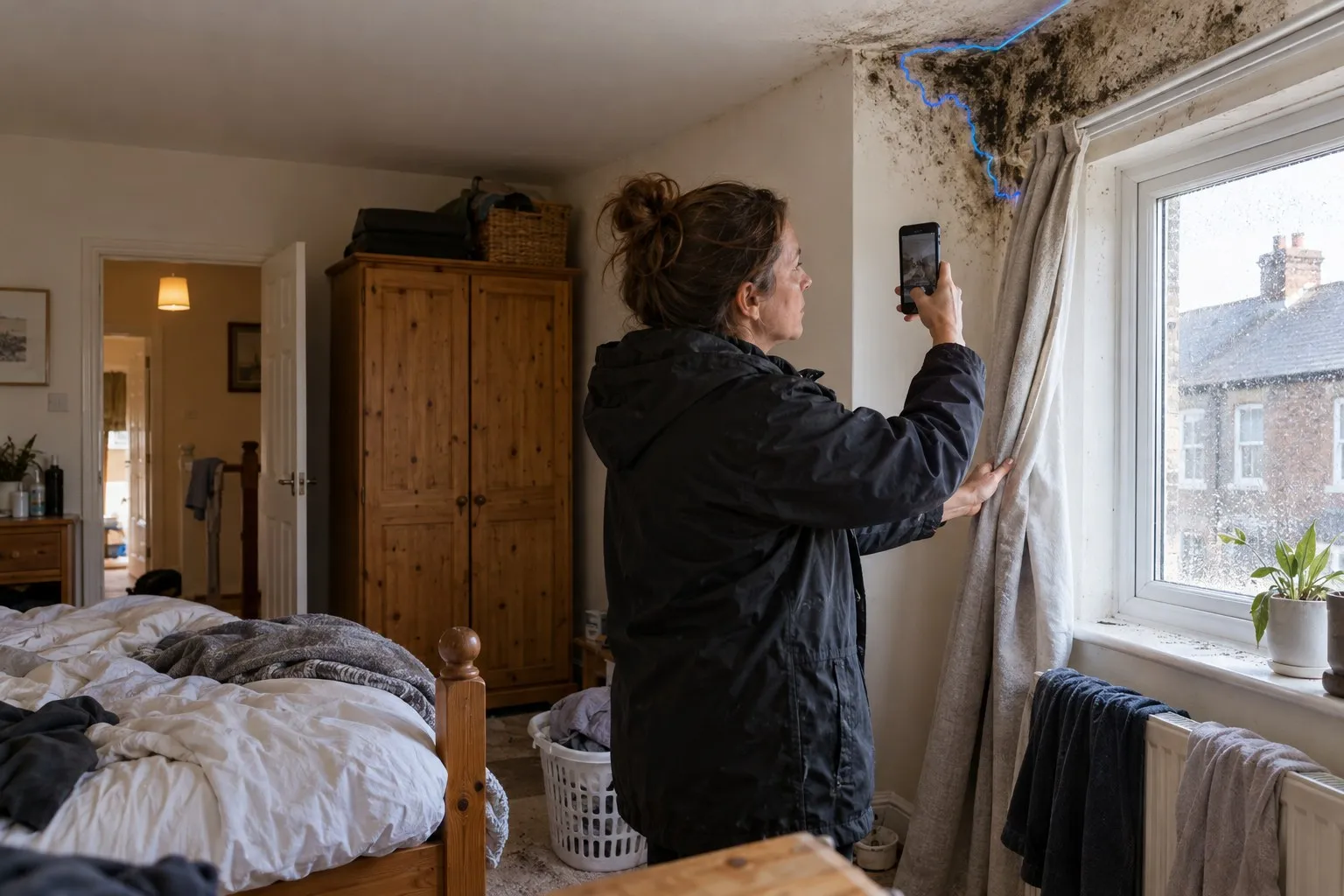
MHCLG wants private landlords in England held to legal deadlines for damp and mould repairs. How long they would get, and from when, is still to be decided. The consultation closes on 18 December 2026.