Boiler Upgrade Scheme: The April 2026 Overhaul That Changes Everything for Heating Engineers
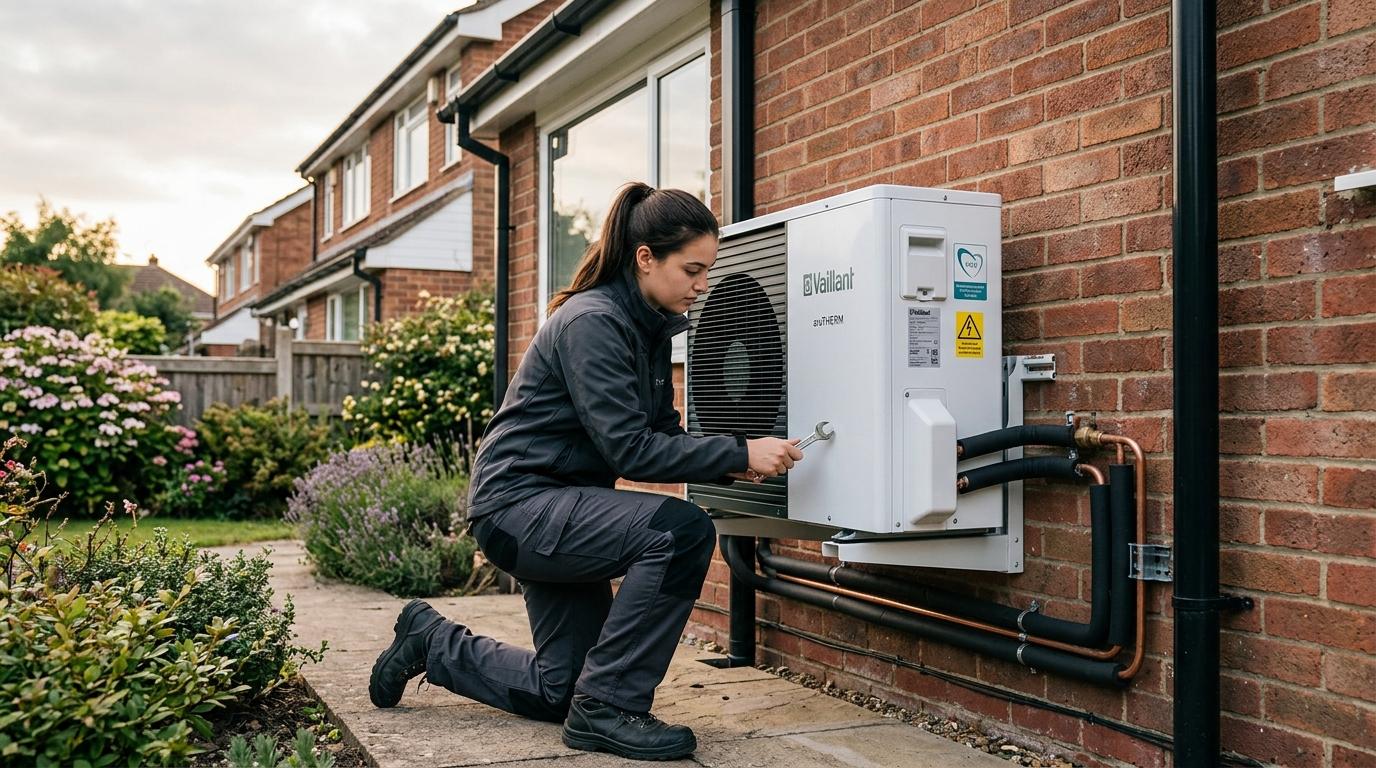
On 28 April 2026 the UK government scrapped the EPC requirement, extended the scheme to 2030, and made air-to-air heat pumps eligible at £2,500. Here is what every heating engineer needs to know.
Table of Contents
Jump to section
On 28 April 2026 the Boiler Upgrade Scheme (England and Wales) (Amendment) Regulations 2026 came into force, and they quietly removed one of the biggest blockers that had been holding back UK heat pump uptake for the past three years.
Four substantive changes:
- The EPC requirement is removed. Previously a property had to have a valid Energy Performance Certificate with no outstanding loft or cavity wall insulation recommendations. That has now gone.
- The scheme is extended to 2030. It was due to wind down. Now it runs to the end of the decade, giving installers and homeowners a stable funding horizon.
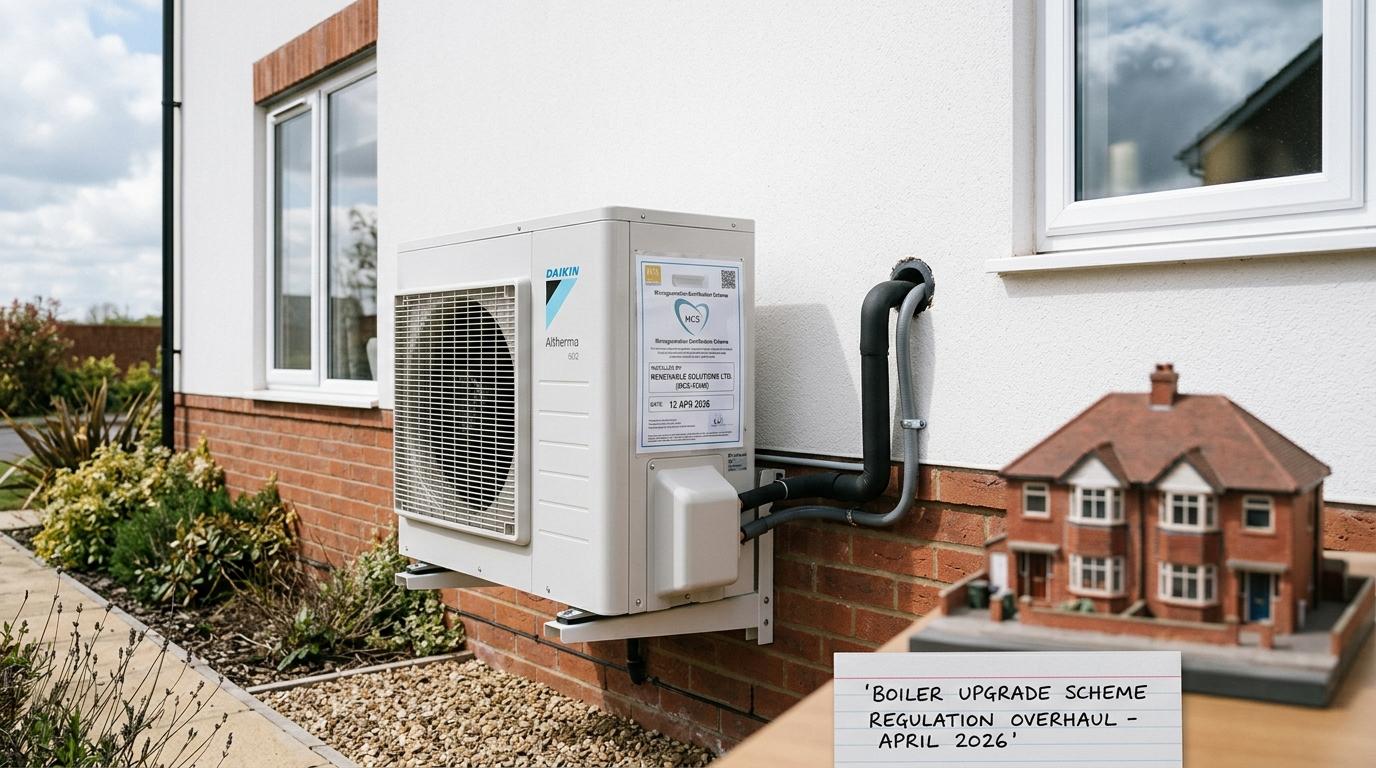
- Air-to-air heat pumps are now eligible at £2,500. Previously only air-to-water and ground source pumps qualified. Air-to-air (effectively reversible AC) is now in the scheme, opening up a much cheaper and faster install for properties without wet central heating.
- The installer definition is formally tied to MCS certification. No surprise, but it locks in the requirement and clarifies the eligibility chain.
Why each change matters
EPC requirement removed
This is the biggest practical shift, especially for landlords. Properties that previously failed the EPC eligibility test (typically because of older insulation or because they had not been re-assessed recently) are now in scope. According to industry analysis, a meaningful proportion of UK rental stock was excluded under the old rules. Those properties are now back in the funding pool.
For heating engineers, this means a larger addressable market without the friction of "we need to wait three weeks for an EPC assessment before I can quote you."
Extension to 2030
The previous wind-down date created a planning headache for training providers and for engineers deciding whether to invest in heat pump certification. A four-year horizon makes the maths much easier: a heat pump installer who certifies in 2026 has at least four years of subsidised demand to recover the training cost.
Air-to-air at £2,500
This is the surprise inclusion. Air-to-air heat pumps are dramatically cheaper to install than air-to-water (often £3-5k installed vs £10-15k for a full wet system), and they suit properties without traditional radiator-fed central heating: flats, smaller homes, retrofits where ripping up floors for new pipework is impractical.
The £2,500 grant essentially makes a basic air-to-air install free for many homeowners. Expect a step change in uptake among renters' landlords and smaller property portfolios.
MCS tie-in
This is the housekeeping change but it formalises something the industry already understood. To install under the scheme you must be MCS certified, and your installation must follow MCS standards. For engineers without certification, this is a clear "get certified now" signal. For those already certified, it is business as usual with a slightly tightened rule book.
What this means for the workforce
The big-picture implication: demand for heat pump installations is about to step up materially, while the UK's pool of qualified installers remains thin. The newly launched Low-Carbon Heating Technician apprenticeship helps over the medium term, but it is a 36-month programme. For the next two years, the bottleneck is the existing pool of gas and renewables engineers re-skilling onto heat pumps.
Three practical moves for heating businesses in 2026:
- Get every engineer in your team MCS-certified for heat pumps. The Heat Training Grant covers up to £500 of the cost.
- Build air-to-air capability. It is a different install discipline (refrigerant pipework, electrical sign-off, no wet system commissioning) but the addressable market is huge.
- Update your quoting process to account for the EPC removal. You can now quote on the spot for properties that would have needed an EPC re-assessment under the old rules.
The bottom line
This is the most significant single regulatory change in the UK heating market since the introduction of the Boiler Upgrade Scheme itself. The EPC removal alone unlocks a meaningful slice of rental stock. The air-to-air inclusion opens up flats and smaller properties that were previously uneconomic. The 2030 extension finally gives the industry a stable funding horizon to invest behind.
For heating engineers, the message is simple: the work is coming. The question is whether your team is ready to do it.