UK's First Dedicated Heat Pump Apprenticeship Launches: The Low-Carbon Heating Technician
A 36-month Level 3 apprenticeship dedicated to heat pump and low-carbon heating installation, with a £22,000 funding band per apprentice. The first proper structured route into the renewables workforce.
Table of Contents
Jump to section
For years, the UK has been trying to grow a heat pump installer workforce by retrofitting existing gas engineers with short, mostly weekend-long, top-up courses. It worked in pockets, but it never built the structured pipeline of new entrants the renewables sector actually needs.
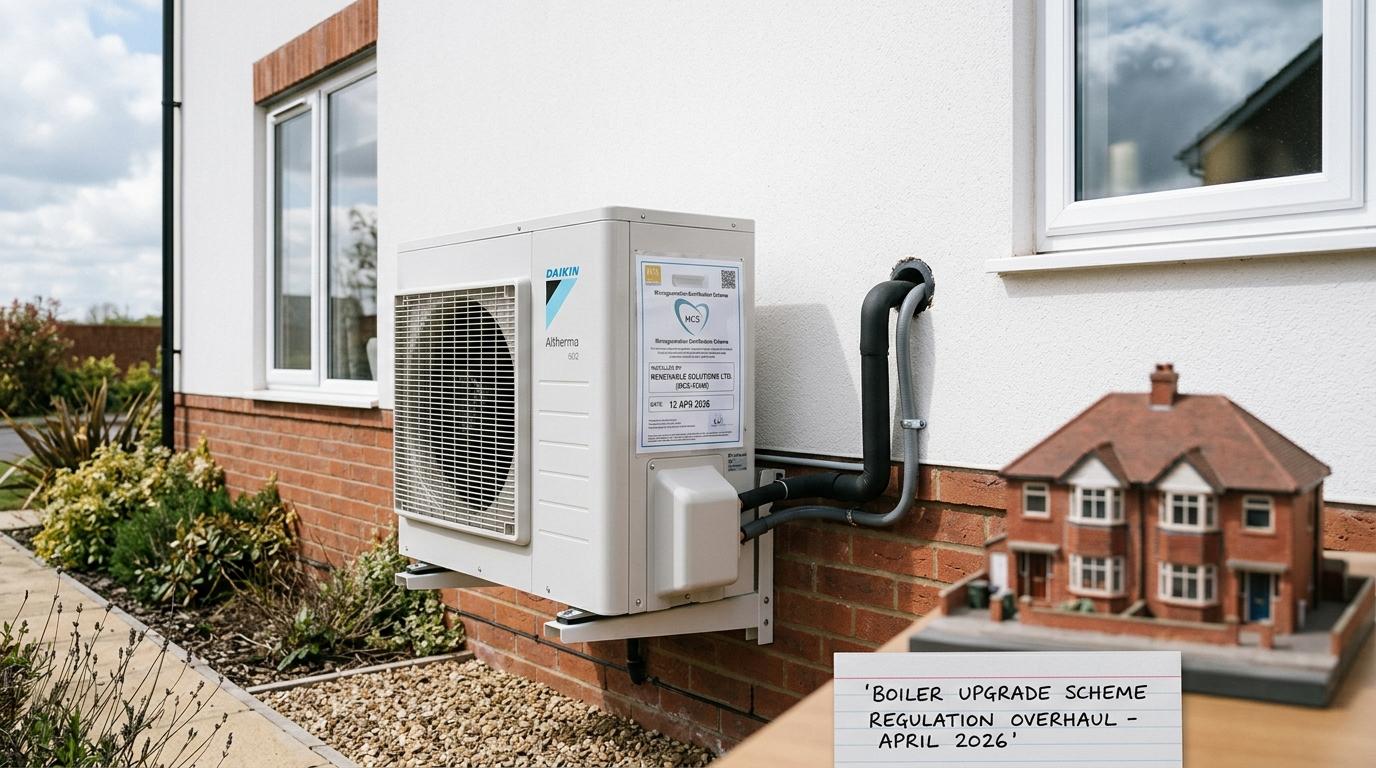
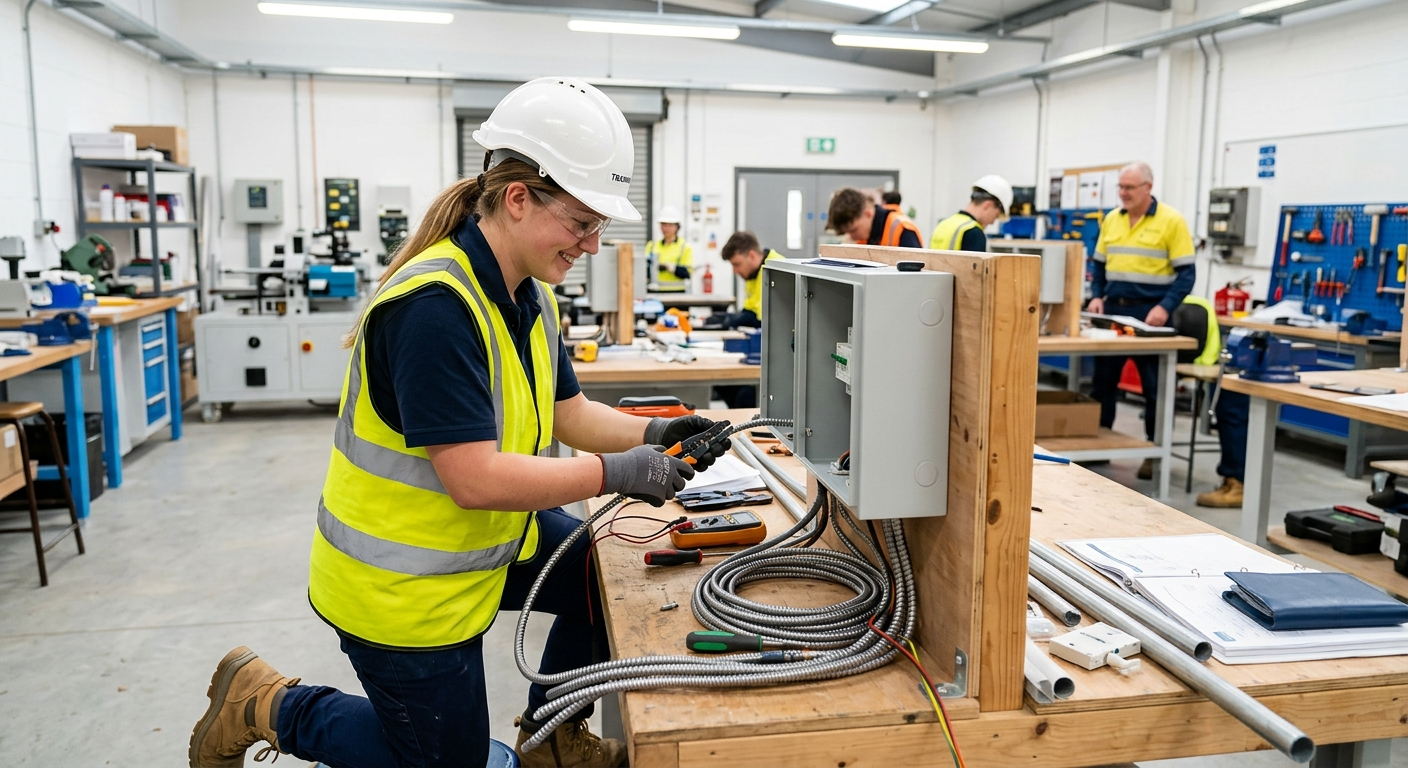
That changed this spring with the formal launch of the Low-Carbon Heating Technician apprenticeship: a 36-month Level 3 route, funded at £22,000 per apprentice (a higher band than the equivalent gas heating apprenticeship), and designed from the ground up for low-carbon technology.
Why this is structurally different
Previous training routes for heat pump installation assumed the candidate was already a qualified plumber or gas engineer. Short courses topped them up. The result: an installer base that is older, smaller, and disproportionately concentrated in the South East.
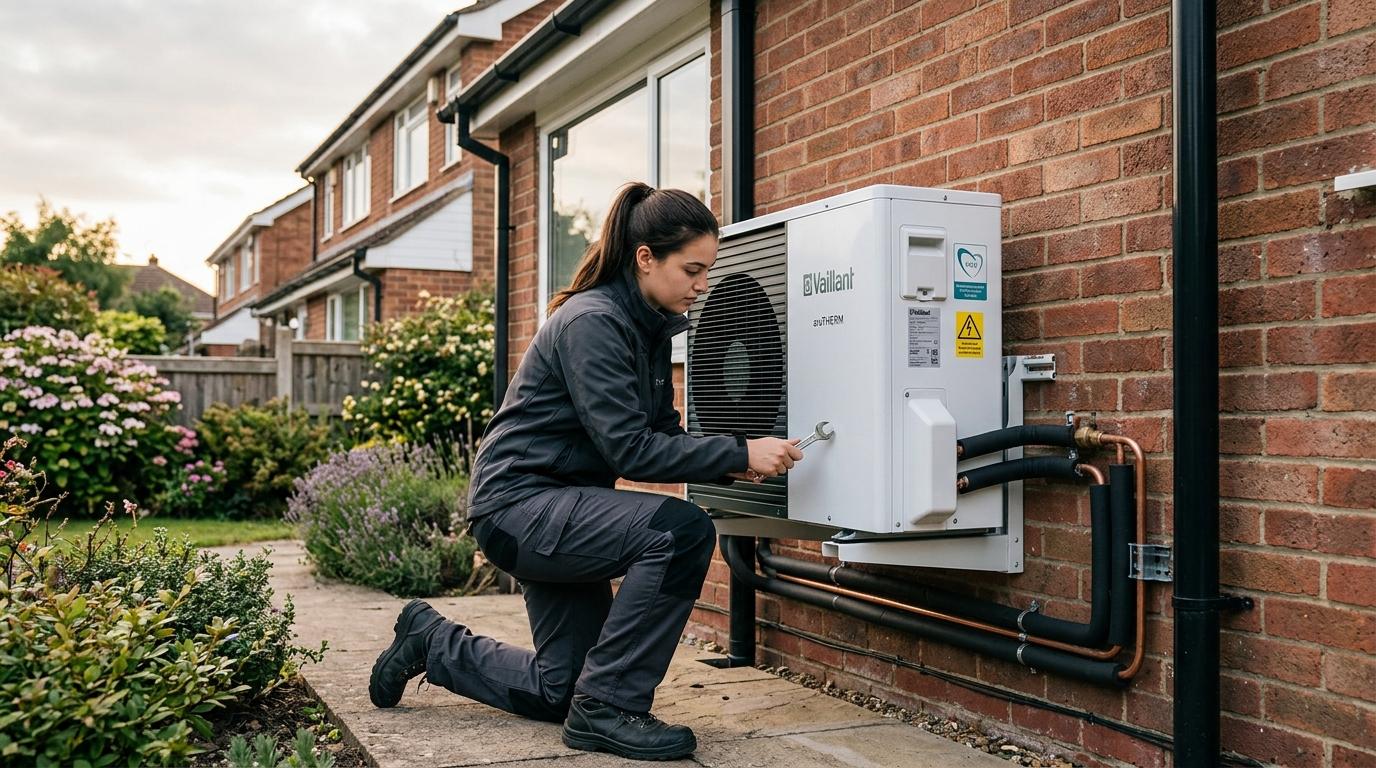
The Low-Carbon Heating Technician apprenticeship instead provides an end-to-end pathway from school leaver to qualified heat pump installer, technician or engineer, with other renewable heating systems (ground source, hybrid, hot water cylinders sized for heat pumps) included in scope. The candidate spends three years across employer site work and college-based learning, ending with a competence-based assessment.
For training providers and employers, the £22,000 funding band is the headline. It is materially higher than the funding for a traditional gas engineering apprenticeship, which reflects two things: the equipment cost (heat pumps and refrigerant kit are expensive to teach on) and the political priority the government is putting on growing this workforce.
How it fits the wider funding landscape
This launch sits alongside the Heat Training Grant, which gives existing heating engineers up to £500 towards the cost of heat pump conversion training. The grant was recently extended to March 2026 and is administered by Ofgem on behalf of the government.
Together, these two programmes tackle the workforce problem from both ends:
- Existing engineers: short top-up training subsidised by the £500 Heat Training Grant
- New entrants: full apprenticeship route subsidised at £22,000 per learner
What is still missing is significant: an in-service career pathway for engineers who want to specialise further (commissioning, design, large-scale commercial systems). But the foundational pipeline is now in place.
What it means for heating businesses
For heating contractors, this is an opportunity and a planning challenge.
The opportunity: a structured way to recruit and train at the bottom of the funnel. Up to now, heat pump installers were an expensive scarce resource bought from rivals. The apprenticeship lets you grow your own.
The planning challenge: 36 months is a long lead time. An apprentice signed up today (mid-2026) will not be a qualified Low-Carbon Heating Technician until mid-2029. The Boiler Upgrade Scheme demand spike is happening right now. So apprenticeships solve the medium-term workforce problem, not the immediate one.
That immediate-vs-medium-term split is exactly why we keep talking about AR training compressing time-to-competency. An apprentice on day one of their three-year programme can be productive on certain installation steps in weeks rather than months if they have on-glasses guidance walking them through it. The apprenticeship sets the qualification pathway. AR sets the delivery speed.
The bigger picture
Two things to watch over the next 18 months:
- Provider take-up - which colleges and private training providers actually run the programme at scale. Cardiff and Vale College has already announced delivery; expect more announcements as the funding band proves out.
- Employer recruitment - whether the trade actually steps up to host apprentices. The structural fix only works if employers create the placements. If they do not, the apprenticeship sits underused.
For TrainAR, this is one of the most important workforce developments of the year. It is also the reason the Renewables industry page is one of the busiest on this site.
The bottom line
The UK finally has a dedicated, properly funded apprenticeship route for heat pump and low-carbon heating installation. It will not solve the immediate installer shortage (those engineers will graduate in 2029), but it gives the industry a credible long-term pipeline for the first time.
If you run a heating business, now is the time to plan how you will host apprentices, how you will use AR-assisted training to compress the on-tools learning curve, and how you will retain those apprentices once they qualify. The competition for graduates of this programme will be intense.