
Falling window fine: £1.3 million after death that followed an earlier warning
This was the second window to fall from the Corniche penthouses. HSE found the earlier warning had been written down but never acted on, and told Principal Designers to spell out exactly what their specialists do and then check they do it.

A window had already fallen at Corniche before another fell and killed Mick Ferris. The Health and Safety Executive (HSE) found that key concerns from the earlier incident had been written down but never acted on.
If you fit or maintain windows, or you take on the Principal Designer role, a warning that a window could come loose needs one named person responsible for getting it fixed. Chasing that work through is part of running the business safely.
On 24 September 2026, HSE said Inner London Crown Court had imposed the falling window fine: St James Limited was fined £1 million and Lindner Prater Limited £300,000. Each company was also ordered to pay £125,000 in costs. The combined £1.3 million in fines excludes those costs.
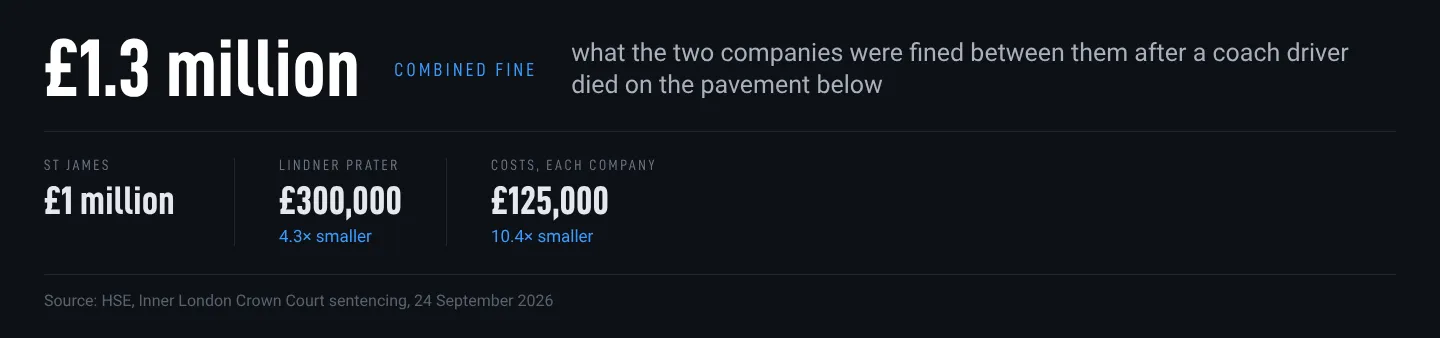
Both companies were found guilty of breaching section 3(1) of the Health and Safety at Work etc. Act 1974 following a five-week trial. That is existing law, not a new rule.
The falling window fine followed an earlier warning
St James, part of Berkeley Group, was the developer at Corniche near Vauxhall Bridge in London, and also held the Principal Contractor and Principal Designer roles. It engaged Lindner Prater to design the penthouse windows.
Ferris, a coach driver on his break, was returning to his coach on 2 October 2018 when a 130kg window fell 300 feet from the 26th floor and killed him.
HSE found that an early design change switched the windows from opening inwards to opening outwards. A detached window could then fall onto a pedestrian area. The windows were never properly risk assessed.
Their safety depended on a single restrictor held by a single screw. No manufacturer had confirmed the fittings were suitable for the bespoke curved windows.

In August 2017, an open window had fallen from the same penthouses during construction in windy conditions, nearly hitting two workers. St James led an internal review, but records obtained by HSE showed the concerns it flagged were then left to sit.
Only after Ferris’s death were the windows redesigned to open inwards. HSE said the change removed the risk to pedestrians below if a window was left open.
Your specialists’ work still needs oversight
It is the same question behind the lifting operations planning case, where a business took over unloading, and the work at height prosecution, where the business controlling the site failed to put physical precautions in place: who is in charge of the work, and how do they know the safety steps are actually happening?
For window design, HSE lead inspector Andrew Verrall-Withers aimed his message at Principal Designers. He told them to pin down exactly what their architects, designers and consultants are paid to do, then to check they do it, so a warning like this one gets acted on. The trench collapse prosecution that jailed a director after a house-extension death shows how personally that duty can land.
Verrall-Withers said wind speeds were not unusually high either time. Too much, he found, was pinned on a small sign at the windows and on residents remembering to close them. Two workers had already nearly been hit in 2017; the man on the pavement was left relying on the same small sign and a memory.

Trade resources for tradespeople, straight to your inbox.
Occasionally we will send you a newsletter. Free, unsubscribe in one click.
Keep reading
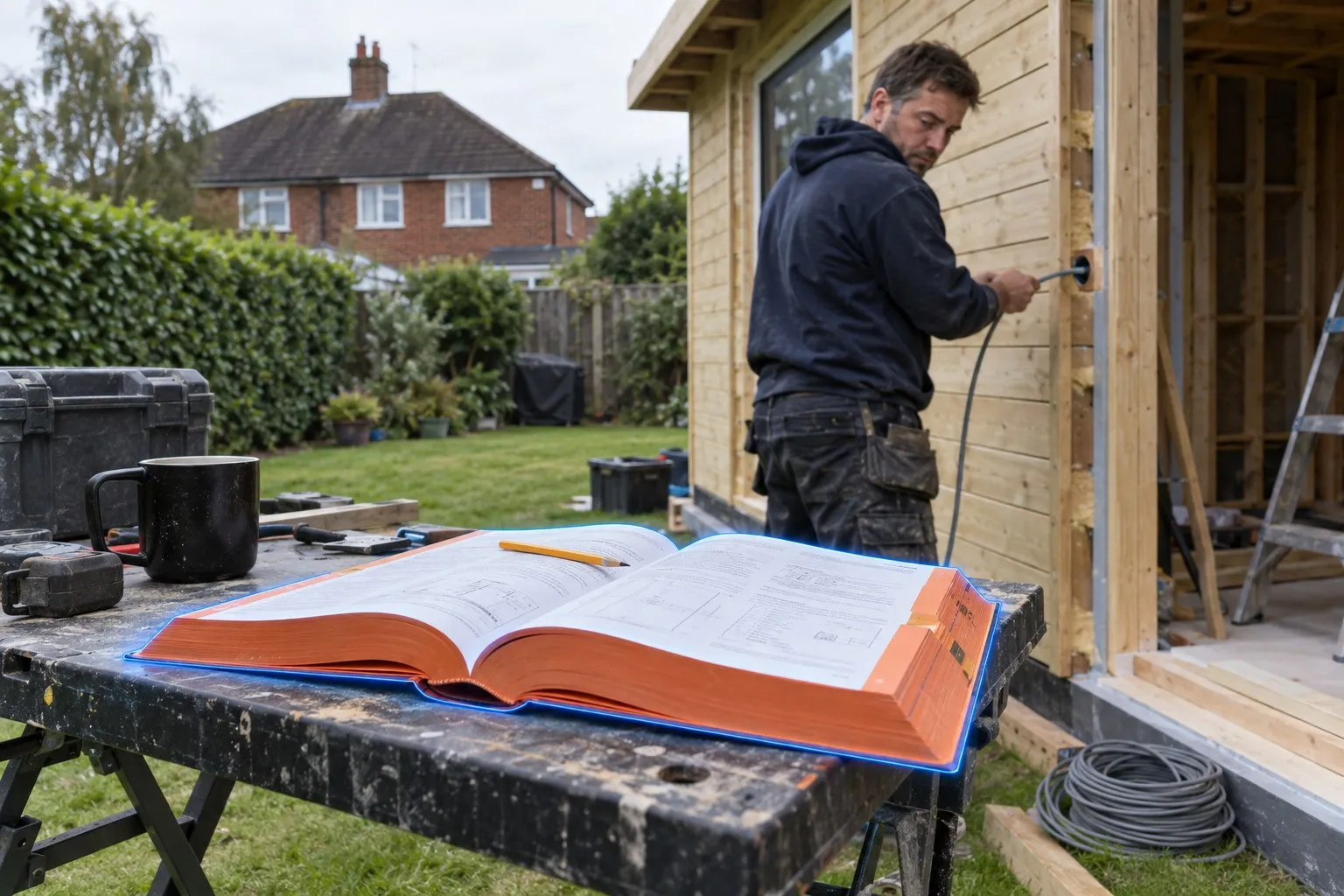
BS 7671 Amendment 4 is now the only current version: live jobs depend on the contract, ECN reports
From 15 October, new installations must follow BS 7671 Amendment 4, Electrical Contracting News reports. Citing SELECT, it says a job designed to the old version may be finished to it if the contract allows. Of the forms, the EICR changes most.
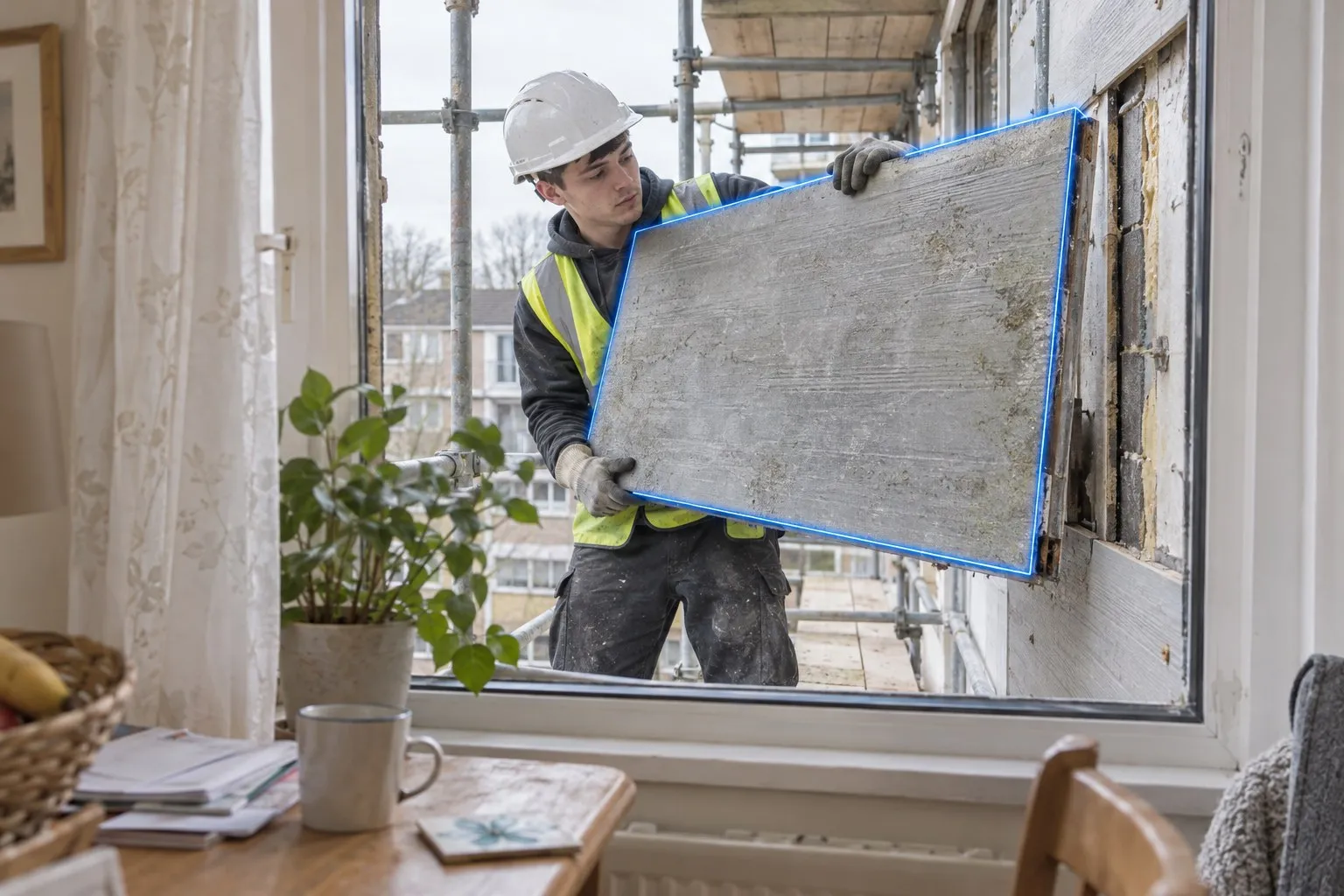
Cladding remediation bill reaches Parliament: contractors who paid could chase the manufacturer
A bill introduced on 14 October would make freeholders and others responsible for building safety fix unsafe cladding without delay, with fines of up to £500,000 for ignoring a Remediation Order. Contractors who have already paid for the work would get a simpler claim against the manufacturer.
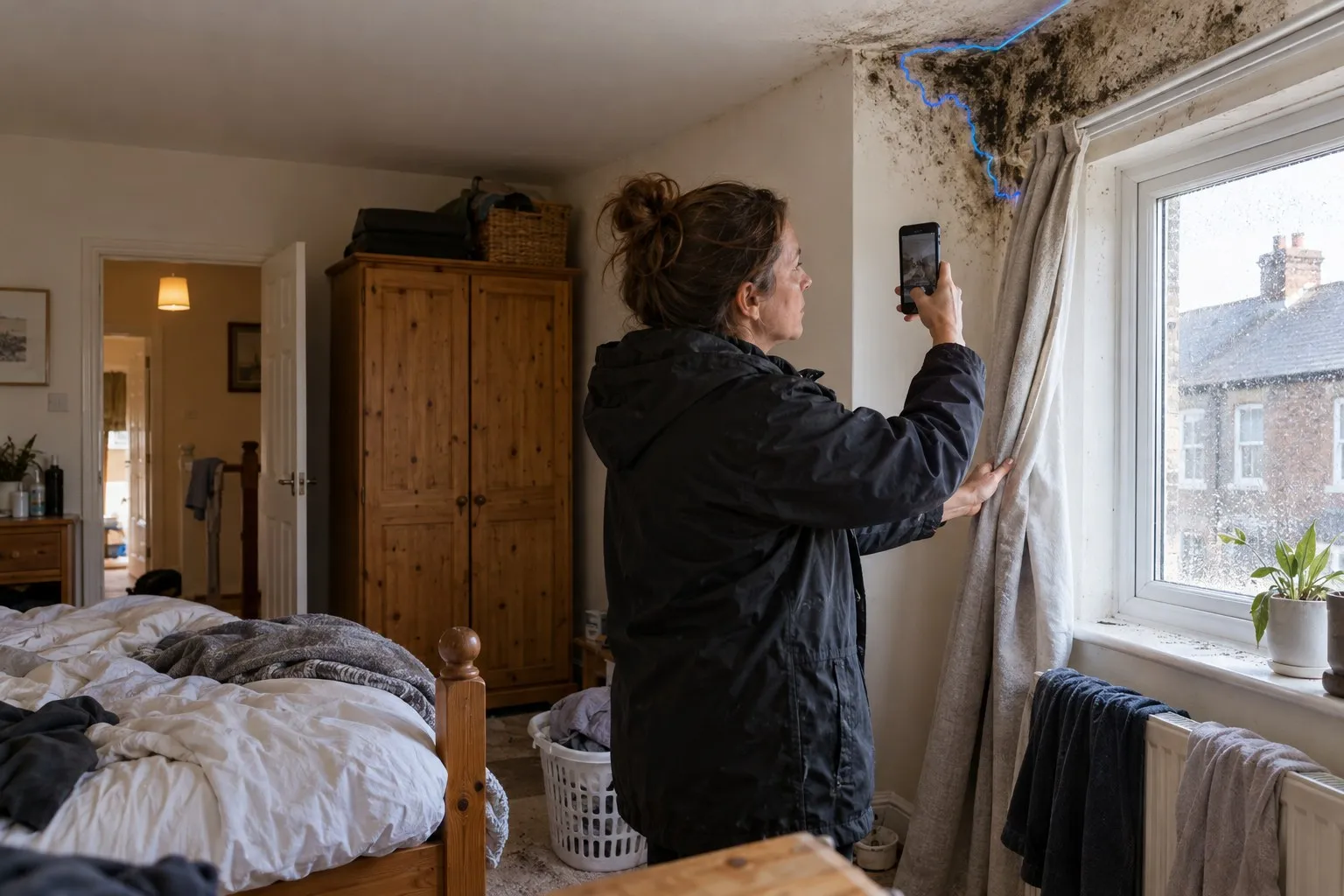
Awaab's Law private renters: consultation opens, no start date for repair deadlines
MHCLG wants private landlords in England held to legal deadlines for damp and mould repairs. How long they would get, and from when, is still to be decided. The consultation closes on 18 December 2026.